Patent With Hepatopetal Flow In Oakland
Description

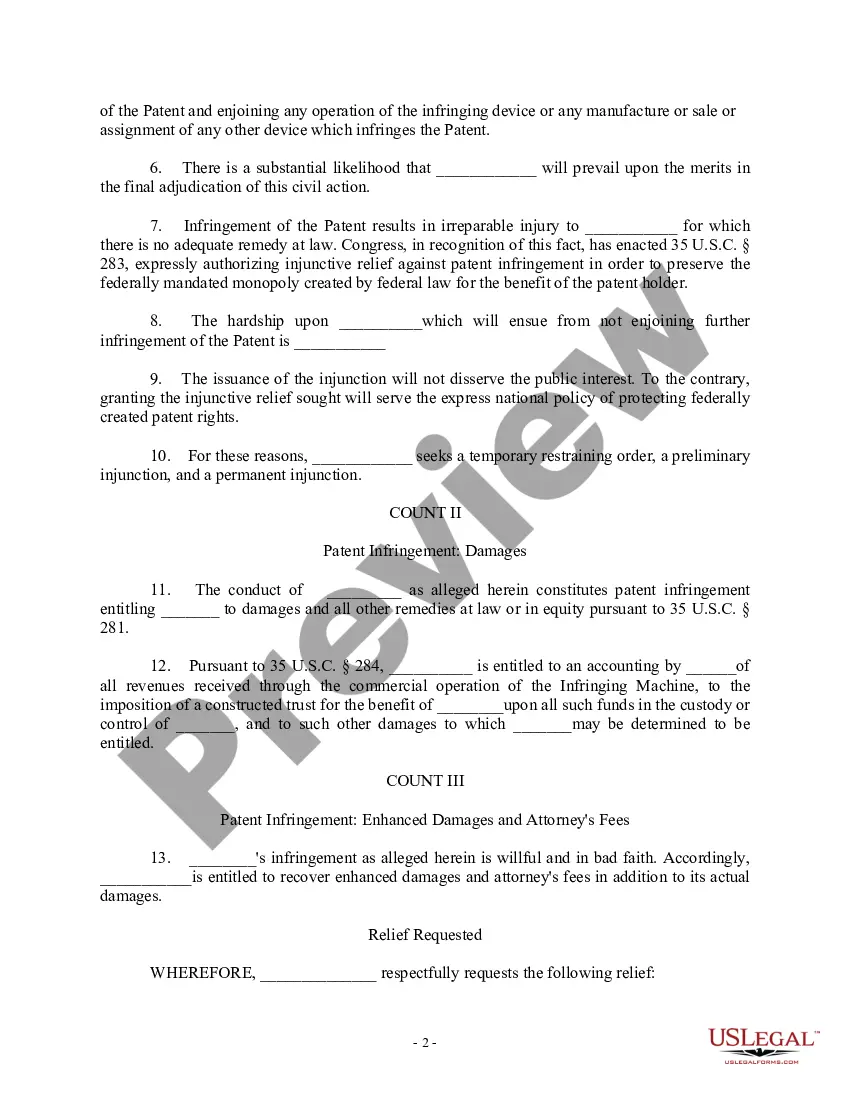
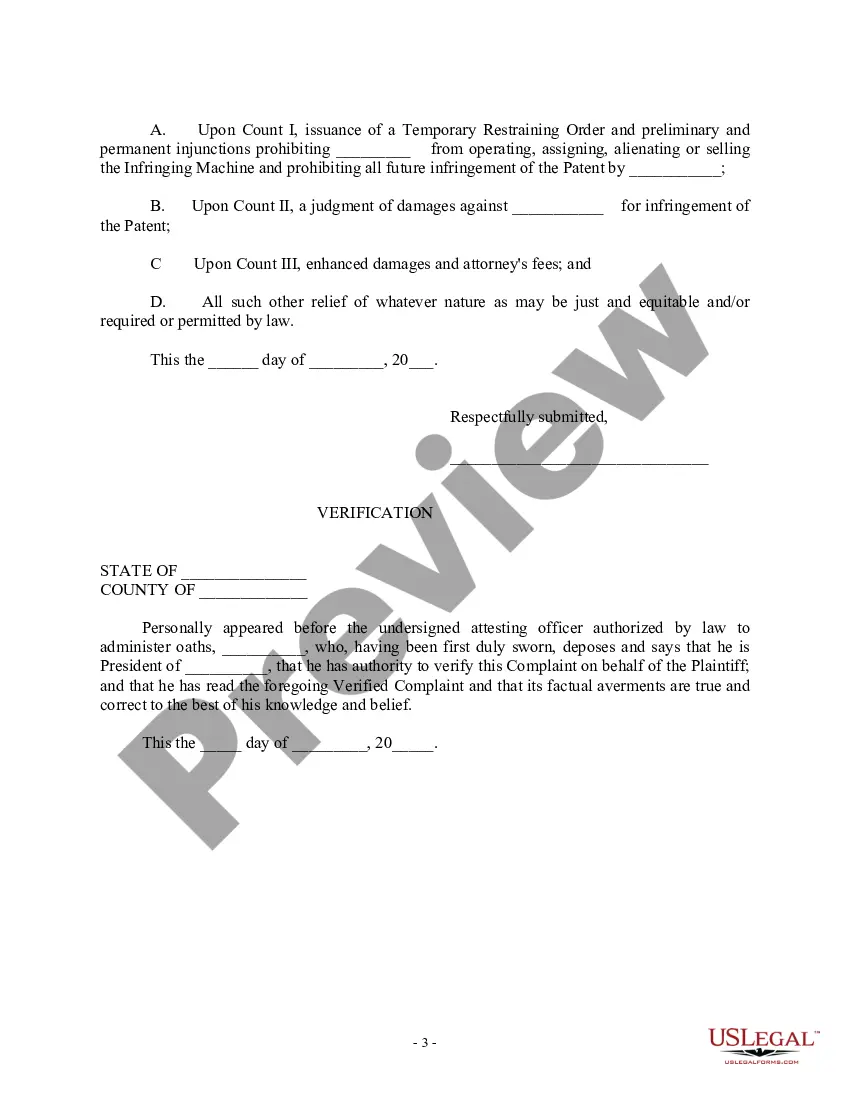
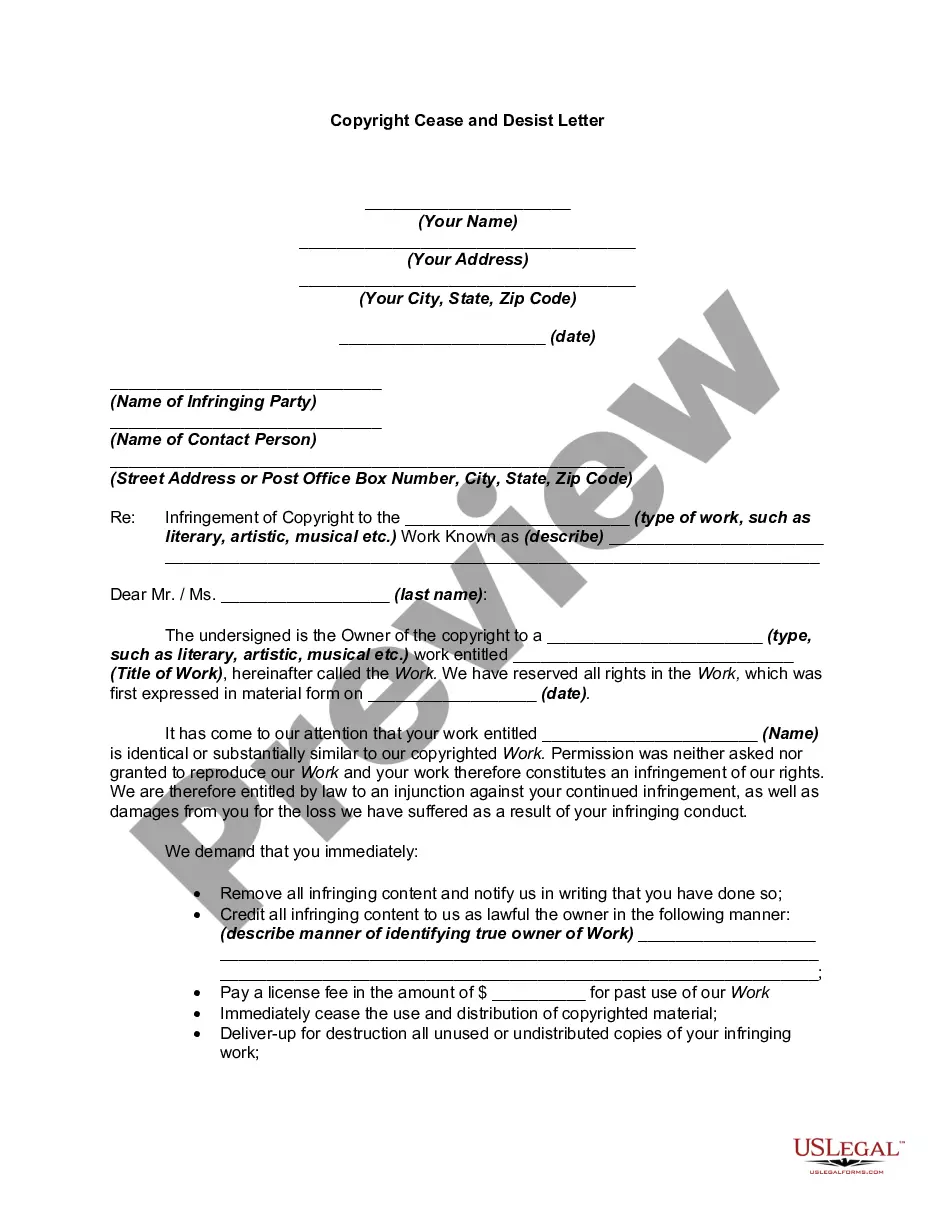
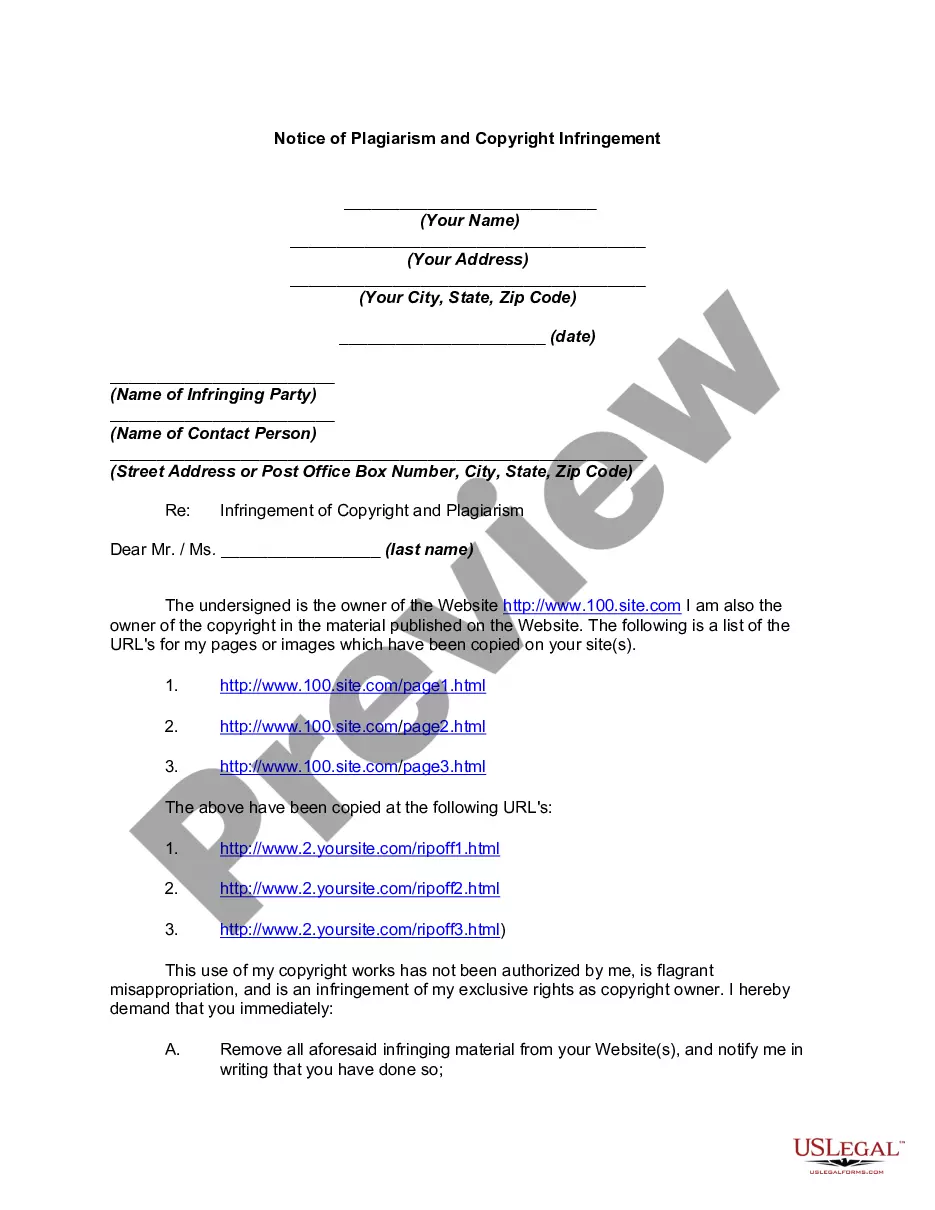
Get your form ready online
Our built-in tools help you complete, sign, share, and store your documents in one place.
Make edits, fill in missing information, and update formatting in US Legal Forms—just like you would in MS Word.
Download a copy, print it, send it by email, or mail it via USPS—whatever works best for your next step.
Sign and collect signatures with our SignNow integration. Send to multiple recipients, set reminders, and more. Go Premium to unlock E-Sign.
If this form requires notarization, complete it online through a secure video call—no need to meet a notary in person or wait for an appointment.
We protect your documents and personal data by following strict security and privacy standards.

Make edits, fill in missing information, and update formatting in US Legal Forms—just like you would in MS Word.

Download a copy, print it, send it by email, or mail it via USPS—whatever works best for your next step.

Sign and collect signatures with our SignNow integration. Send to multiple recipients, set reminders, and more. Go Premium to unlock E-Sign.

If this form requires notarization, complete it online through a secure video call—no need to meet a notary in person or wait for an appointment.

We protect your documents and personal data by following strict security and privacy standards.
Looking for another form?







Form popularity
FAQ
No, the use of an attorney or registered agent is not required for filing a patent application. However, an attorney or registered agent is often a useful resource and the USPTO recommends the use of such for preparing a patent application and conducting the proceedings in the USPTO.
U.S. Patent and Trademark Office (USPTO)
A poor man's patent is essentially writing out a description of your invention and then mailing that written description to yourself.
Legally speaking, nothing prevents an inventor from preparing a patent application (or provisional patent application) without a lawyer. Indeed, thousands of inventors regularly do so, using self-help guides such as Nolo's Patent It Yourself, Patent Pending in 24 Hours or Online Provisional Patent Application process.
Requirements for filing a provisional application: A detailed written description of the invention including drawings. Title of the invention. Name(s) of all inventors. Inventor(s) residence(s) Name and registration number of attorney or agent and docket number (if applicable) Correspondence address.
The five primary requirements for patentability are: (1) patentable subject matter; (2) utility; (3) novelty; (4) non-obviousness; and (5) enablement. Like trademarks, patents are territorial, meaning they are enforceable in a specific geographic area.
Hepatopetal denotes flow of blood towards the liver, which is the normal direction of blood flow through the portal vein. The term is typically used when discussing the portal vein or recanalized vein of the ligamentum teres in patients with suspected portal hypertension.
The five primary requirements for patentability are: (1) patentable subject matter; (2) utility; (3) novelty; (4) non-obviousness; and (5) enablement. Like trademarks, patents are territorial, meaning they are enforceable in a specific geographic area.
Veins are very compressible or “collapsible”. Throughout the Ultrasound procedure, the sonographer will be gently pushing against the limb to compress the vein in that segment. If the vein compresses, this confirms that the vein is open and patent.
Patent ductus arteriosus (PDA) is a condition in which the ductus arteriosus does not close. The word "patent" means open. The ductus arteriosus is a blood vessel that allows blood to go around the baby's lungs before birth.
