Patent Without Significant Stenosis In Middlesex
Description

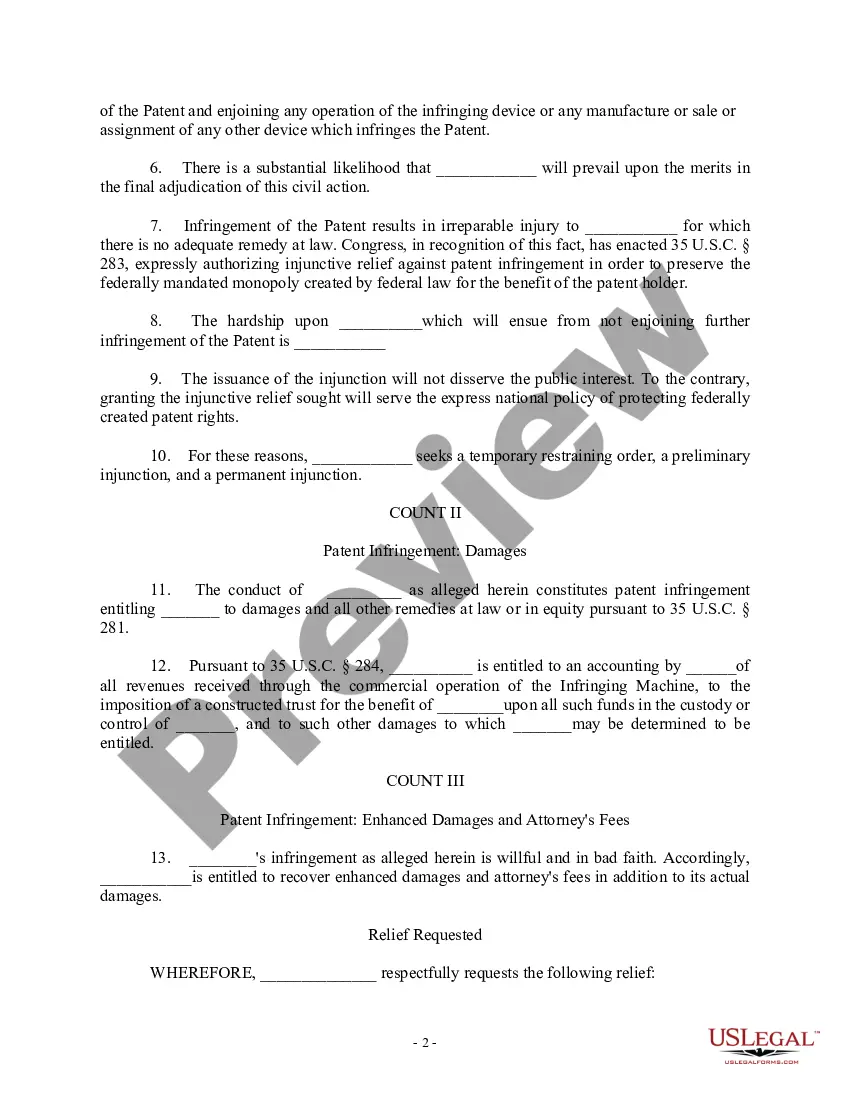
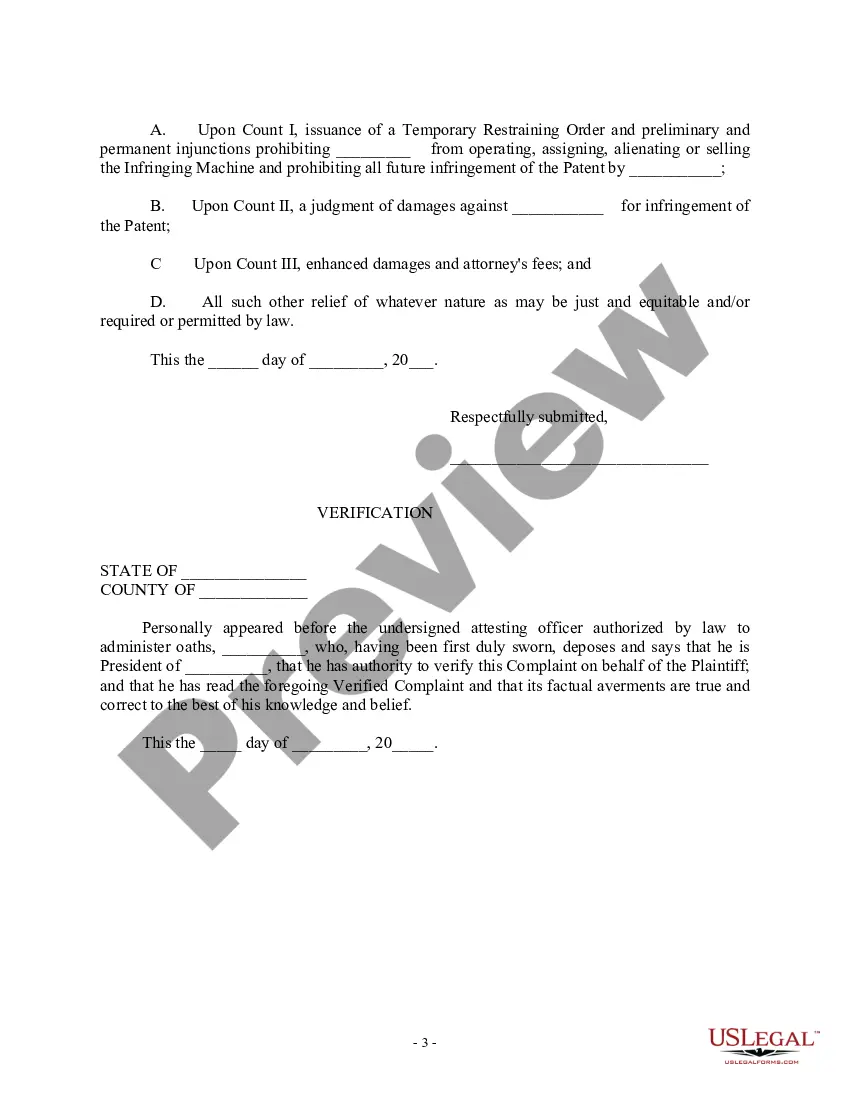
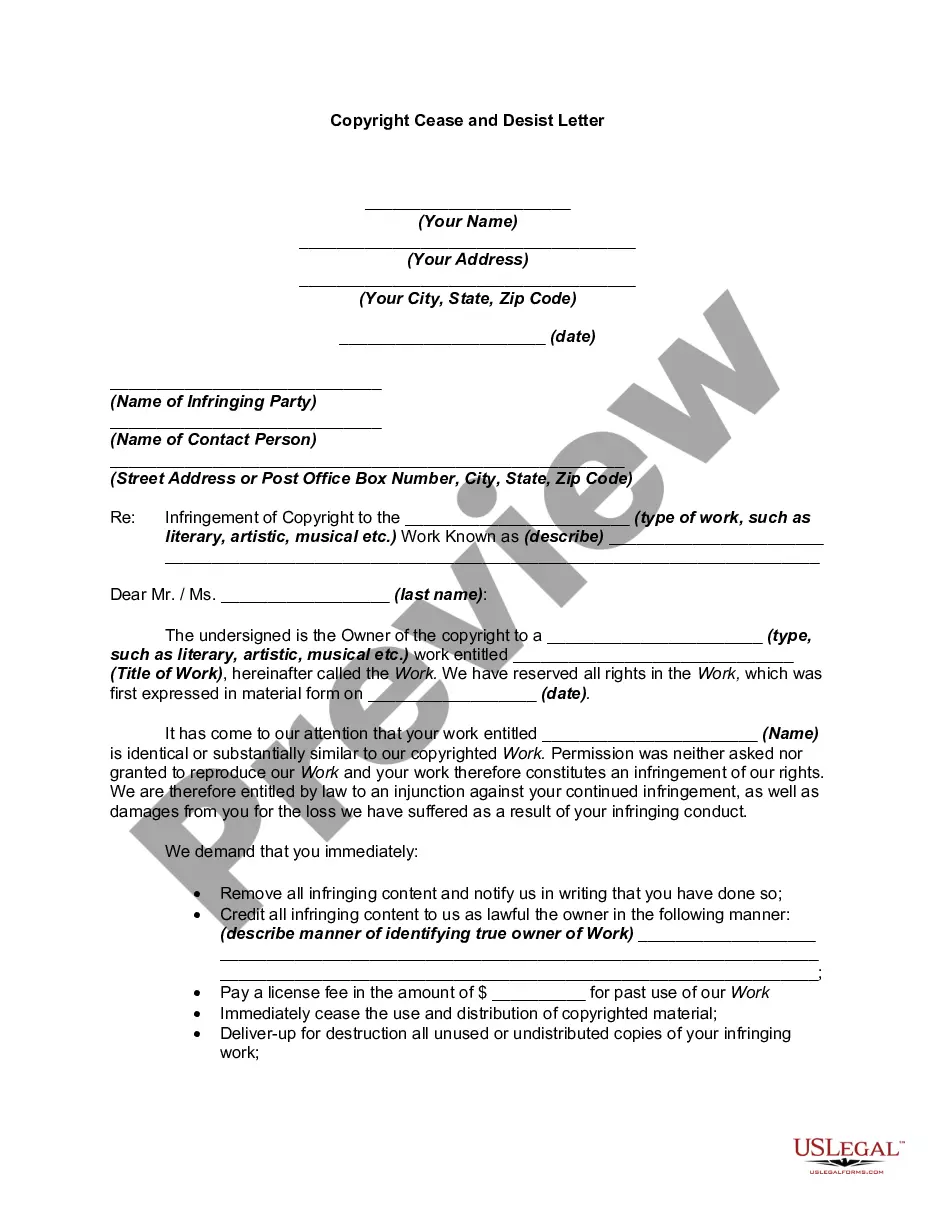
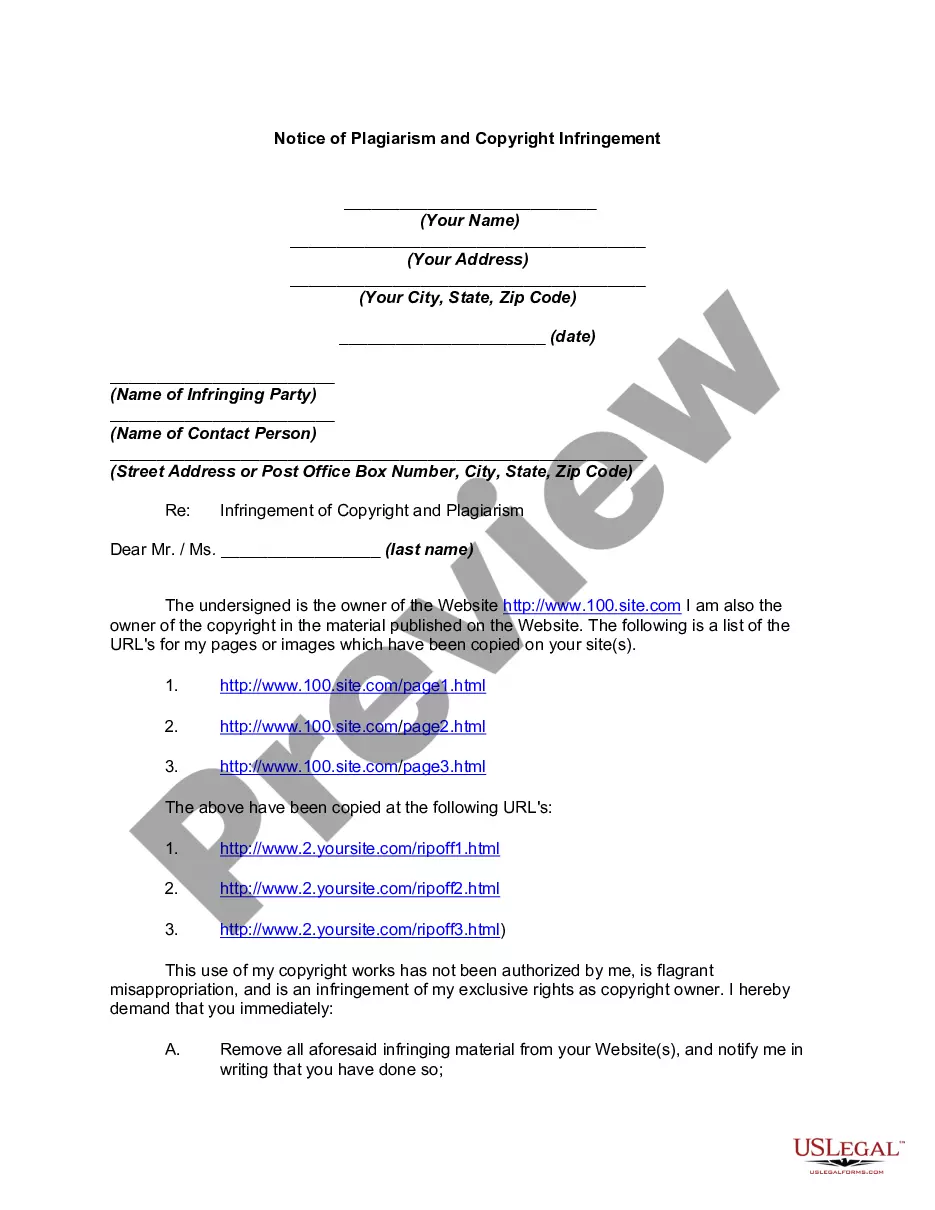
Get your form ready online
Our built-in tools help you complete, sign, share, and store your documents in one place.
Make edits, fill in missing information, and update formatting in US Legal Forms—just like you would in MS Word.
Download a copy, print it, send it by email, or mail it via USPS—whatever works best for your next step.
Sign and collect signatures with our SignNow integration. Send to multiple recipients, set reminders, and more. Go Premium to unlock E-Sign.
If this form requires notarization, complete it online through a secure video call—no need to meet a notary in person or wait for an appointment.
We protect your documents and personal data by following strict security and privacy standards.

Make edits, fill in missing information, and update formatting in US Legal Forms—just like you would in MS Word.

Download a copy, print it, send it by email, or mail it via USPS—whatever works best for your next step.

Sign and collect signatures with our SignNow integration. Send to multiple recipients, set reminders, and more. Go Premium to unlock E-Sign.

If this form requires notarization, complete it online through a secure video call—no need to meet a notary in person or wait for an appointment.

We protect your documents and personal data by following strict security and privacy standards.
Looking for another form?





Form popularity
FAQ
Patent law defines the limits of what can be patented. For example, the laws of nature, physical phenomena, and abstract ideas cannot be patented, nor can only an idea or suggestion.
Application really isn't the poor man's. Patent it's a placeholder. It gives you the priority dateMoreApplication really isn't the poor man's. Patent it's a placeholder. It gives you the priority date of when you submitted your invention to the patent.
The five primary requirements for patentability are: (1) patentable subject matter; (2) utility; (3) novelty; (4) non-obviousness; and (5) enablement. Like trademarks, patents are territorial, meaning they are enforceable in a specific geographic area.
The five primary requirements for patentability are: (1) patentable subject matter; (2) utility; (3) novelty; (4) non-obviousness; and (5) enablement. Like trademarks, patents are territorial, meaning they are enforceable in a specific geographic area.
Here are some things you can describe to get you going: Describe the way it looks: Describe what it does: Describe each step in the process of how it is used: Describe why it works: Describe the Benefits of using your invention: Describe different ways of making your invention: Use Lot of Pictures:
Requirements for filing a provisional application: A detailed written description of the invention including drawings. Title of the invention. Name(s) of all inventors. Inventor(s) residence(s) Name and registration number of attorney or agent and docket number (if applicable) Correspondence address.
Description of your invention. The description of the invention must always be in written form. Drawings. Example of a figure. Claims. If a patent is granted, the claims set out what is protected by the patent. Preamble and characterising part in claims. Number each claim. Abstract. Deposit of biological material.
A nonprovisional utility patent application must include a specification, including a description and a claim or claims; drawings, when necessary; an oath or declaration; and the prescribed filing, search, and examination fees. Patent Center accepts electronic documents formatted in DOCX.
Patent applications: the three criteria Novelty. This means that your invention must not have been made public – not even by yourself – before the date of the application. Inventive step. This means that your product or process must be an inventive solution. Industrial applicability.
To get the granted Patent, which is essential for the enforceability, every country has its criteria to judge the invention. Usually, Novelty, Inventive Step/Non-Obviousness and Industrial Applicability are the common criteria for judging an invention.
