Patent With Example In Georgia
Description

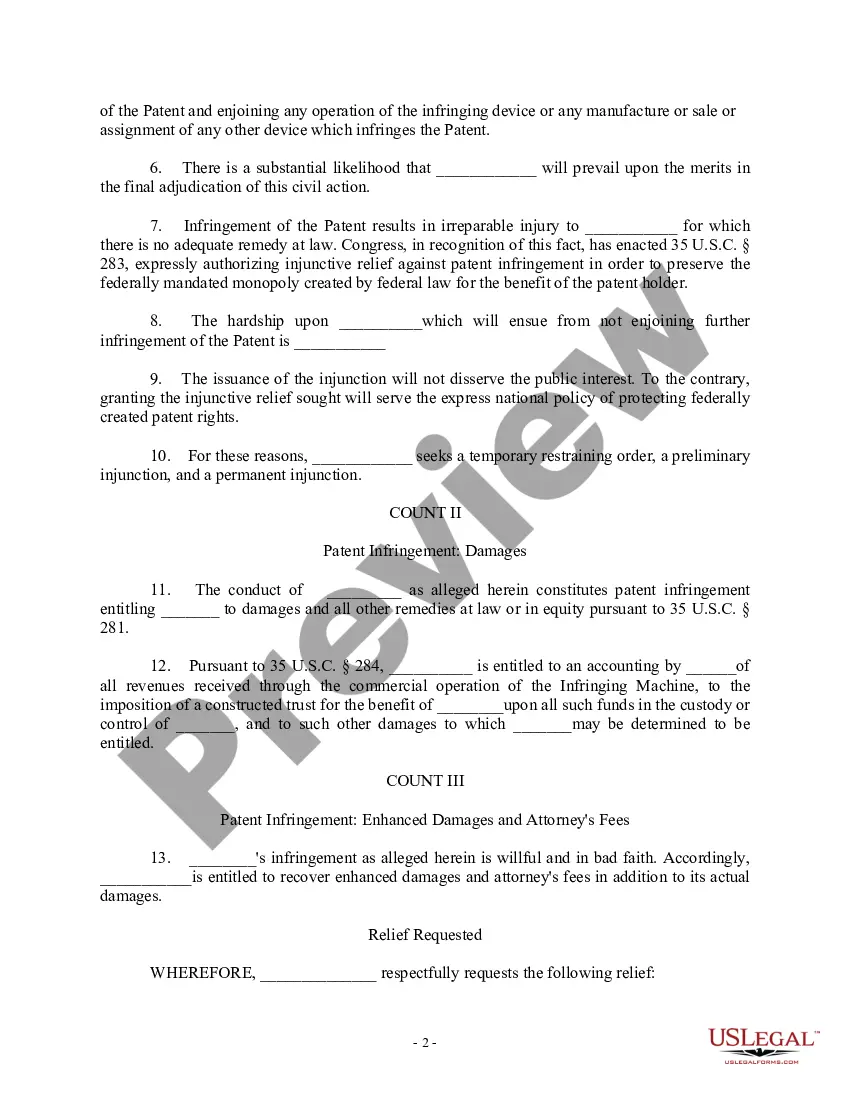
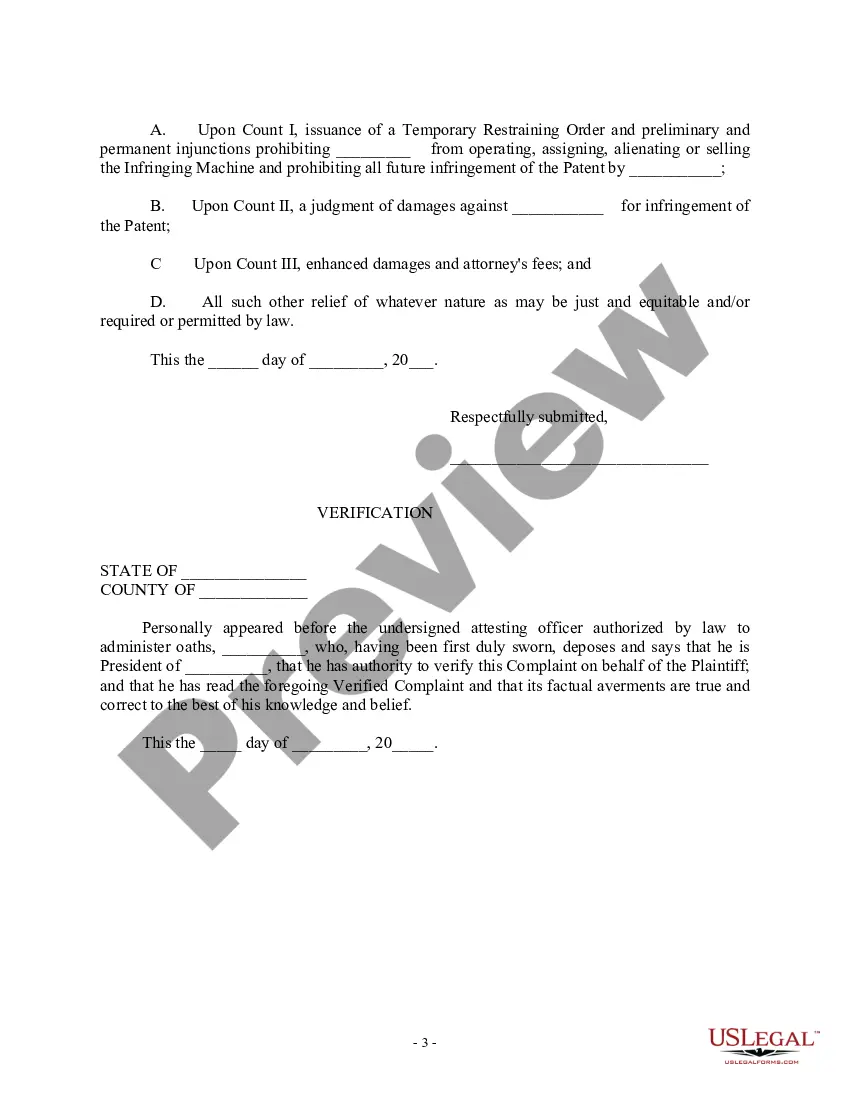
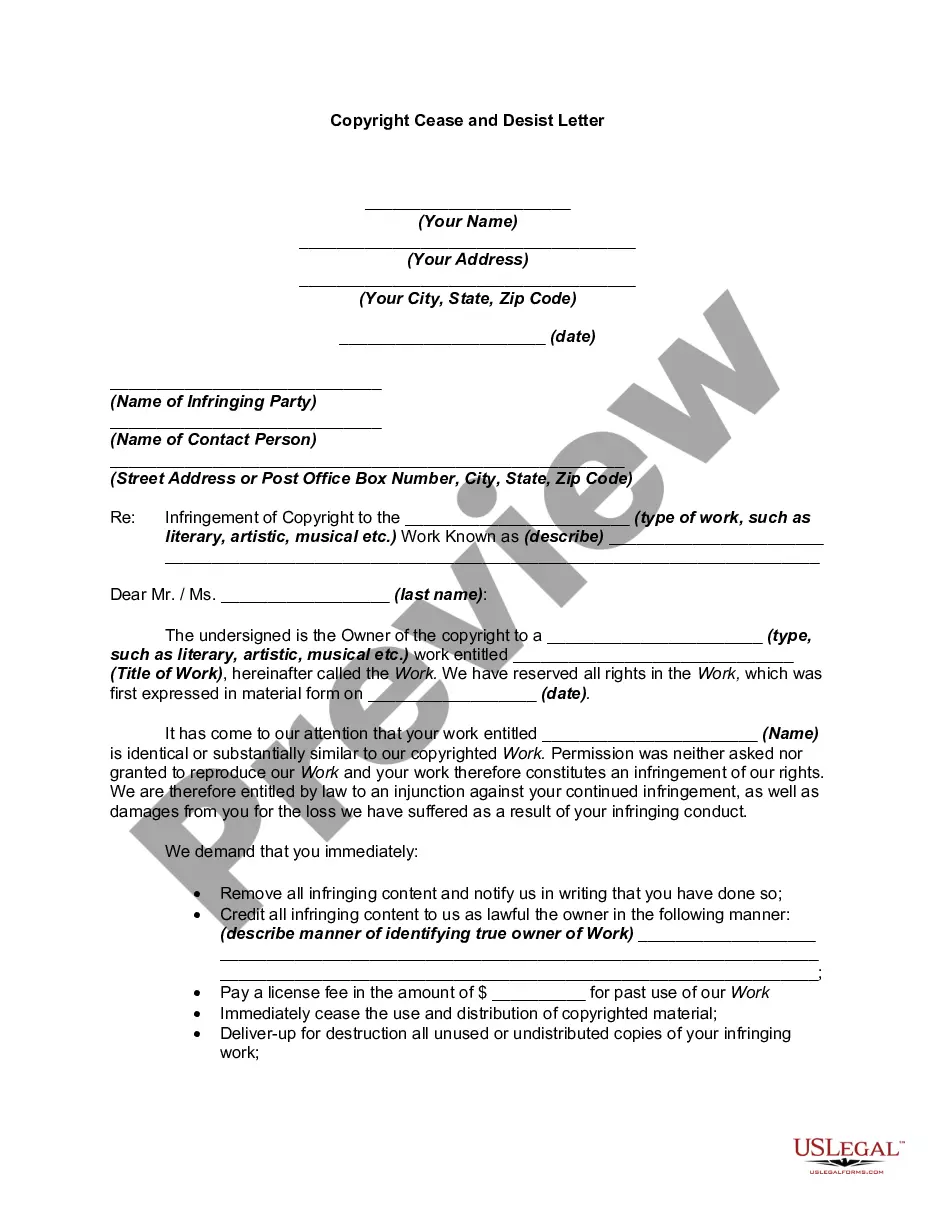
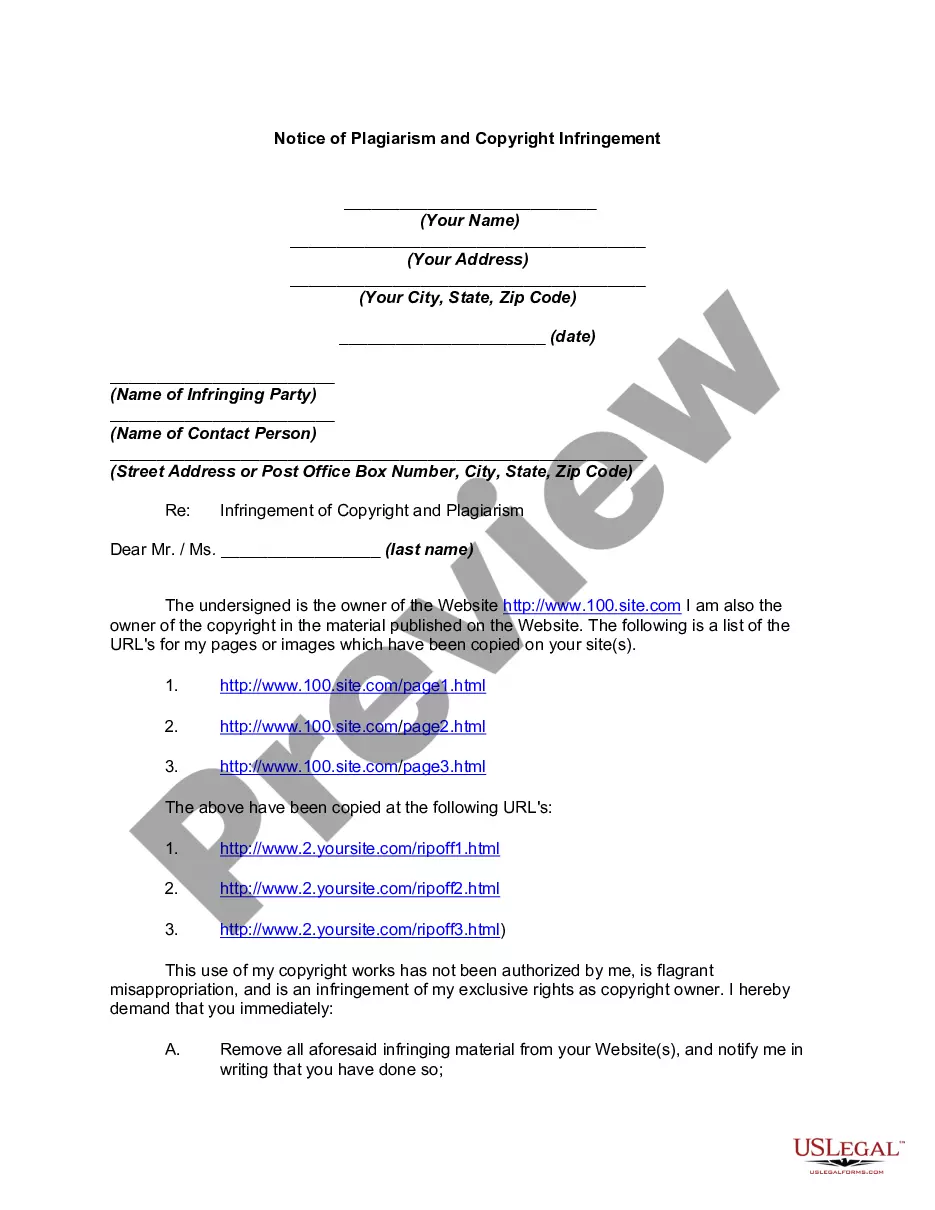
Get your form ready online
Our built-in tools help you complete, sign, share, and store your documents in one place.
Make edits, fill in missing information, and update formatting in US Legal Forms—just like you would in MS Word.
Download a copy, print it, send it by email, or mail it via USPS—whatever works best for your next step.
Sign and collect signatures with our SignNow integration. Send to multiple recipients, set reminders, and more. Go Premium to unlock E-Sign.
If this form requires notarization, complete it online through a secure video call—no need to meet a notary in person or wait for an appointment.
We protect your documents and personal data by following strict security and privacy standards.

Make edits, fill in missing information, and update formatting in US Legal Forms—just like you would in MS Word.

Download a copy, print it, send it by email, or mail it via USPS—whatever works best for your next step.

Sign and collect signatures with our SignNow integration. Send to multiple recipients, set reminders, and more. Go Premium to unlock E-Sign.

If this form requires notarization, complete it online through a secure video call—no need to meet a notary in person or wait for an appointment.

We protect your documents and personal data by following strict security and privacy standards.
Looking for another form?
Form popularity
FAQ
Examples of patentable inventions include chemical compounds, computer hardware, machines, drugs, mechanical devices and industrial processes. The iPhone, 3D printer, helicopter drone, solar panel, GPS and bionic eye would be classic examples.
Machines, medicines, computer programs, articles made by machines, compositions, chemicals, biogenetic materials, and processes, can all be the subject matter for a United States patent.
Patents can protect lots of different types of inventions like medical technology, pharmaceuticals, appliances, and mechanical devices.
Invention Must be Reduced to Practice Specifically, Georgia PATENTS requires inventors to either: Create a working prototype; or. Describe the invention in sufficient detail such that a person with ordinary skill in the relevant field could Make and Use the Invention without any outside assistance.
A patent is considered personal property of the inventor. Once the inventor is granted a patent, she may transfer her patent rights to another. For example, a research company may employ a scientist who invents a new medical device.
Patents may be granted for inventions in any field of technology, from an everyday kitchen utensil to a nanotechnology chip. An invention can be a product – such as a chemical compound, or a process, for example – or a process for producing a specific chemical compound.
Some examples of design patents include ornamental designs on jewelry, automobiles or furniture, as well as packaging, fonts, and computer icons (such as emojis). Some famous design patent objects include the original curvy Coca-Cola bottle (1915) and the Statue of Liberty (1879).
The Wright Brothers' “Flying Machine" The Wright brothers, Orville and Wilbur Wright, secured a patent for their “flying machine” in 1906. Their invention (patent number US821393A) detailed an innovative method for controlling an aircraft in flight.
Requirements for filing a provisional application: A detailed written description of the invention including drawings. Title of the invention. Name(s) of all inventors. Inventor(s) residence(s) Name and registration number of attorney or agent and docket number (if applicable) Correspondence address.