Patent With Example In Cook
Description
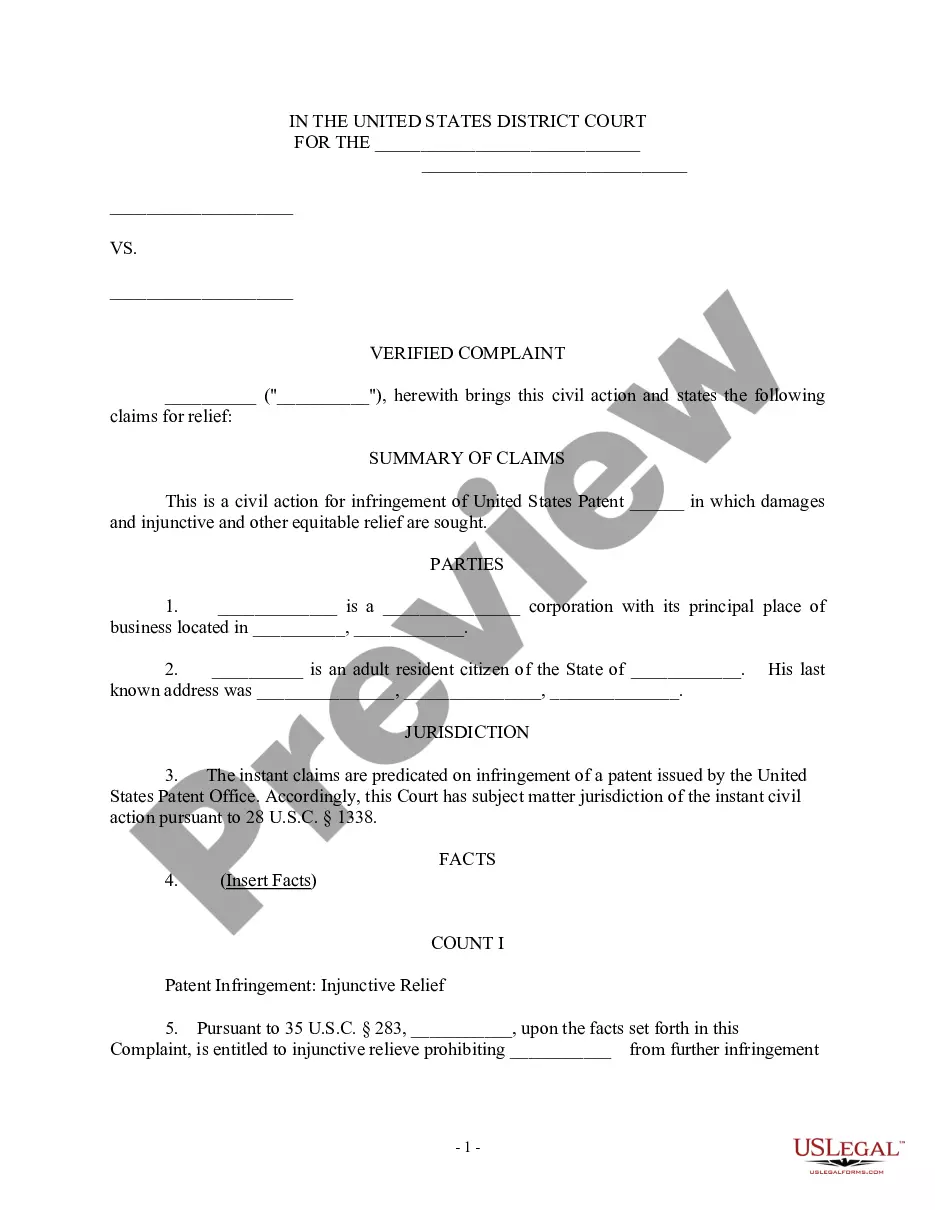
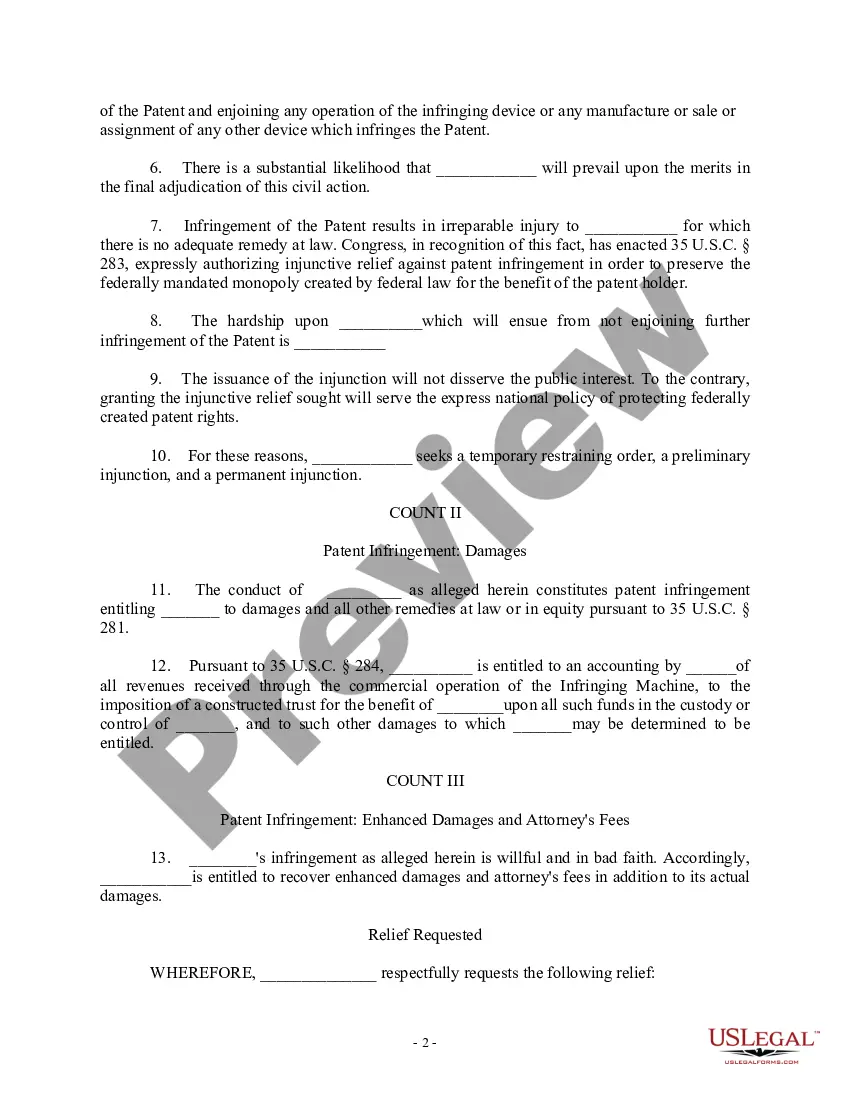
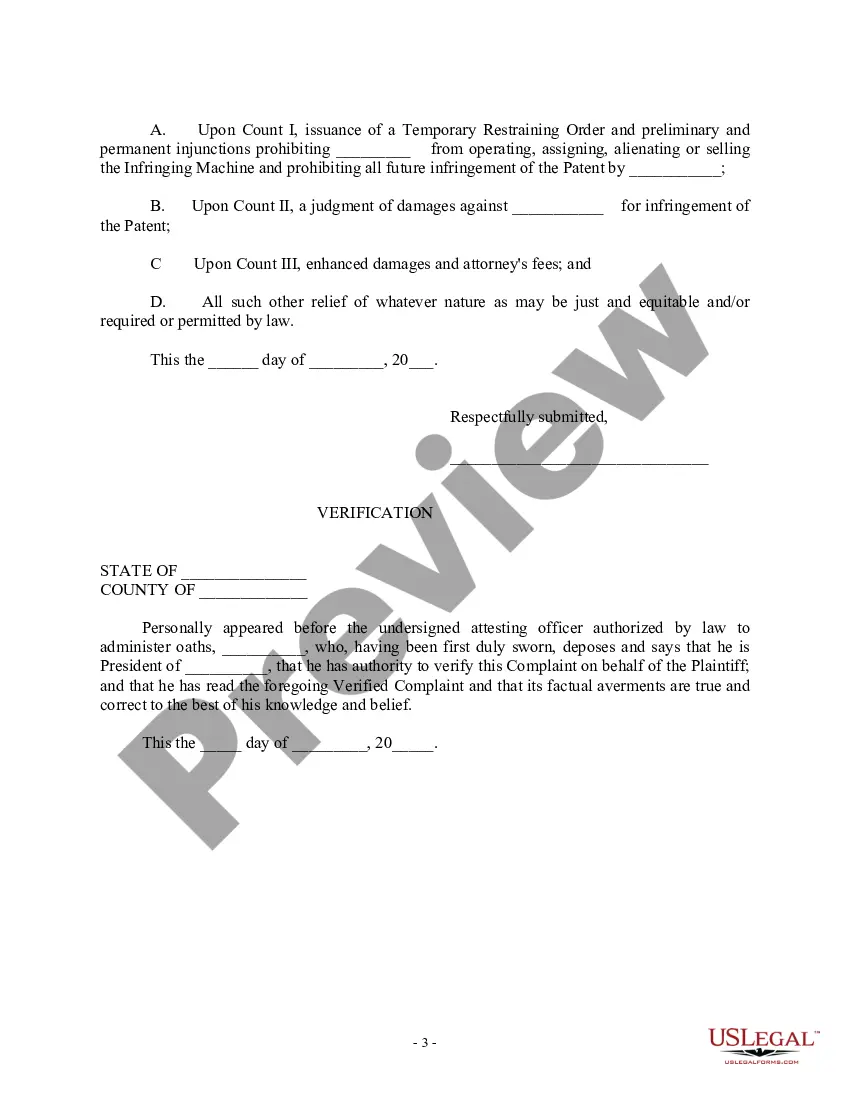
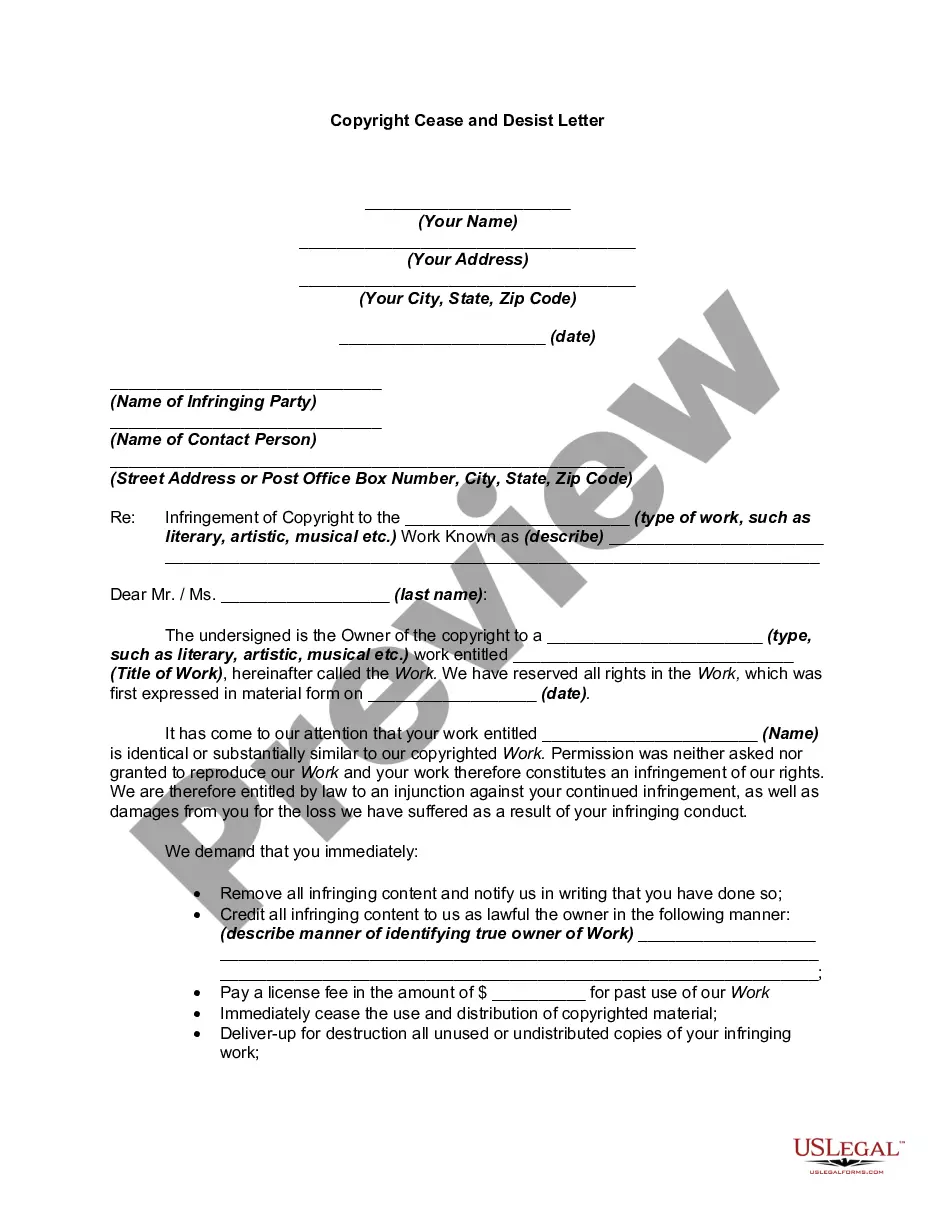
Get your form ready online
Our built-in tools help you complete, sign, share, and store your documents in one place.
Make edits, fill in missing information, and update formatting in US Legal Forms—just like you would in MS Word.
Download a copy, print it, send it by email, or mail it via USPS—whatever works best for your next step.
Sign and collect signatures with our SignNow integration. Send to multiple recipients, set reminders, and more. Go Premium to unlock E-Sign.
If this form requires notarization, complete it online through a secure video call—no need to meet a notary in person or wait for an appointment.
We protect your documents and personal data by following strict security and privacy standards.

Make edits, fill in missing information, and update formatting in US Legal Forms—just like you would in MS Word.

Download a copy, print it, send it by email, or mail it via USPS—whatever works best for your next step.

Sign and collect signatures with our SignNow integration. Send to multiple recipients, set reminders, and more. Go Premium to unlock E-Sign.

If this form requires notarization, complete it online through a secure video call—no need to meet a notary in person or wait for an appointment.

We protect your documents and personal data by following strict security and privacy standards.
Looking for another form?






Form popularity
FAQ
There is no legal way to protect a recipe; copyright laws don't apply to recipes, formulations, compounds, lists of ingredients, etc. The only alternatives are to use ``secret ingredients'' whose composition is known only to the developer, or otherwise to hide the recipe.
In order to patent the recipe, you hire a patent professional (a patent lawyer or patent agent) to draft an application for you and submit it to the US Patent and Trademark office. If the recipe really is new, and not an obvious variation of an existing recipe, you will be granted a patent.
The Wright Brothers' “Flying Machine" The Wright brothers, Orville and Wilbur Wright, secured a patent for their “flying machine” in 1906. Their invention (patent number US821393A) detailed an innovative method for controlling an aircraft in flight.
Barilla's new pasta shape is an example of this type of food innovation, in which a minor change in the shape of a traditional pasta can result in significant functional improvements.
Yes, a food product and/ or its recipe can be patented.
In order to patent the recipe, you hire a patent professional (a patent lawyer or patent agent) to draft an application for you and submit it to the US Patent and Trademark office. If the recipe really is new, and not an obvious variation of an existing recipe, you will be granted a patent.
Business methods you can patent To patent a business method, the invention must be novel and nonobvious. And a business method has to be more than just an idea to be patentable. The Supreme Court ruled in Bilski v.
McDonald's has a total of 79 patents globally, out of which 47 have been granted. Of these 79 patents, more than 15% patents are active. Australia is where McDonald's has filed the maximum number of patents, followed by Europe (EPO) and New Zealand.
Unfortunately, you generally cannot patent a recipe or cooking process. ?? While patent law protects inventions, recipes and cooking methods often fall under copyright or trade secret protection instead.
