Patent With Example In Broward
Description

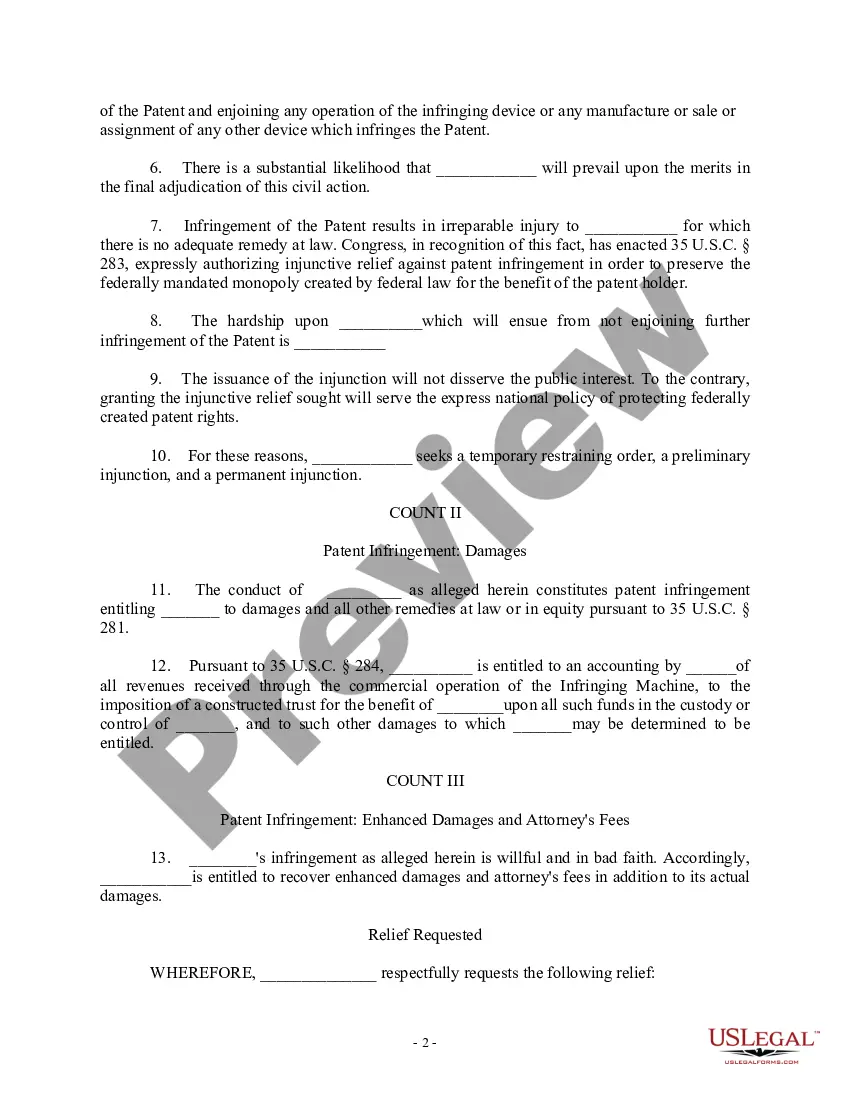
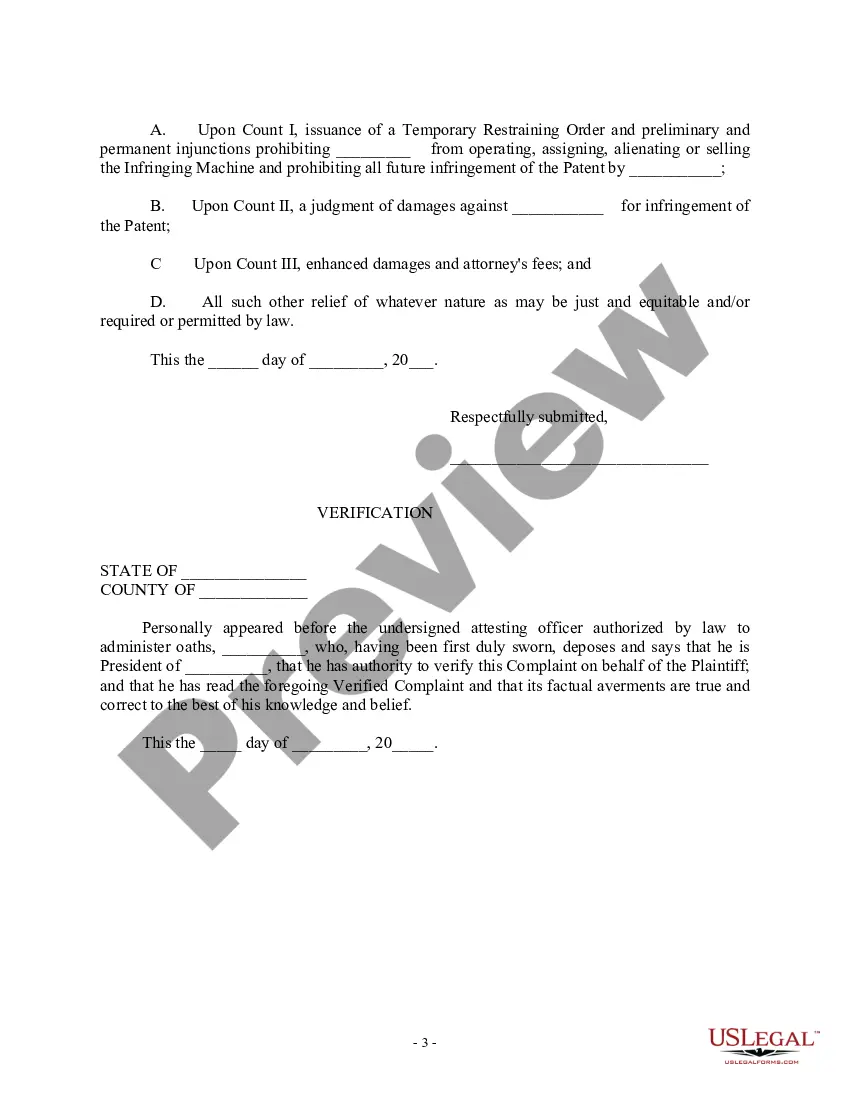
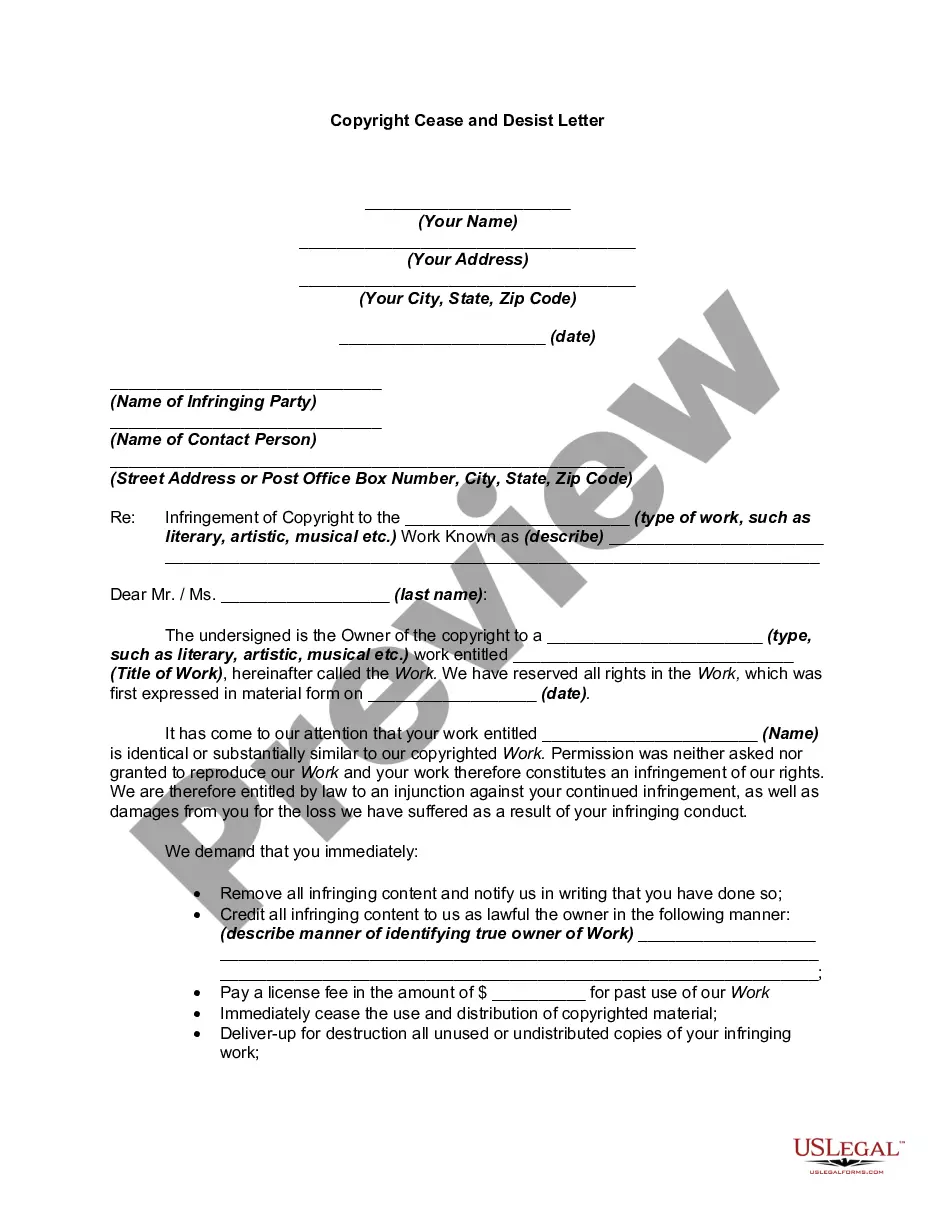
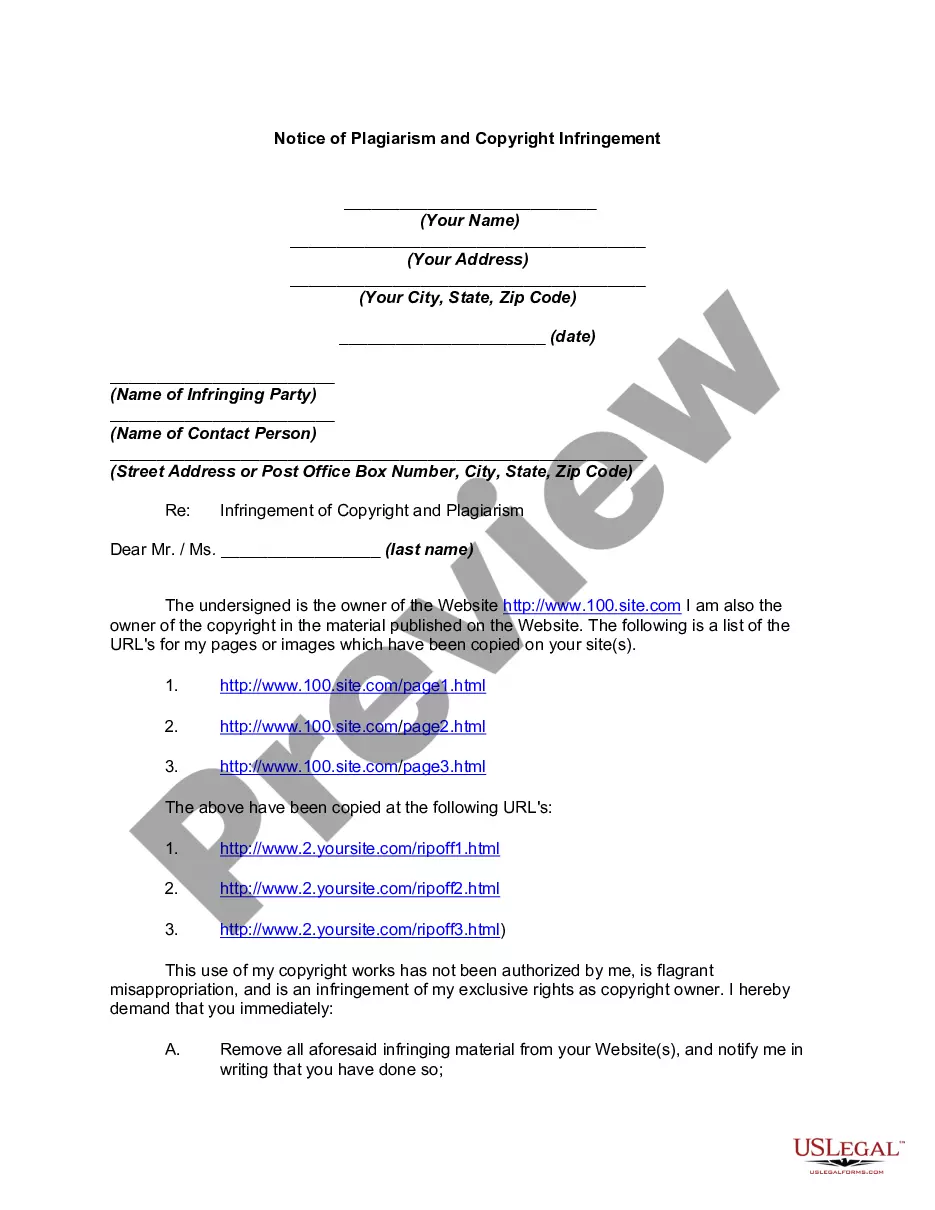
Get your form ready online
Our built-in tools help you complete, sign, share, and store your documents in one place.
Make edits, fill in missing information, and update formatting in US Legal Forms—just like you would in MS Word.
Download a copy, print it, send it by email, or mail it via USPS—whatever works best for your next step.
Sign and collect signatures with our SignNow integration. Send to multiple recipients, set reminders, and more. Go Premium to unlock E-Sign.
If this form requires notarization, complete it online through a secure video call—no need to meet a notary in person or wait for an appointment.
We protect your documents and personal data by following strict security and privacy standards.

Make edits, fill in missing information, and update formatting in US Legal Forms—just like you would in MS Word.

Download a copy, print it, send it by email, or mail it via USPS—whatever works best for your next step.

Sign and collect signatures with our SignNow integration. Send to multiple recipients, set reminders, and more. Go Premium to unlock E-Sign.

If this form requires notarization, complete it online through a secure video call—no need to meet a notary in person or wait for an appointment.

We protect your documents and personal data by following strict security and privacy standards.
Looking for another form?




Form popularity
FAQ
The five primary requirements for patentability are: (1) patentable subject matter; (2) utility; (3) novelty; (4) non-obviousness; and (5) enablement. Like trademarks, patents are territorial, meaning they are enforceable in a specific geographic area.
Requirements for filing a provisional application: A detailed written description of the invention including drawings. Title of the invention. Name(s) of all inventors. Inventor(s) residence(s) Name and registration number of attorney or agent and docket number (if applicable) Correspondence address.
No, the use of an attorney or registered agent is not required for filing a patent application. However, an attorney or registered agent is often a useful resource and the USPTO recommends the use of such for preparing a patent application and conducting the proceedings in the USPTO.
How to File a Patent in Florida Do You Have an Idea or Invention? Every invention begins as an idea. Perform Market Research. Verify Patent Eligibility. Conduct a Patent Search. Determine Inventorship & Ownership. Choose the Type of Patent. Prepare the Patent Application. Submit the Patent Application.
A poor man's patent is essentially writing out a description of your invention and then mailing that written description to yourself.
Patents have been used in their modern definition since the 1500s to provide inventors the exclusive right to produce and sell their inventions. Some famous examples of products that have been patented include: The Telephone: Patented by Alexander Graham Bell in 1876. The Lightbulb: Patented in 1878 by Thomas Edison.
A patent is considered personal property of the inventor. Once the inventor is granted a patent, she may transfer her patent rights to another. For example, a research company may employ a scientist who invents a new medical device.
Machines, medicines, computer programs, articles made by machines, compositions, chemicals, biogenetic materials, and processes, can all be the subject matter for a United States patent.
Patents may be granted for inventions in any field of technology, from an everyday kitchen utensil to a nanotechnology chip. An invention can be a product – such as a chemical compound, or a process, for example – or a process for producing a specific chemical compound.
What cannot be patented? a discovery, scientific theory or mathematical method, an aesthetic creation, a scheme, rule or method for performing a mental act, playing a game or doing business, or a computer program, a presentation of information,