Patent With Example In Arizona
Description

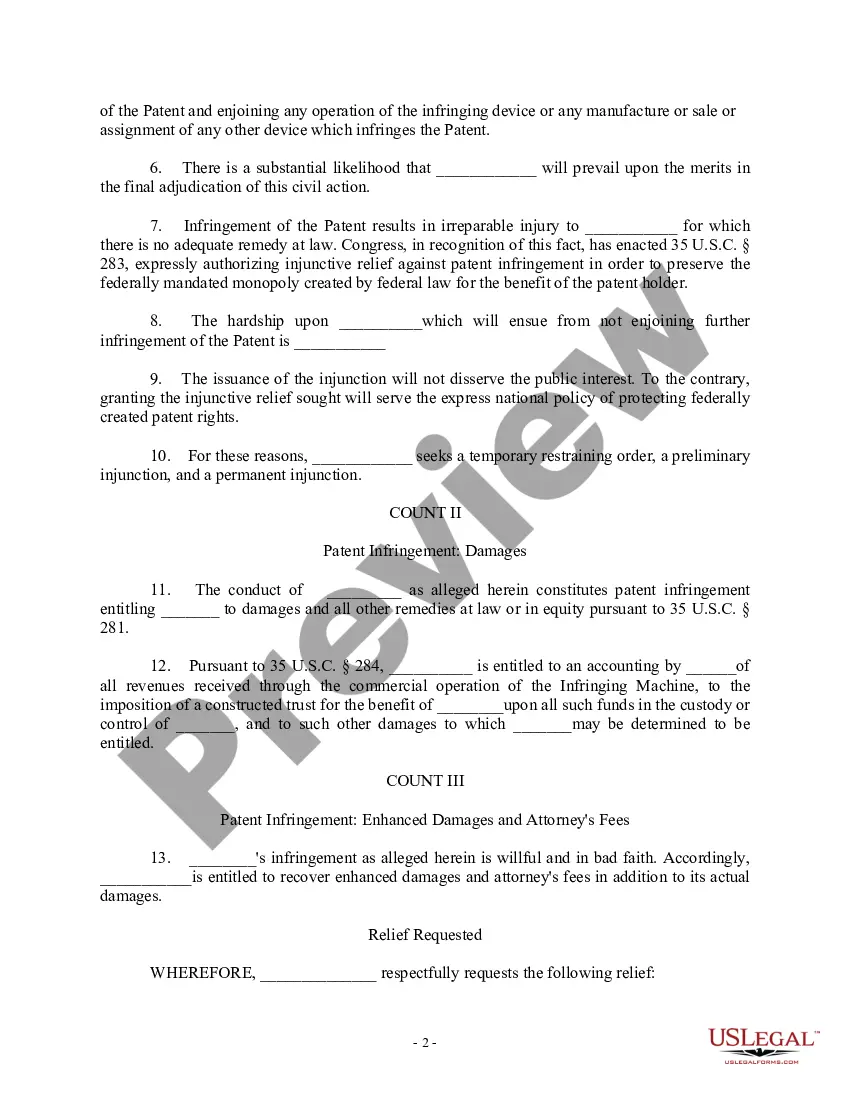
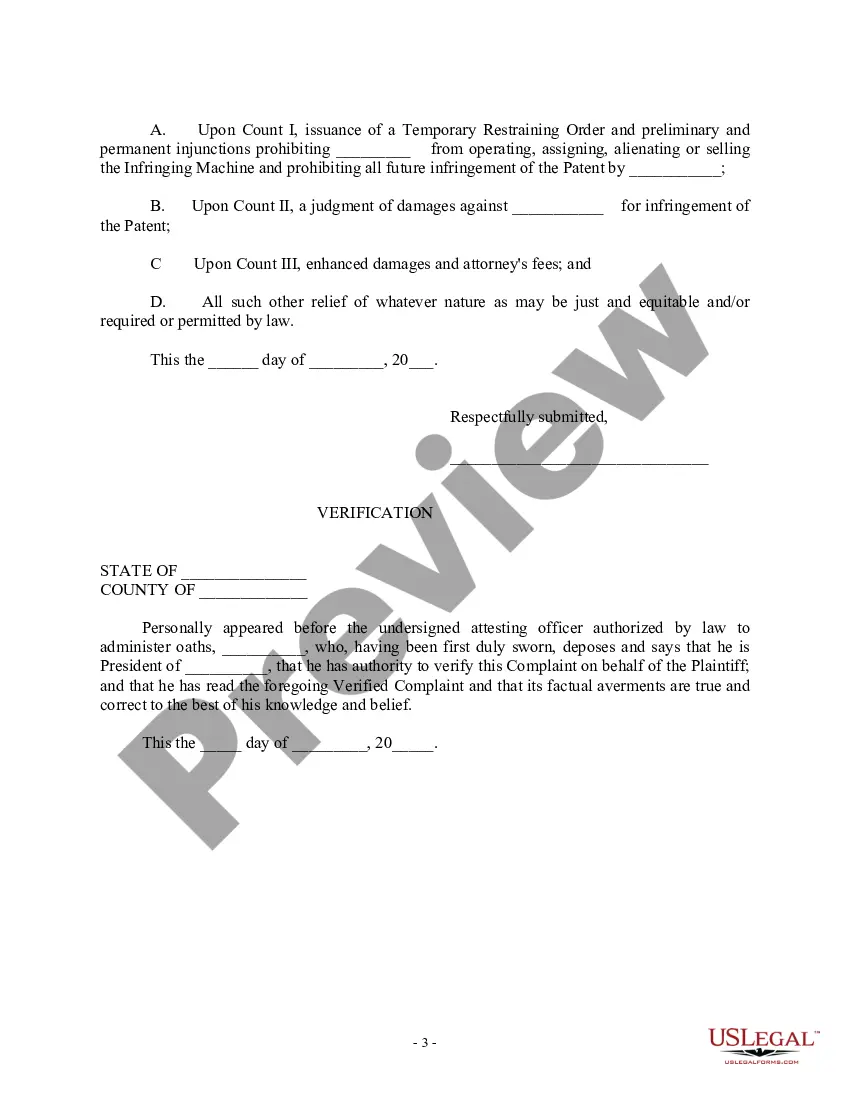
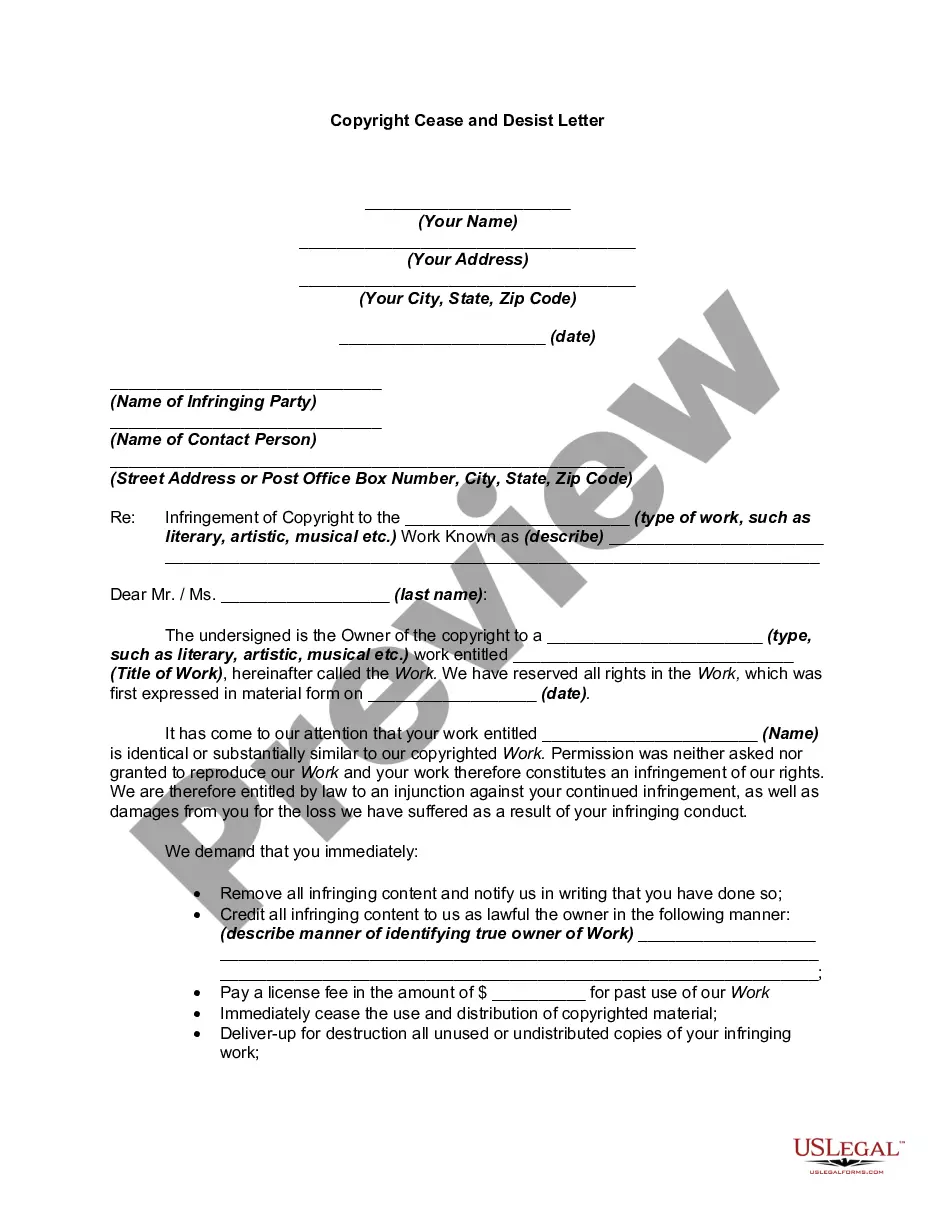
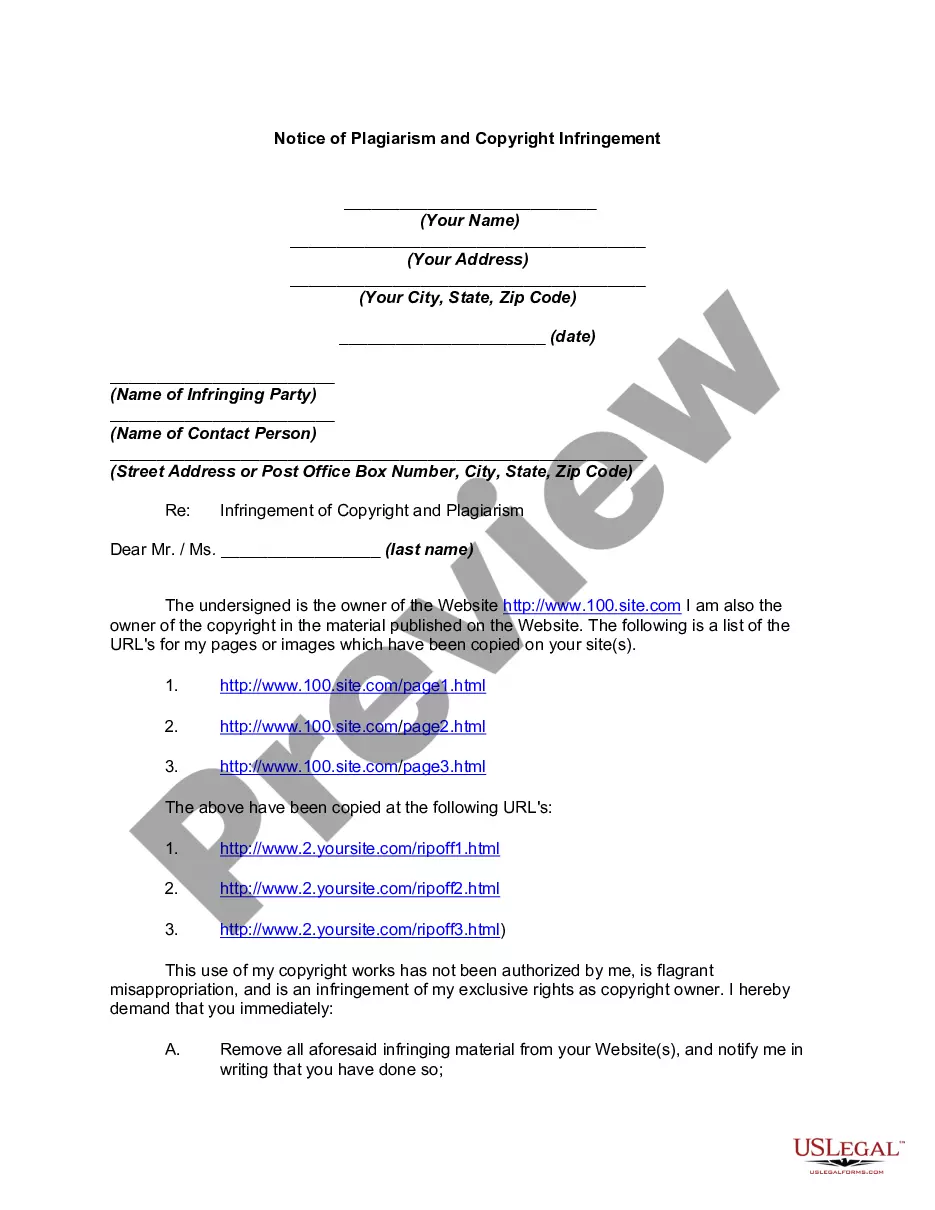
Get your form ready online
Our built-in tools help you complete, sign, share, and store your documents in one place.
Make edits, fill in missing information, and update formatting in US Legal Forms—just like you would in MS Word.
Download a copy, print it, send it by email, or mail it via USPS—whatever works best for your next step.
Sign and collect signatures with our SignNow integration. Send to multiple recipients, set reminders, and more. Go Premium to unlock E-Sign.
If this form requires notarization, complete it online through a secure video call—no need to meet a notary in person or wait for an appointment.
We protect your documents and personal data by following strict security and privacy standards.

Make edits, fill in missing information, and update formatting in US Legal Forms—just like you would in MS Word.

Download a copy, print it, send it by email, or mail it via USPS—whatever works best for your next step.

Sign and collect signatures with our SignNow integration. Send to multiple recipients, set reminders, and more. Go Premium to unlock E-Sign.

If this form requires notarization, complete it online through a secure video call—no need to meet a notary in person or wait for an appointment.

We protect your documents and personal data by following strict security and privacy standards.
Looking for another form?





Form popularity
FAQ
The Patent Process Determine the type of intellectual property you need. Determine if your invention is patentable. Determine what kind of patent you need. Get ready to apply. Submit your application. Work with your examiner. Receive your approval. Maintain your patent.
The Wright Brothers' “Flying Machine" The Wright brothers, Orville and Wilbur Wright, secured a patent for their “flying machine” in 1906. Their invention (patent number US821393A) detailed an innovative method for controlling an aircraft in flight.
Application really isn't the poor man's. Patent it's a placeholder. It gives you the priority dateMoreApplication really isn't the poor man's. Patent it's a placeholder. It gives you the priority date of when you submitted your invention to the patent.
The Patent Process Determine the type of intellectual property you need. Determine if your invention is patentable. Determine what kind of patent you need. Get ready to apply. Submit your application. Work with your examiner. Receive your approval. Maintain your patent.
A provisional application is a quick, inexpensive way for you to establish a U.S. filing date for your invention that can be claimed in a later-filed U.S. nonprovisional, PCT, and/or foreign application. Provisional applications will not be examined and never lead to patents by themselves.
The five primary requirements for patentability are: (1) patentable subject matter; (2) utility; (3) novelty; (4) non-obviousness; and (5) enablement. Like trademarks, patents are territorial, meaning they are enforceable in a specific geographic area.
Some examples of design patents include ornamental designs on jewelry, automobiles or furniture, as well as packaging, fonts, and computer icons (such as emojis). Some famous design patent objects include the original curvy Coca-Cola bottle (1915) and the Statue of Liberty (1879).
An inventor in Arizona should use the services of a registered patent attorney in Arizona to prepare and file the patent application. Although an inventor may file and obtain their own patent, there is no guarantee that the patent would sufficiently protect the invention.
Examples of patentable inventions include chemical compounds, computer hardware, machines, drugs, mechanical devices and industrial processes. The iPhone, 3D printer, helicopter drone, solar panel, GPS and bionic eye would be classic examples.
A patent is considered personal property of the inventor. Once the inventor is granted a patent, she may transfer her patent rights to another. For example, a research company may employ a scientist who invents a new medical device.
