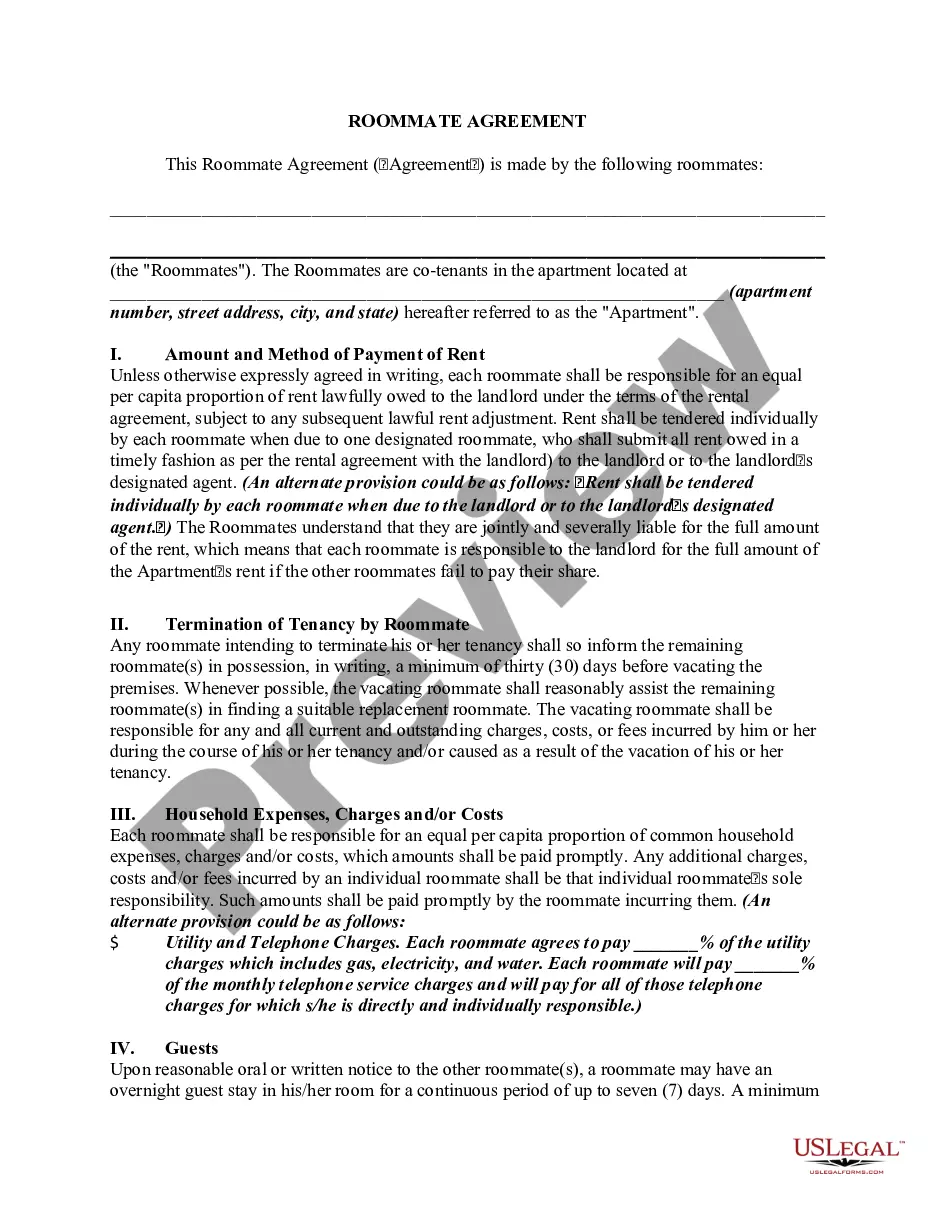
4th Amendment Us Constitution For Sale In San Bernardino
Description






Get your form ready online
Our built-in tools help you complete, sign, share, and store your documents in one place.
Make edits, fill in missing information, and update formatting in US Legal Forms—just like you would in MS Word.
Download a copy, print it, send it by email, or mail it via USPS—whatever works best for your next step.
Sign and collect signatures with our SignNow integration. Send to multiple recipients, set reminders, and more. Go Premium to unlock E-Sign.
If this form requires notarization, complete it online through a secure video call—no need to meet a notary in person or wait for an appointment.
We protect your documents and personal data by following strict security and privacy standards.

Make edits, fill in missing information, and update formatting in US Legal Forms—just like you would in MS Word.

Download a copy, print it, send it by email, or mail it via USPS—whatever works best for your next step.

Sign and collect signatures with our SignNow integration. Send to multiple recipients, set reminders, and more. Go Premium to unlock E-Sign.

If this form requires notarization, complete it online through a secure video call—no need to meet a notary in person or wait for an appointment.

We protect your documents and personal data by following strict security and privacy standards.
Looking for another form?









Form popularity
FAQ
“The right of the people to be secure in their persons, houses, papers, and effects, against unreasonable searches and seizures, shall not be violated, and no Warrants shall issue, but upon probable cause, supported by Oath or affirmation, and particularly describing the place to be searched, and the persons or things ...
Despite the grave constitutional stakes, the Supreme Court breezily held in a two-paragraph opinion that the Fourth Amendment did not apply to private land because “the special protection ed by the Fourth Amendment to the people in their 'persons, houses, papers, and effects,' is not extended to the open fields.” ...
The Constitution, through the Fourth Amendment, protects people from unreasonable searches and seizures by the government. The Fourth Amendment, however, is not a guarantee against all searches and seizures, but only those that are deemed unreasonable under the law.
Generally, a person has no reasonable expectation of privacy for property and personal effects they hold open to the public. The Fourth Amendment does not protect things that are visible or in "plain view" for a person of ordinary and unenhanced vision.
Hester v. United States first introduced the doctrine that the Fourth Amendment protection does not extend to open fields. Governmental intrusion and information collection upon open fields do not constitute searches or seizures under the Fourth Amendment.
The right of the people to be secure in their persons, houses, papers, and effects, against unreasonable searches and seizures, shall not be violated, and no Warrants shall issue, but upon probable cause, supported by Oath or affirmation, and particularly describing the place to be searched, and the persons or things ...
The US Supreme Court has recognized that corporations may litigate rights under the First Amendment, Fourth Amendment, Fifth Amendment, Sixth Amendment, and Seventh Amendment, the Due Process Clauses of the Fifth and Fourteenth Amendments, and the Equal Protection Clause of the Fourteenth Amendment.
“The right of the people to be secure in their persons, houses, papers, and effects, against unreasonable searches and seizures, shall not be violated, and no Warrants shall issue, but upon probable cause, supported by Oath or affirmation, and particularly describing the place to be searched, and the persons or things ...
Generally, a person has no reasonable expectation of privacy for property and personal effects they hold open to the public. The Fourth Amendment does not protect things that are visible or in "plain view" for a person of ordinary and unenhanced vision.
The Constitution, through the Fourth Amendment, protects people from unreasonable searches and seizures by the government. The Fourth Amendment, however, is not a guarantee against all searches and seizures, but only those that are deemed unreasonable under the law.