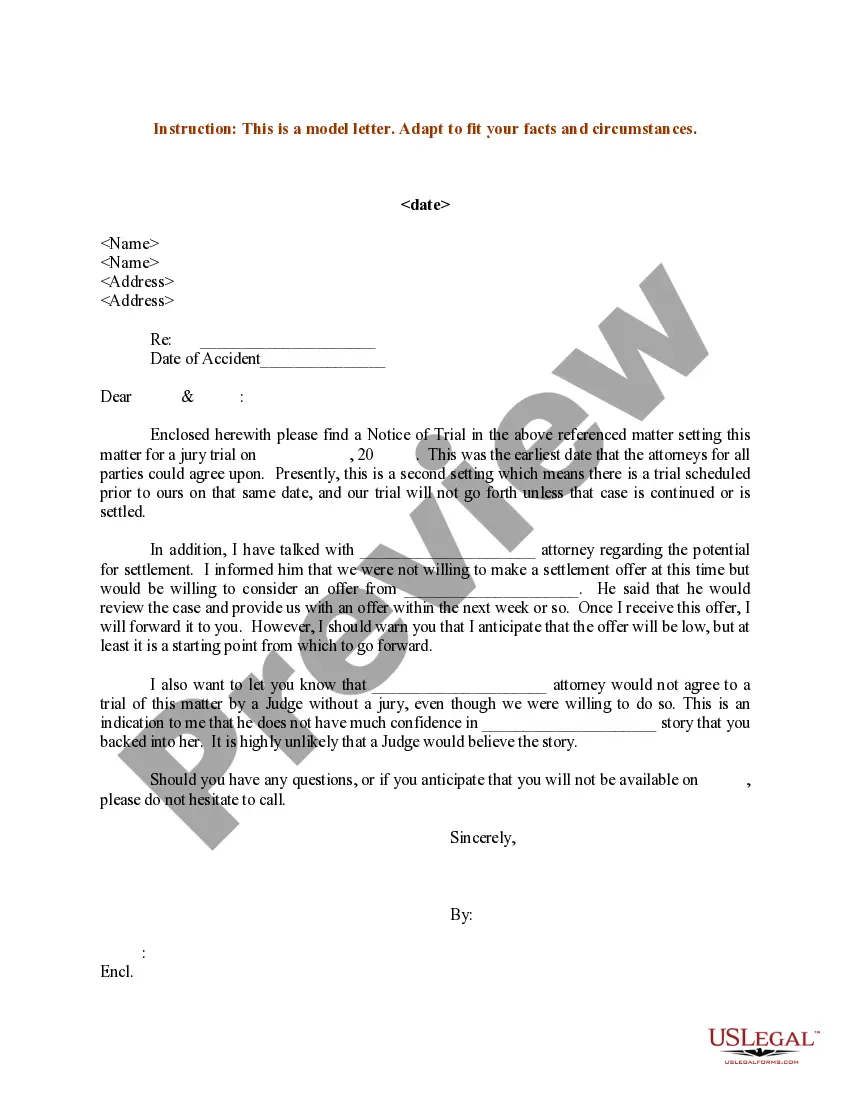
Complaint False Arrest For Domestic Violence In Queens
Description






Get your form ready online
Our built-in tools help you complete, sign, share, and store your documents in one place.
Make edits, fill in missing information, and update formatting in US Legal Forms—just like you would in MS Word.
Download a copy, print it, send it by email, or mail it via USPS—whatever works best for your next step.
Sign and collect signatures with our SignNow integration. Send to multiple recipients, set reminders, and more. Go Premium to unlock E-Sign.
If this form requires notarization, complete it online through a secure video call—no need to meet a notary in person or wait for an appointment.
We protect your documents and personal data by following strict security and privacy standards.

Make edits, fill in missing information, and update formatting in US Legal Forms—just like you would in MS Word.

Download a copy, print it, send it by email, or mail it via USPS—whatever works best for your next step.

Sign and collect signatures with our SignNow integration. Send to multiple recipients, set reminders, and more. Go Premium to unlock E-Sign.

If this form requires notarization, complete it online through a secure video call—no need to meet a notary in person or wait for an appointment.

We protect your documents and personal data by following strict security and privacy standards.
Looking for another form?








Form popularity
FAQ
6 steps to defend yourself against a false allegation at work Stay Calm and Gather Evidence. Contact a Criminal Defense Lawyer. Challenge the Accuser's Credibility. Understand Your Rights. Prepare Your Defense. Consider Counterclaims. Don't Let False Allegations Fly — Contact Right Law Group.
Typically, plaintiffs bringing allegations of false arrest against state authorities need to prove all three of the elements outlined below. The arrest was inappropriate. The person detained suffered harm. An officer was the cause of the injury.
In the realm of law, malicious prosecution is a term that strikes fear into the hearts of many. It involves the misuse of legal proceedings without probable cause, often resulting in severe financial and emotional consequences for the innocent party involved.
Steps to Take When Falsely Accused Seek Legal Counsel Immediately. The first and most important step is to secure legal representation. Cease Communication with Your Accuser. Gather Evidence to Support Your Innocence. Maintain Communication Records. Cooperate with Law Enforcement.
It can be difficult to win a malicious prosecution lawsuit based on a criminal case. To prevail, the plaintiff must prove four elements by a preponderance of the evidence.
Examples of malicious prosecution may be: An unscrupulous prosecutor filing false charges against a political rival. A corporation filing a frivolous lawsuit against a small business in order to take out the competition.
Yes, you can file suit against someone spreading lies about you. Often times, it's easy for a local attorney to send a letter to the individual, demanding that they cease spreading the rumors. I handle these types of cases, including online and in-person defamation.
You Have the Presumption of Innocence The law presumes that you are innocent until the state proves your guilt. To obtain a conviction, the prosecutor must prove all legal elements of the crime beyond a reasonable doubt. Therefore, if you are wrongfully accused, don't panic.