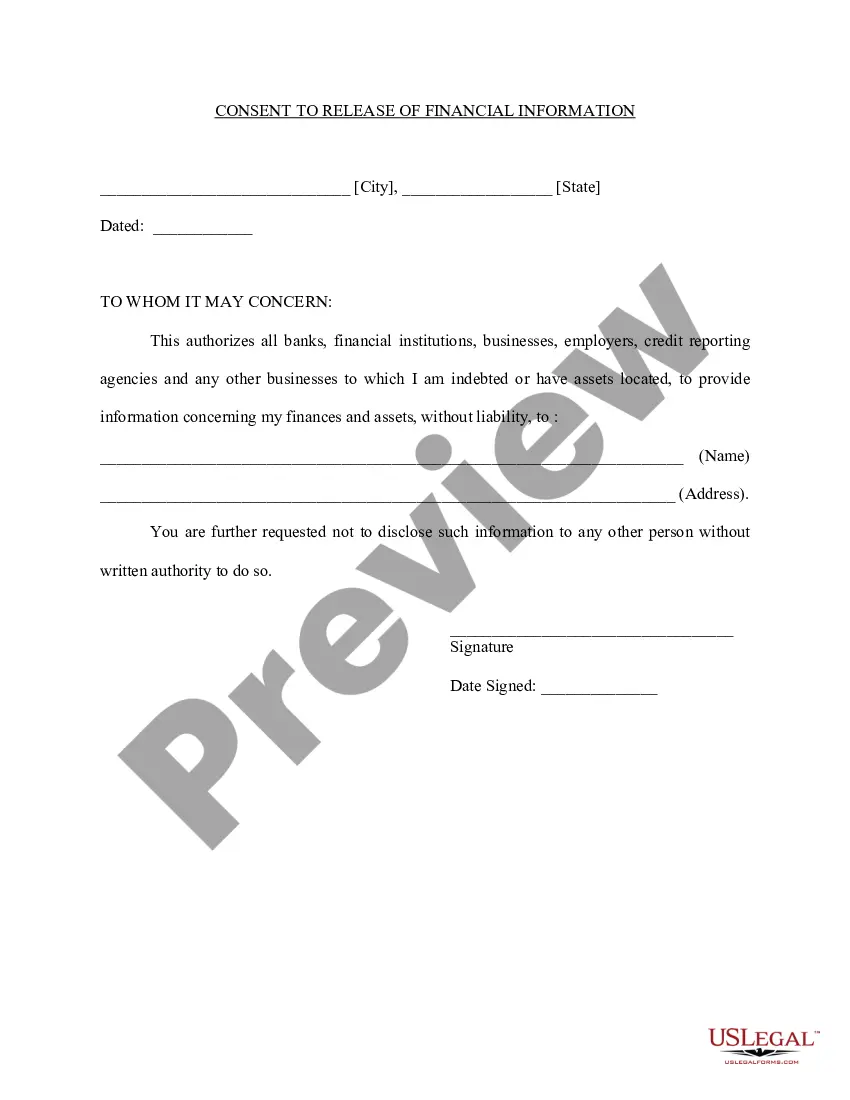
Complaint False Imprisonment Without Warrant In Ohio
Description






Get your form ready online
Our built-in tools help you complete, sign, share, and store your documents in one place.
Make edits, fill in missing information, and update formatting in US Legal Forms—just like you would in MS Word.
Download a copy, print it, send it by email, or mail it via USPS—whatever works best for your next step.
Sign and collect signatures with our SignNow integration. Send to multiple recipients, set reminders, and more. Go Premium to unlock E-Sign.
If this form requires notarization, complete it online through a secure video call—no need to meet a notary in person or wait for an appointment.
We protect your documents and personal data by following strict security and privacy standards.

Make edits, fill in missing information, and update formatting in US Legal Forms—just like you would in MS Word.

Download a copy, print it, send it by email, or mail it via USPS—whatever works best for your next step.

Sign and collect signatures with our SignNow integration. Send to multiple recipients, set reminders, and more. Go Premium to unlock E-Sign.

If this form requires notarization, complete it online through a secure video call—no need to meet a notary in person or wait for an appointment.

We protect your documents and personal data by following strict security and privacy standards.
Looking for another form?








Form popularity
FAQ
Thirty-six states and Washington, DC, have laws on the books that offer compensation for exonerees. The federal standard to compensate those who are wrongfully convicted is a minimum of $50,000 per year of incarceration, plus an additional amount for each year spent on death row.
To prove a false imprisonment claim as a tort in a civil lawsuit, the following elements must be present: There was a willful detention; The detention was without consent; and. The detention was unlawful.
Individuals falsely accused can pursue a defamation case if the false allegations are made publicly and damage their reputation. The legal system provides mechanisms to seek redress through civil lawsuits for defamation, which can lead to compensation for damages incurred.
Ohio Revised Code 2743.48 provides a method for recovery for wrongfully imprisonment actions. Initially, one must go to the Court of Common Pleas which had jurisdiction over their initial conviction and file a declaratory judgment action requesting that they be declared a wrongfully imprisoned individual.
Ohio Revised Code 2743.48 provides a method for recovery for wrongfully imprisonment actions. Initially, one must go to the Court of Common Pleas which had jurisdiction over their initial conviction and file a declaratory judgment action requesting that they be declared a wrongfully imprisoned individual.
In Giordenello v. United States, 357 U.S. 480 (1958) it was held that to support the issuance of a warrant the complaint must contain in addition to a statement “of the essential facts constituting the offense” (Rule 3) a statement of the facts relied upon by the complainant to establish probable cause.
The Brady rule, named after Brady v. Maryland, requires prosecutors to disclose material, exculpatory information in the government's possession to the defense.
(A) No person shall knowingly make a false statement, or knowingly swear or affirm the truth of a false statement previously made, when any of the following applies: (1) The statement is made in any official proceeding. (2) The statement is made with purpose to incriminate another.