4th Amendment Rules In Franklin

State:
Multi-State
County:
Franklin
Control #:
US-000280
Format:
Word; 
Rich Text
226 downloads

Description

The document is a complaint form relevant to the 4th amendment rules in Franklin, focusing on unlawful entries and malicious prosecution. It details a plaintiff's claims against a defendant regarding false accusations of trespassing that led to the plaintiff's arrest, emotional distress, and financial loss. The complaint emphasizes the plaintiff's argument that the defendant acted with malice and without factual basis, potentially violating the plaintiff's constitutional rights. Key features include sections for plaintiff and defendant identification, grounds for claims, description of damages, and a demand for specific monetary compensation. Filling instructions entail clearly detailing the allegations, supporting facts, and evidence, such as affidavits and exhibits. Attorneys and legal professionals can use this form to represent clients experiencing unlawful arrest or prosecution, ensuring they assert their rights effectively under the 4th amendment. Legal assistants can benefit from understanding the filing processes and preparing necessary documents while paralegals can assist in gathering evidence and completing the form with accurate details.
Free preview
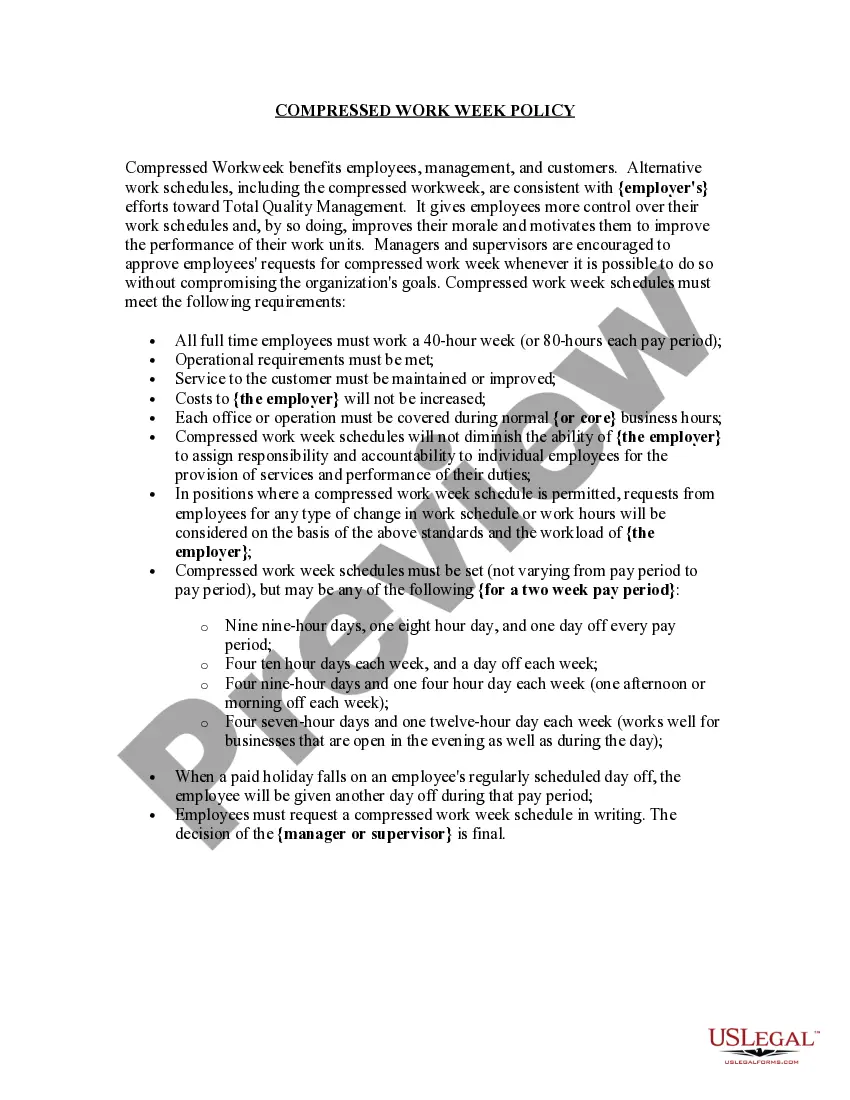
  • Preview Complaint For False Arrest and Imprisonment - 4th and 14th Amendment, US Constitution - Jury Trial Demand
  • Preview Complaint For False Arrest and Imprisonment - 4th and 14th Amendment, US Constitution - Jury Trial Demand

Get your form ready online

Our built-in tools help you complete, sign, share, and store your documents in one place.

Built-in online Word editor

Make edits, fill in missing information, and update formatting in US Legal Forms—just like you would in MS Word.

Export easily

Download a copy, print it, send it by email, or mail it via USPS—whatever works best for your next step.

E-sign your document

Sign and collect signatures with our SignNow integration. Send to multiple recipients, set reminders, and more. Go Premium to unlock E-Sign.

Notarize online 24/7

If this form requires notarization, complete it online through a secure video call—no need to meet a notary in person or wait for an appointment.

Store your document securely

We protect your documents and personal data by following strict security and privacy standards.

Form selector

Make edits, fill in missing information, and update formatting in US Legal Forms—just like you would in MS Word.

Form selector

Download a copy, print it, send it by email, or mail it via USPS—whatever works best for your next step.

Form selector

Sign and collect signatures with our SignNow integration. Send to multiple recipients, set reminders, and more. Go Premium to unlock E-Sign.

Form selector

If this form requires notarization, complete it online through a secure video call—no need to meet a notary in person or wait for an appointment.

Form selector

We protect your documents and personal data by following strict security and privacy standards.

Looking for another form?

This field is required
Ohio
Select state

Form popularity

FAQ

The ultimate goal of this provision is to protect people's right to privacy and freedom from unreasonable intrusions by the government. However, the Fourth Amendment does not guarantee protection from all searches and seizures, but only those done by the government and deemed unreasonable under the law.

Generally, a person has no reasonable expectation of privacy for property and personal effects they hold open to the public. The Fourth Amendment does not protect things that are visible or in "plain view" for a person of ordinary and unenhanced vision.

The Constitution, through the Fourth Amendment, protects people from unreasonable searches and seizures by the government. The Fourth Amendment, however, is not a guarantee against all searches and seizures, but only those that are deemed unreasonable under the law.

—For the Fourth Amendment to apply to a particular set of facts, there must be a “search” and a “seizure,” occurring typically in a criminal case, with a subsequent attempt to use judicially what was seized.

To claim a violation of Fourth Amendment rights as the basis for suppressing relevant evidence, courts have long required that the claimant must prove that they were the victim of an invasion of privacy to have a valid standing.

A key element of the Fourth Amendment was that every search or seizure of an individual's home and property was to be authorized by a judge beforehand, and that the entire operation had to be on the grounds of “probable cause.” This section of the Fourth Amendment was most prominently highlighted in a pair of 20th ...

The Fourth Amendment is very brief. Despite its importance, it's only one sentence long. It has two clauses: the "unreasonable search and seizure" clause and the "warrants" clause.

The right of the people to be secure in their persons, houses, papers, and effects, against unreasonable searches and seizures, shall not be violated, and no Warrants shall issue, but upon probable cause, supported by Oath or affirmation, and particularly describing the place to be searched, and the persons or things ...

The Constitution, through the Fourth Amendment, protects people from unreasonable searches and seizures by the government. The Fourth Amendment, however, is not a guarantee against all searches and seizures, but only those that are deemed unreasonable under the law.

Amendments: In-text citation: (U.S. Const. amend. IV). OR Amendment IV of the U.S. Constitution ... In-text example: The U.S. Constitution protects people from unreasonable searches by the government (U.S. Const. amend. IV).

Trusted and secure by over 3 million people of the world’s leading companies

4th Amendment Rules In Franklin