False Imprisonment With Case Law
Description
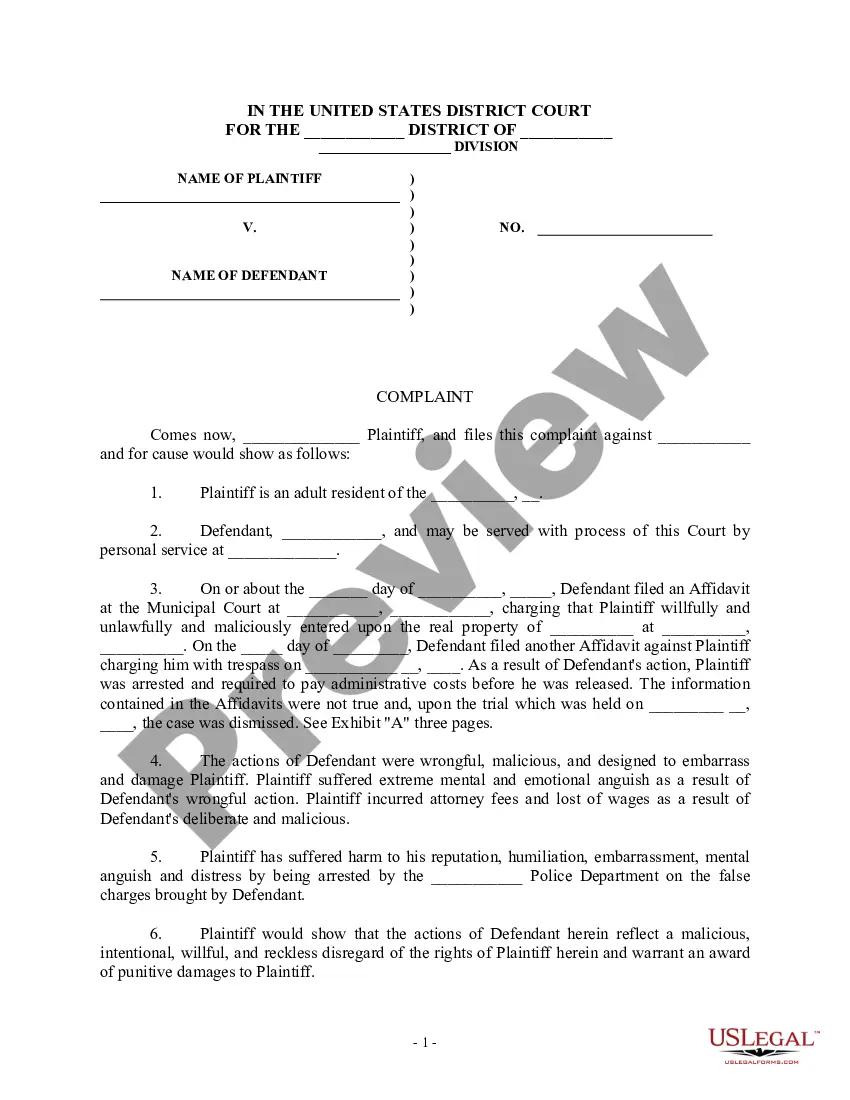
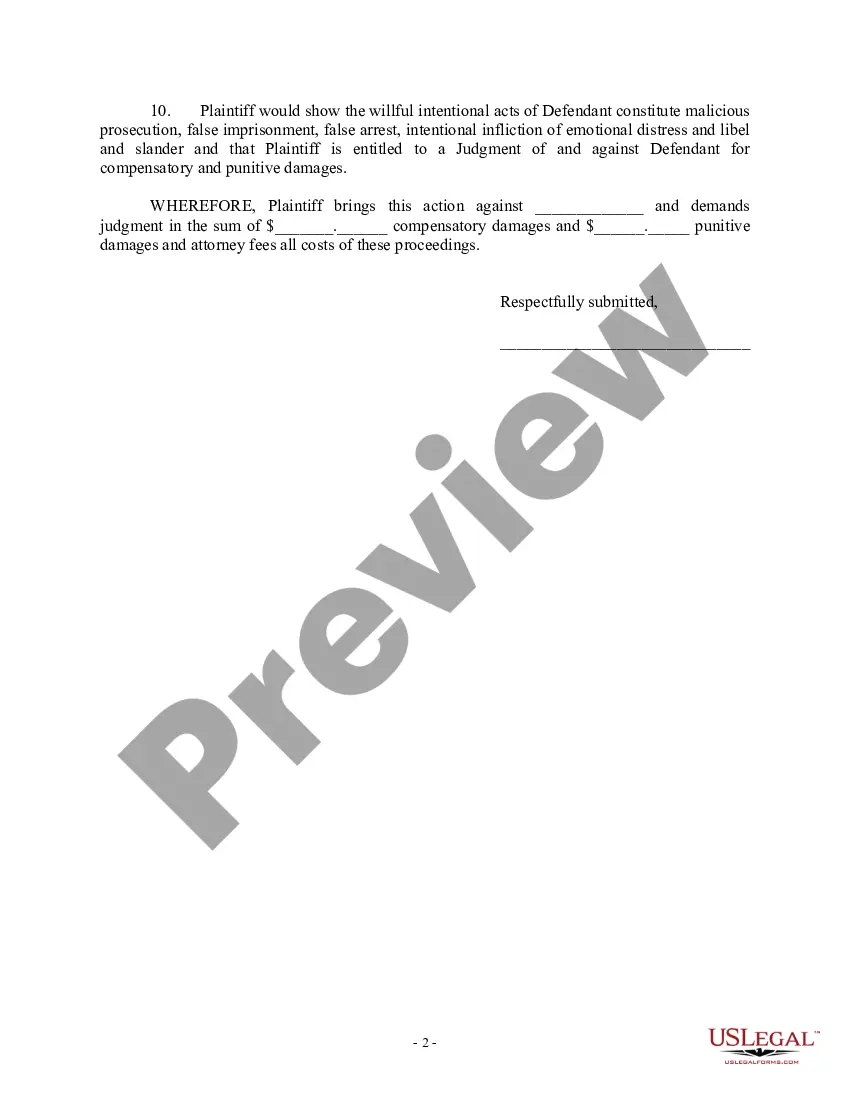
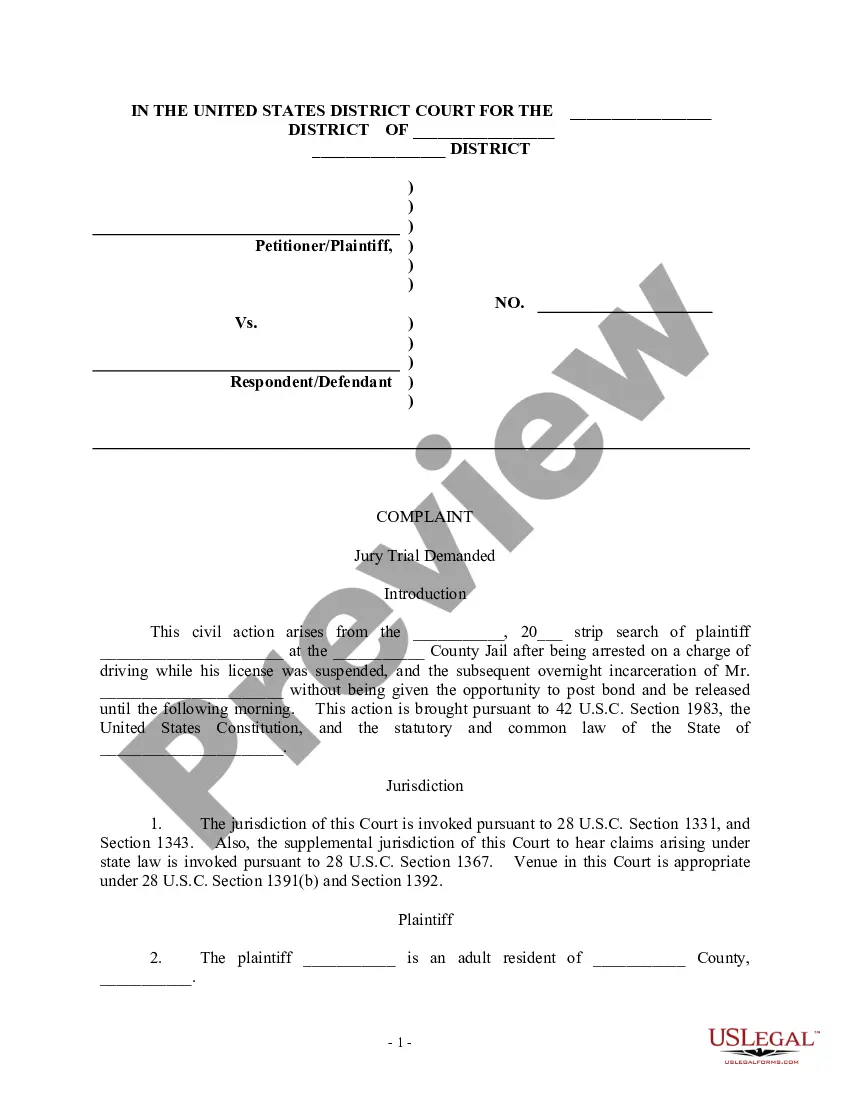
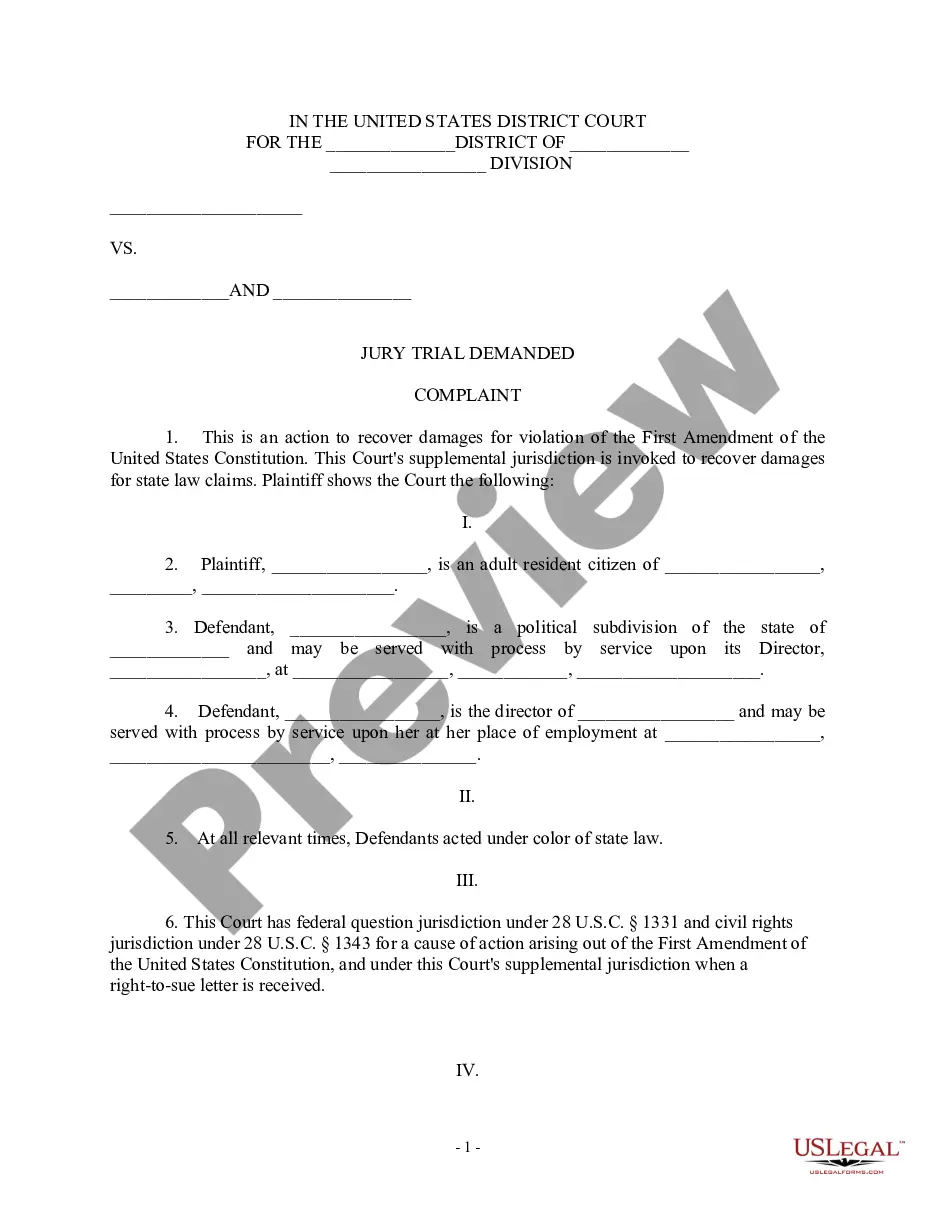
Get your form ready online
Our built-in tools help you complete, sign, share, and store your documents in one place.
Make edits, fill in missing information, and update formatting in US Legal Forms—just like you would in MS Word.
Download a copy, print it, send it by email, or mail it via USPS—whatever works best for your next step.
Sign and collect signatures with our SignNow integration. Send to multiple recipients, set reminders, and more. Go Premium to unlock E-Sign.
If this form requires notarization, complete it online through a secure video call—no need to meet a notary in person or wait for an appointment.
We protect your documents and personal data by following strict security and privacy standards.

Make edits, fill in missing information, and update formatting in US Legal Forms—just like you would in MS Word.

Download a copy, print it, send it by email, or mail it via USPS—whatever works best for your next step.

Sign and collect signatures with our SignNow integration. Send to multiple recipients, set reminders, and more. Go Premium to unlock E-Sign.

If this form requires notarization, complete it online through a secure video call—no need to meet a notary in person or wait for an appointment.

We protect your documents and personal data by following strict security and privacy standards.
Looking for another form?
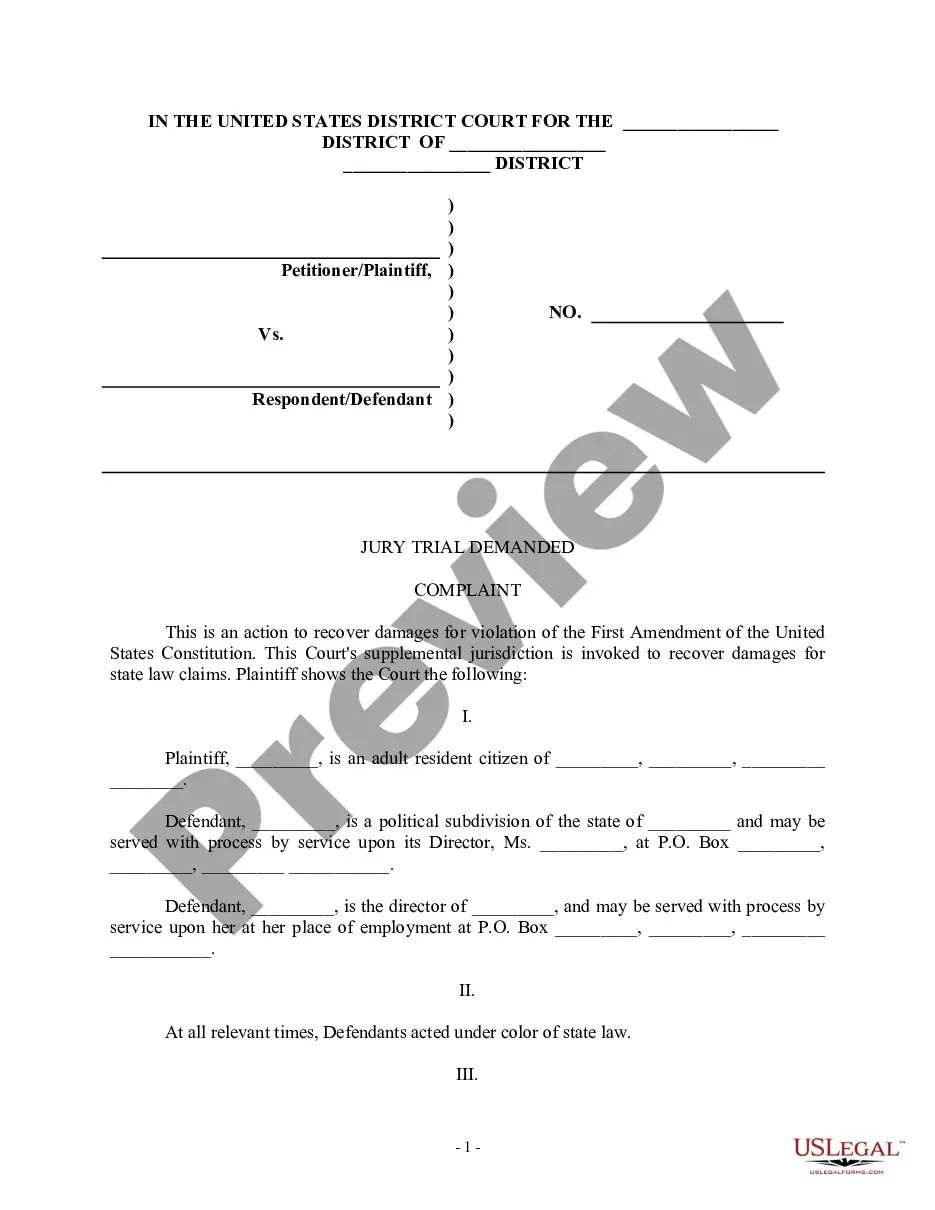
How to fill out Complaint For False Arrest And Imprisonment - 4th And 14th Amendment, US Constitution - Jury Trial Demand?
Accessing legal document examples that adhere to federal and state regulations is crucial, and the internet provides various alternatives to select from.
However, what is the benefit of spending time searching for the appropriately drafted False Imprisonment With Case Law example online when the US Legal Forms online repository already contains such templates compiled in one location.
US Legal Forms is the largest online legal directory featuring over 85,000 fillable documents crafted by lawyers for any business and personal circumstances. They are user-friendly to navigate, with all materials organized by state and intended use. Our experts stay informed with legislative changes, ensuring your documentation is always current and compliant when obtaining a False Imprisonment With Case Law from our site.
Click Buy Now when you’ve identified the correct form and choose a subscription plan. Set up an account or Log In and complete the payment using PayPal or a credit card. Select the appropriate format for your False Imprisonment With Case Law and download it. All documents you find through US Legal Forms are reusable. To re-download and complete previously acquired forms, access the My documents section in your profile. Take advantage of the most comprehensive and user-friendly legal documentation service!
- Acquiring a False Imprisonment With Case Law is quick and straightforward for both existing and new users.
- If you already possess an account with a valid subscription, Log In and download the document sample you require in the appropriate format.
- If you are new to our website, follow the steps listed below.
- Examine the template using the Preview feature or through the text description to verify it suits your needs.
- Search for a different sample utilizing the search tool at the top of the page if necessary.
Form popularity
FAQ
Causation in false imprisonment involves establishing that the actions of the defendant directly led to the plaintiff's unlawful confinement. The plaintiff must show that their freedom was restricted due to the defendant's conduct, which can include physical restraint, psychological coercion, or misleading statements. Addressing causation is vital, as it reinforces the connection between the defendant's actions and the impact on the plaintiff's liberty.
A common defense to false imprisonment with case law is the claim of 'consent.' If the person being detained agreed to the confinement, either explicitly or implicitly, the defendant may assert this as a defense in court. Understanding this aspect is crucial, as it can significantly affect the outcome of a false imprisonment claim.
The justification for false imprisonment typically hinges on the concept of lawful authority. For example, a store owner may detain a suspected shoplifter if they have reasonable grounds to believe a theft occurred. However, without clear evidence or legal backing, such detention can lead to claims of false imprisonment with case law supporting the victim's rights.
There are several actions classified as false imprisonment with case law, including physically restraining someone without consent, using threats to compel a person to remain in a location, and blocking someone's exit from a confined space. Each of these actions restricts an individual's freedom and can lead to legal repercussions. Recognizing these behaviors is essential for both victims and those seeking to understand their rights.
To establish intent for false imprisonment with case law, a plaintiff must demonstrate that the defendant acted purposefully to confine them. This may involve showing that the defendant knowingly restricted the plaintiff's movements without consent or lawful justification. Understanding this aspect is crucial, as it highlights the significance of intent in the legal framework surrounding false imprisonment.
A prominent example of false imprisonment with case law is the case of 'Woodleigh v. Worrell', where a store owner detained a customer without reasonable suspicion of theft. In this instance, the court found that the customer's freedom was restricted unjustifiably, illustrating how false imprisonment can arise in retail settings. It serves as a reminder that anyone can seek justice in cases of wrongful detention.
To make out a prima facie case means to present enough evidence for a court to initially support your claim. In the context of false imprisonment, it involves demonstrating the necessary elements that suggest unlawful confinement occurred. By effectively establishing this foundation, you enable the court to assess the case's merits. Using resources related to false imprisonment with case law can provide valuable insights and examples.
The four essential elements of false imprisonment include: intentional confinement, lack of consent, awareness of confinement, and absence of lawful authority. Each element must be proven to establish a strong case. False imprisonment with case law often highlights these elements through various judicial outcomes, demonstrating how they apply in real-world situations. Familiarity with these principles equips you for legal discussions.
An example of a prima facie case for false imprisonment might involve a store employee who physically restrains a customer due to a suspicion of theft. If the customer can prove they were held without justification and had no means to leave, they establish a basis for their claim. Utilizing false imprisonment with case law can help illustrate similar scenarios, reinforcing the claim's validity. Examples like these are crucial for understanding the concept.
A prima facie case for false imprisonment involves demonstrating that an individual was confined without legal justification. This means showing that the person had no reasonable means of escape and was aware of their confinement. In the context of false imprisonment with case law, presenting relevant cases can greatly enhance your argument. It’s essential for anyone facing such allegations to understand these components.