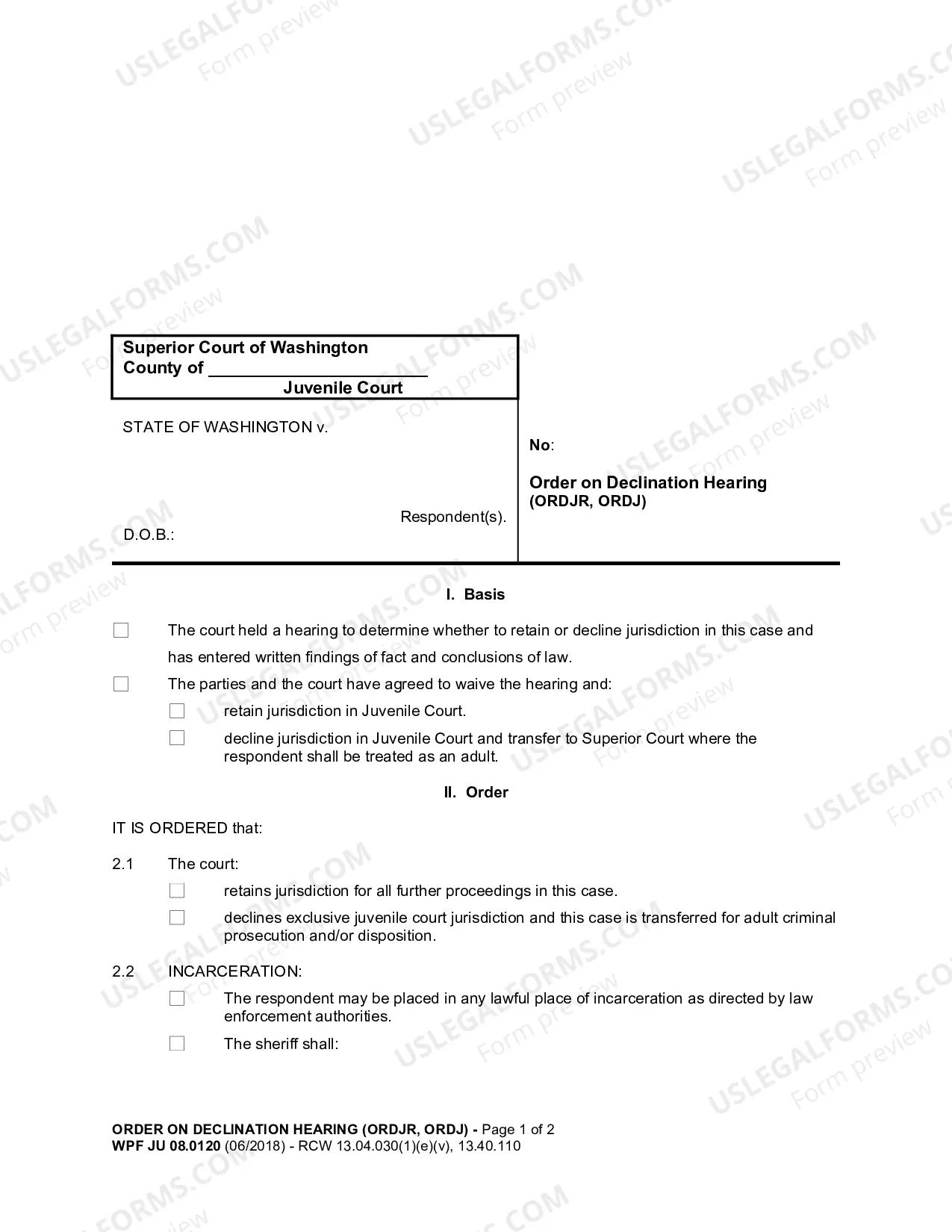
Arrest Form Sentence In California
Description






Get your form ready online
Our built-in tools help you complete, sign, share, and store your documents in one place.
Make edits, fill in missing information, and update formatting in US Legal Forms—just like you would in MS Word.
Download a copy, print it, send it by email, or mail it via USPS—whatever works best for your next step.
Sign and collect signatures with our SignNow integration. Send to multiple recipients, set reminders, and more. Go Premium to unlock E-Sign.
If this form requires notarization, complete it online through a secure video call—no need to meet a notary in person or wait for an appointment.
We protect your documents and personal data by following strict security and privacy standards.

Make edits, fill in missing information, and update formatting in US Legal Forms—just like you would in MS Word.

Download a copy, print it, send it by email, or mail it via USPS—whatever works best for your next step.

Sign and collect signatures with our SignNow integration. Send to multiple recipients, set reminders, and more. Go Premium to unlock E-Sign.

If this form requires notarization, complete it online through a secure video call—no need to meet a notary in person or wait for an appointment.

We protect your documents and personal data by following strict security and privacy standards.
Looking for another form?









Form popularity
FAQ
Misdemeanor arrests should be sealed after 1 year if there are no charges, and felony arrests should be sealed after 3 years if there are no charges. Cases that get dismissed should be cleared immediately. Convictions of cases where you are granted probation should be cleared once the case closes.
As soon as you're booked, the record is there in your state's crime information center. That means a law enforcement officer, or say, your probation officer in another state can know that you were arrested.
California public records, including mugshots, are accessible under the California Public Records Act (CPRA). You probably know that many for-profit websites in the US, including California, now publish arrest records and mugshots online.
How to ask to seal your record. To request sealing, you can use Petition to Seal Arrest and Related Records (Form CR-409), which is translated into Chinese, Korean, Spanish, and Vietnamese. If the order is granted, the judge will use the CR-410 order form. Not all arrests qualify for relief.
California Statute of Limitations Law The range is usually from one year for many misdemeanors, three years for many felonies, to no time limit at all for crimes punishable by death or life in prison. If there is no statute of limitations, the prosecutor may bring charges against someone at any time.
Only the government — not another person or private agency — can file criminal charges against someone. Generally, the District Attorney's Office represents the state and files the charges.
A few months after the defendant is found guilty, they return to court to be sentenced. The judge receives guidance and assistance from several sources in order to sentence a defendant. Congress has established minimum and maximum punishments for many crimes which the judge uses to craft a sentence.
Ankle monitors for alternative sentencing For the most part, the following criteria must be met to qualify for house arrest: You are a nonviolent offender with a low risk level. The sentencing judge does not prohibit your participation in the program. Your sentence involves serving time in a county jail.
What Is the Recommended Procedure for Making a Citizen's Arrest? Clearly communicate to the person you are arresting; Clearly tell them why you are making the arrest; Clearly tell them you have the authority to make the arrest, such as that you observed the crime and.
Probable Cause/Reasonable Cause = Arrest Deputies must be able to articulate specific facts showing: Unusual or suspicious activity related to a criminal act; The suspect being arrested is directly involved in that criminal act; and. There is sufficient probability the person being arrested has committed that crime.
