Event Planner Agreement With Client In Houston
Description

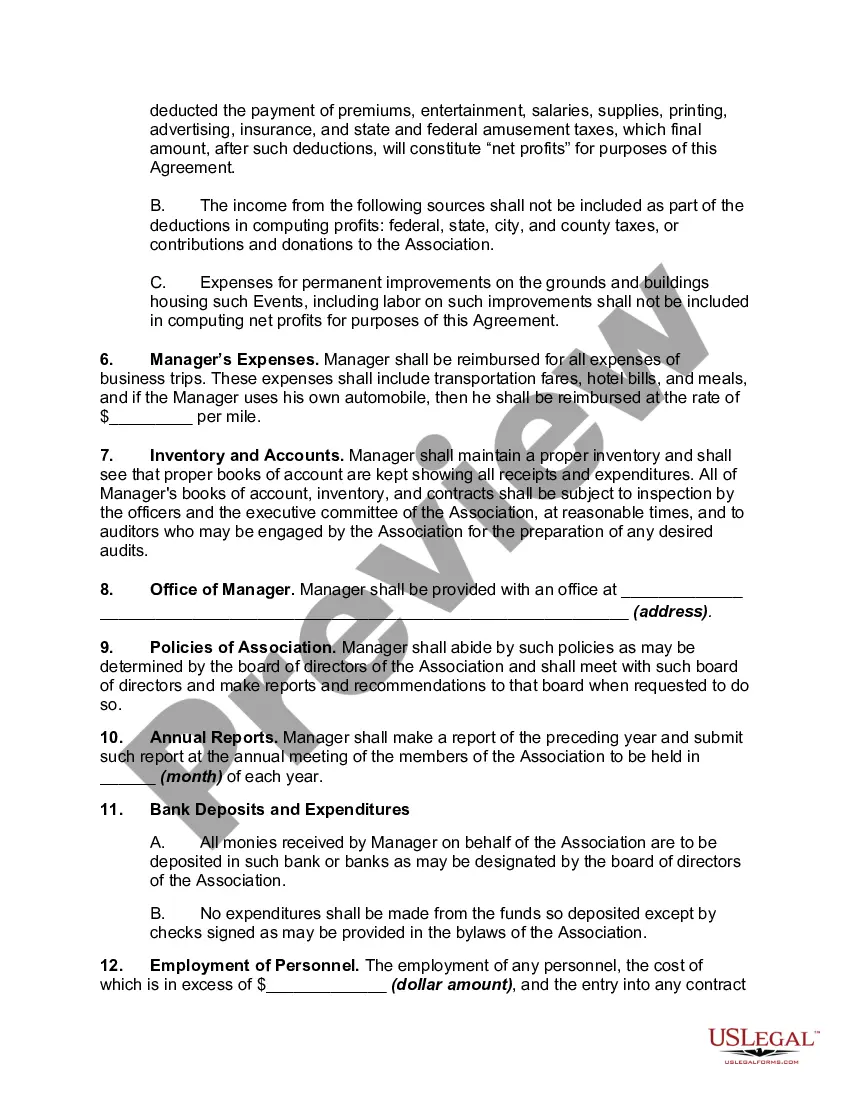
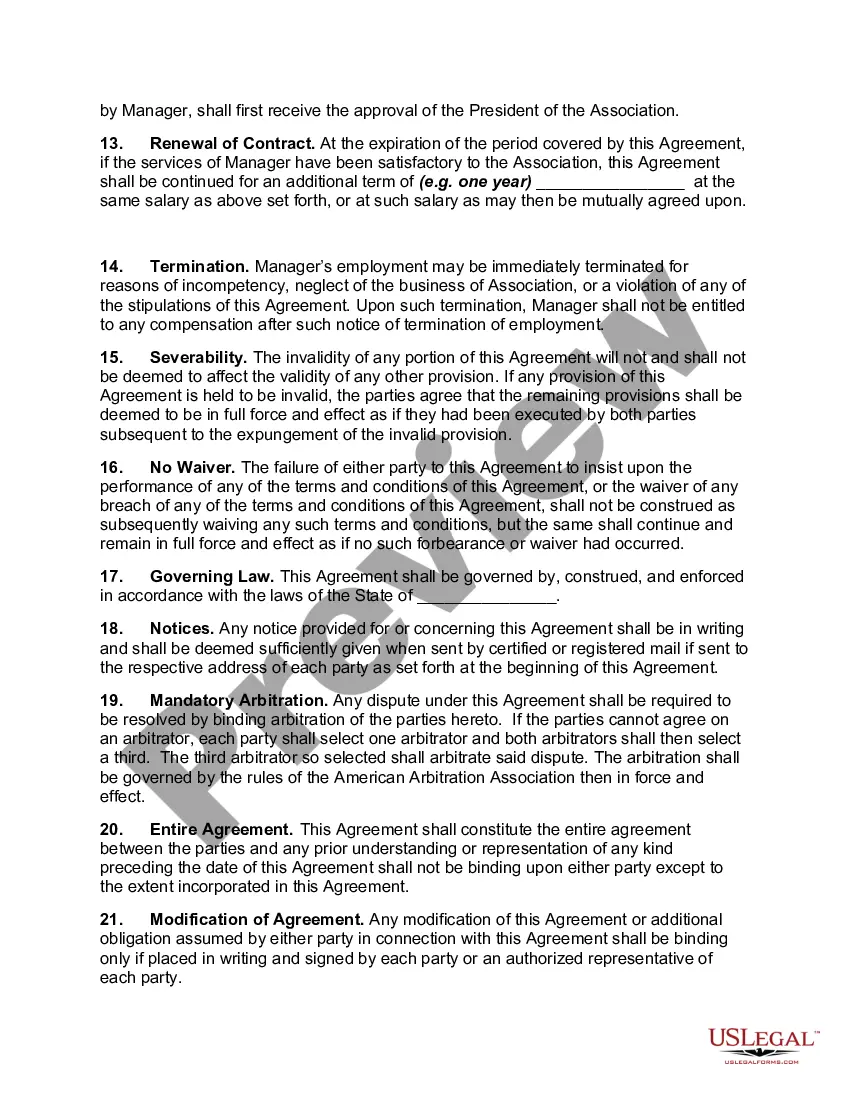
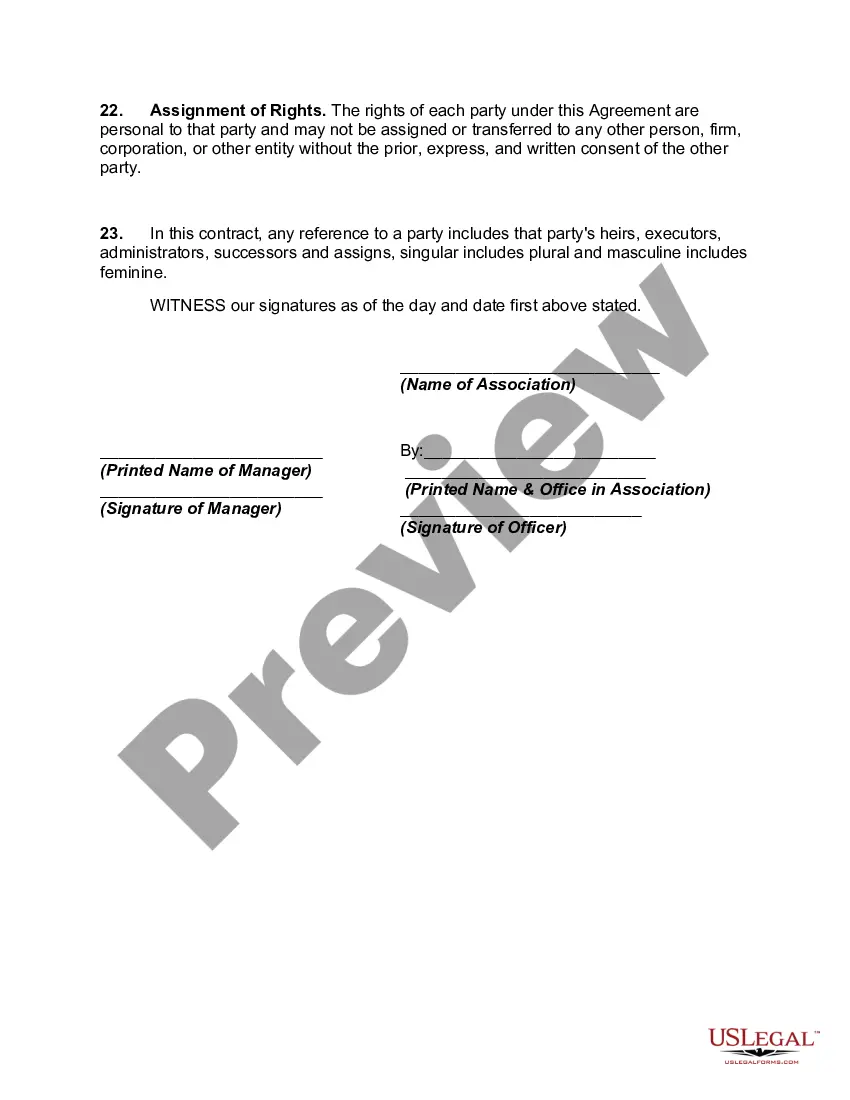
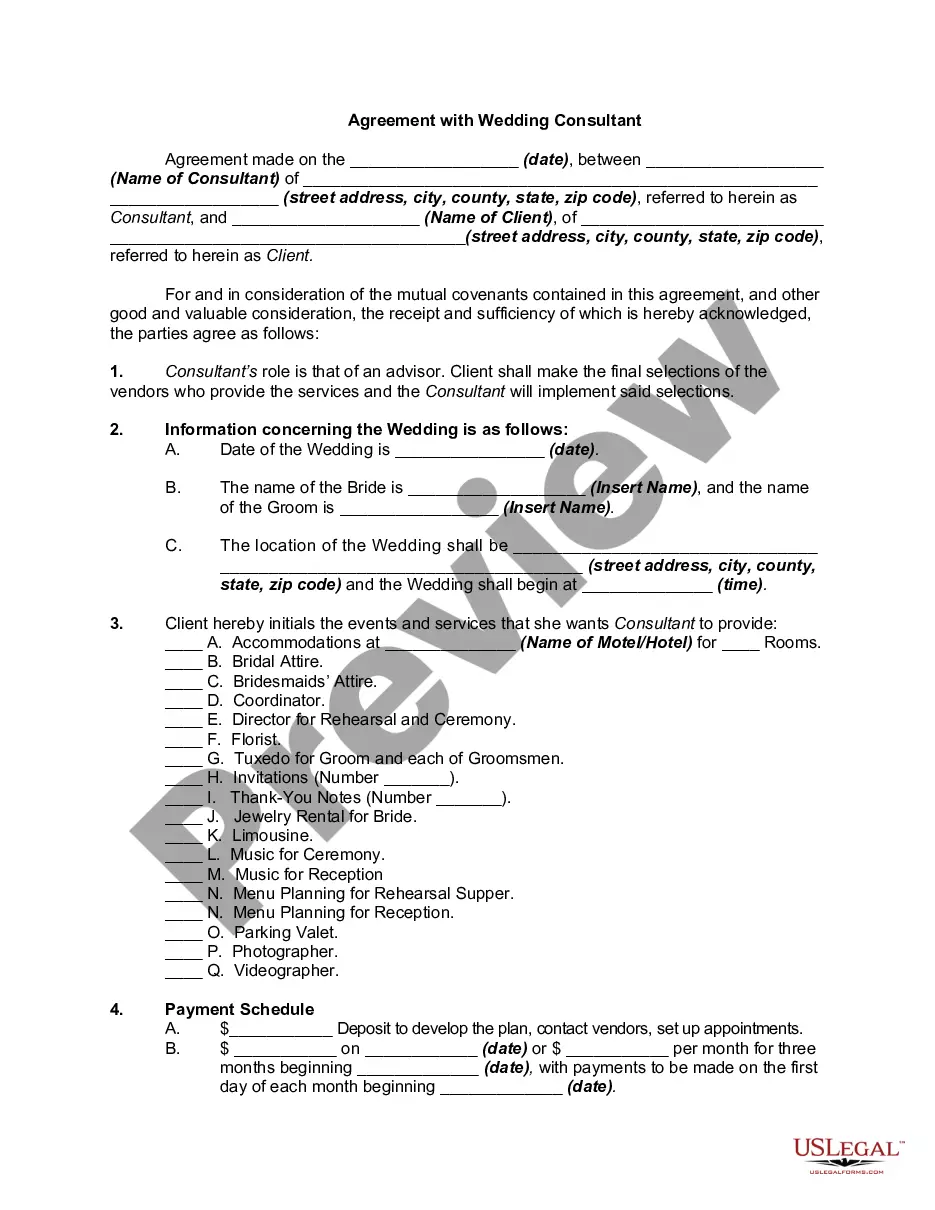
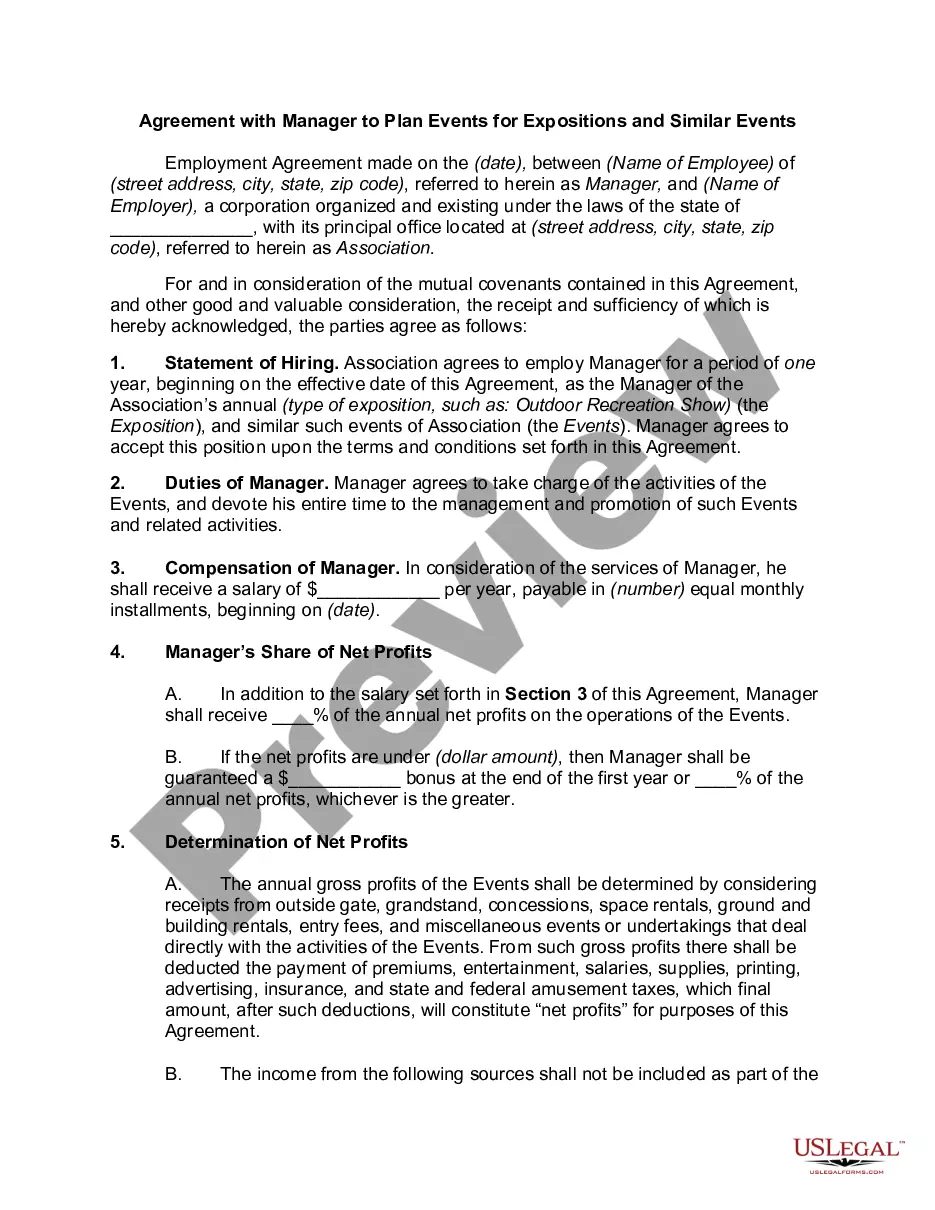
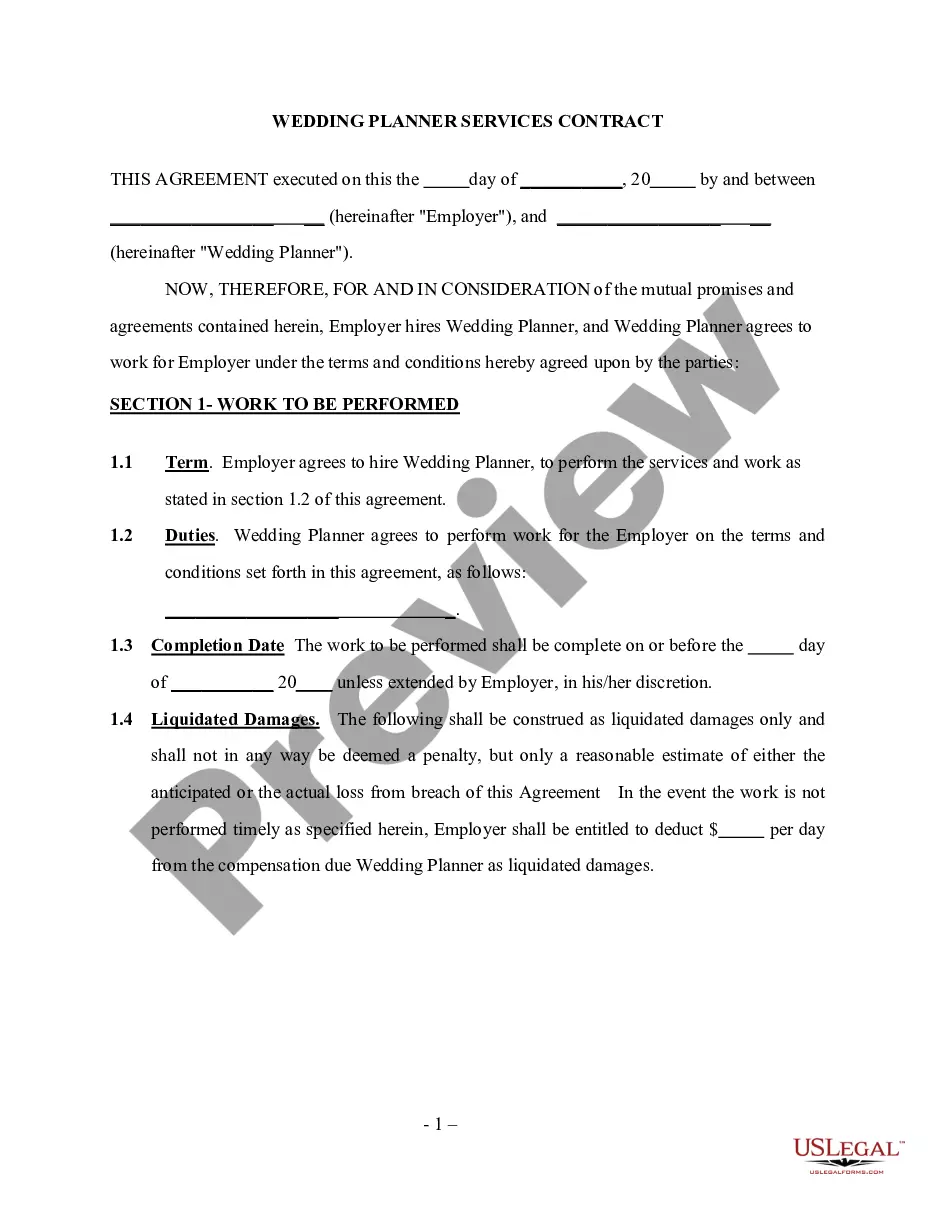
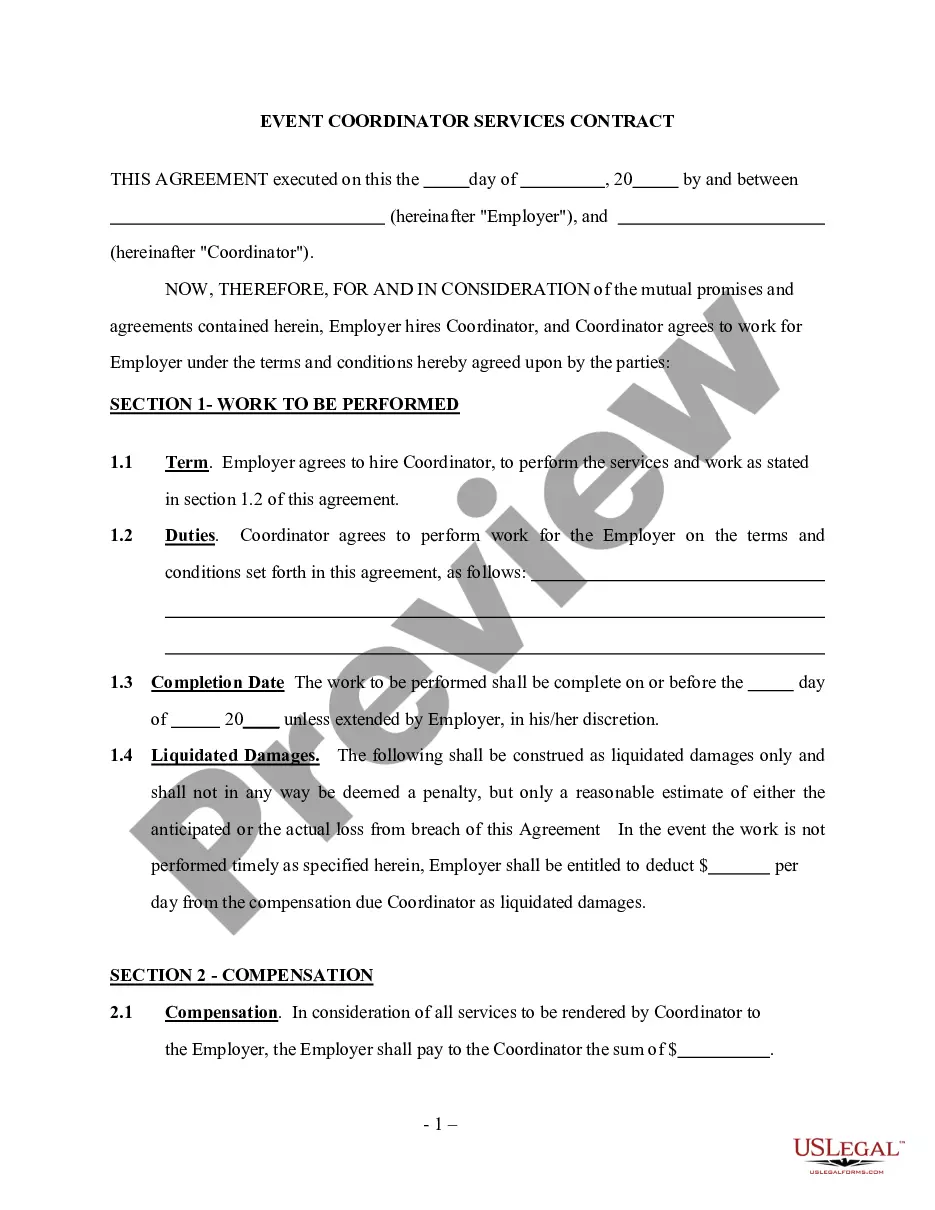
Get your form ready online
Our built-in tools help you complete, sign, share, and store your documents in one place.
Make edits, fill in missing information, and update formatting in US Legal Forms—just like you would in MS Word.
Download a copy, print it, send it by email, or mail it via USPS—whatever works best for your next step.
Sign and collect signatures with our SignNow integration. Send to multiple recipients, set reminders, and more. Go Premium to unlock E-Sign.
If this form requires notarization, complete it online through a secure video call—no need to meet a notary in person or wait for an appointment.
We protect your documents and personal data by following strict security and privacy standards.

Make edits, fill in missing information, and update formatting in US Legal Forms—just like you would in MS Word.

Download a copy, print it, send it by email, or mail it via USPS—whatever works best for your next step.

Sign and collect signatures with our SignNow integration. Send to multiple recipients, set reminders, and more. Go Premium to unlock E-Sign.

If this form requires notarization, complete it online through a secure video call—no need to meet a notary in person or wait for an appointment.

We protect your documents and personal data by following strict security and privacy standards.
Looking for another form?








Form popularity
FAQ
One of the easiest and most effective ways to get your first clients is to start with the people you already know. Reach out to your friends, family, and acquaintances and let them know about your new business. Ask them if they know anyone who is planning an event and might need your services.
As the employers and recruiters who've contributed to this site will testify, you do not need a bachelor's degree to become an event planner. You still need a good standard of education, but in the event planning industry, experience trumps qualifications every time!
You can become an event planner by earning a relevant bachelor's degree or gaining suitable experience in the service industry. While many event planners did not attend college, increased competition in this field has encouraged more aspiring planners to earn degrees.
Your job at its core entails taking complex tasks (event planning) off your clients' hands and turning their wishes into reality. in Texas, you don't need any formal training to become an event planner. However, getting a degree or certification in specific fields will enhance your career journey.
While there isn't really such a thing as a registered event planner in the U.S., an event planning certification will be more recognized in the industry than a certificate.
On average, freelance event planners can earn anywhere from $50 to $150 per hour, depending on their experience, location, and the complexity of the event, ing to Business Yield. For larger events, some planners opt for a percentage model, usually taking 10% to 20% of the total event budget.
Common event requirement categories include: Venue hire. Audio-visual equipment and production. Food and beverage costs. Marketing and promotion. Security and staffing. Keynote speaker or entertainer fees. Transportation and accommodation. Event signage and set design.
