Event Planning Agreement Template With Time Slots In Dallas
Description

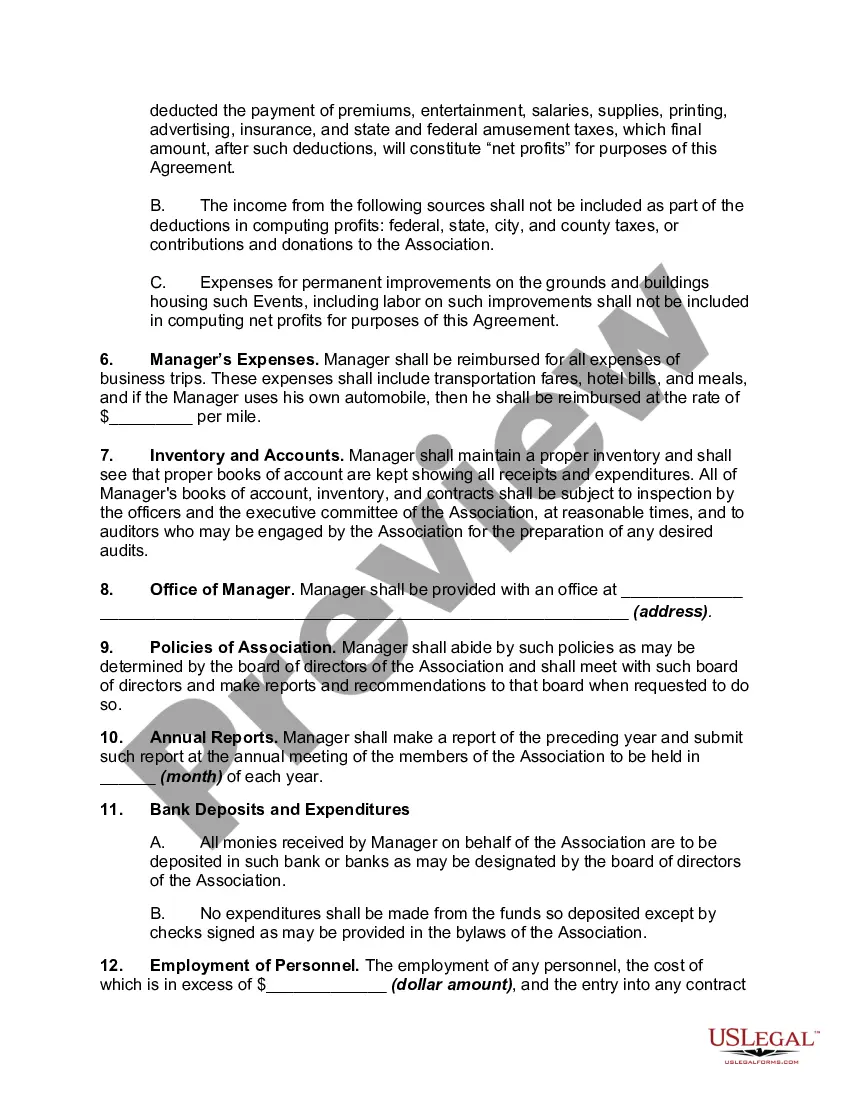
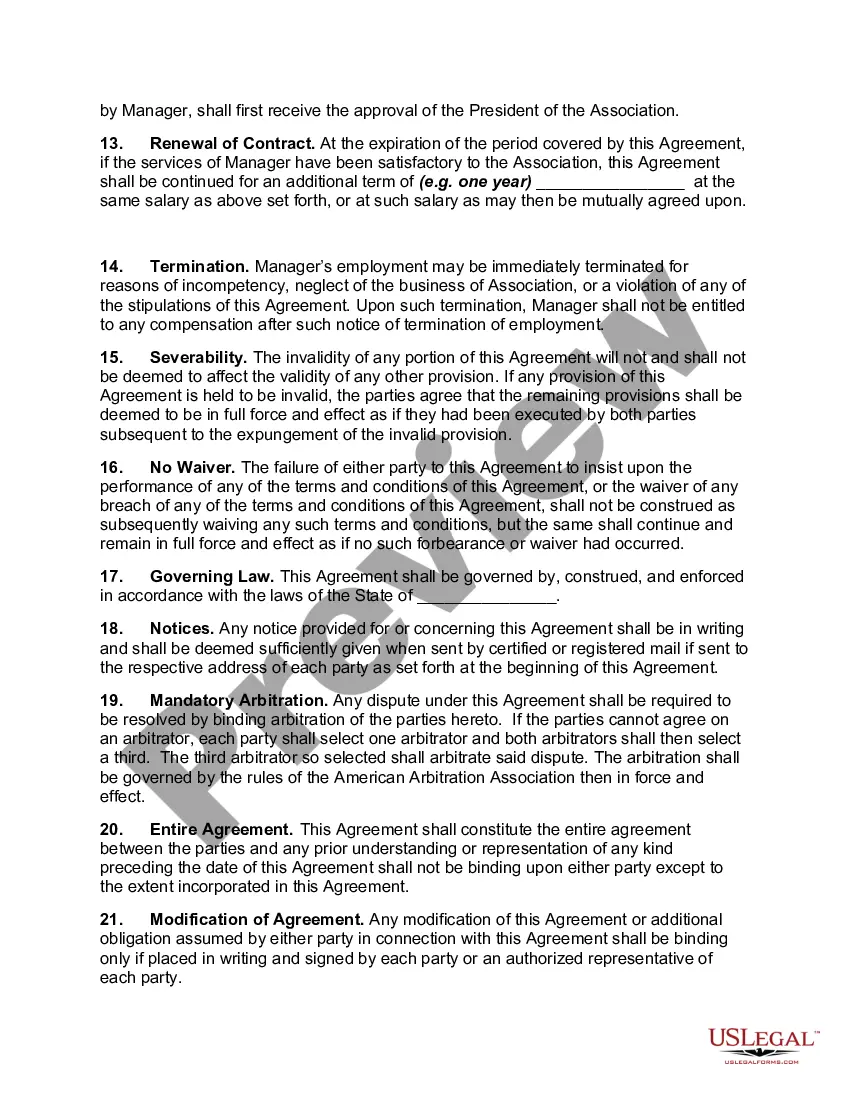
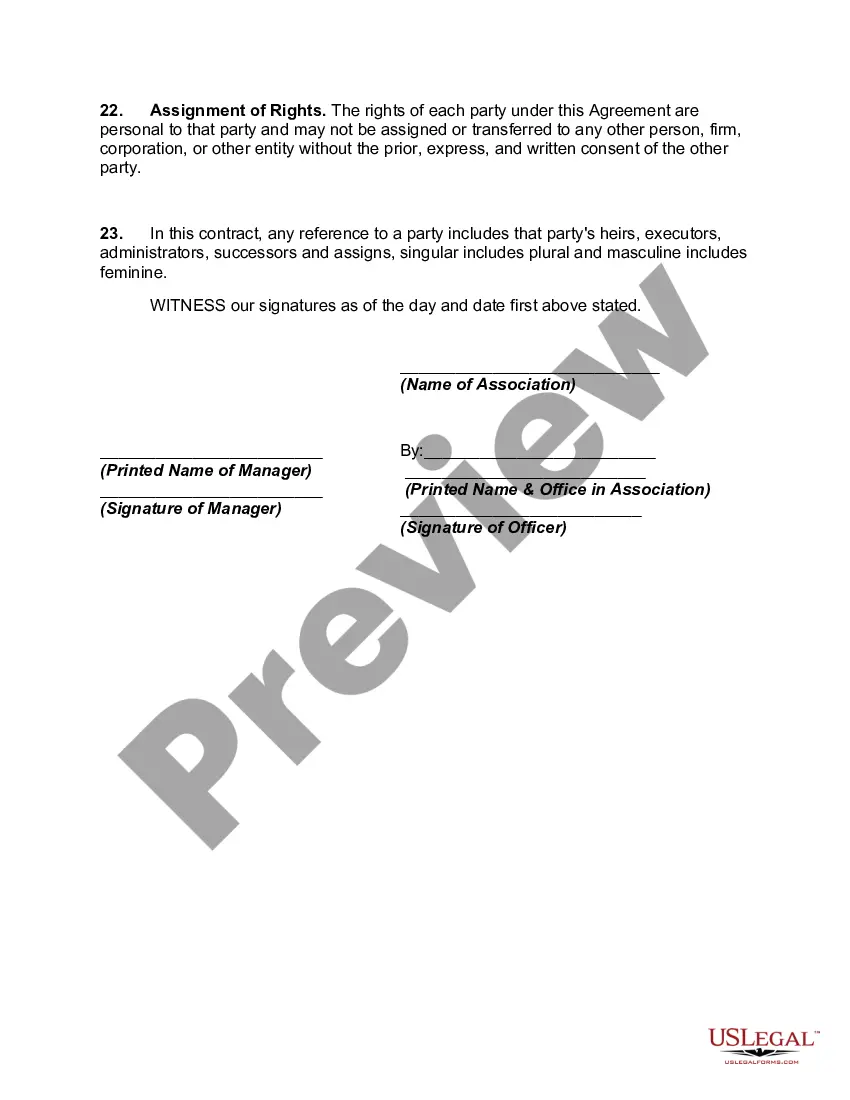
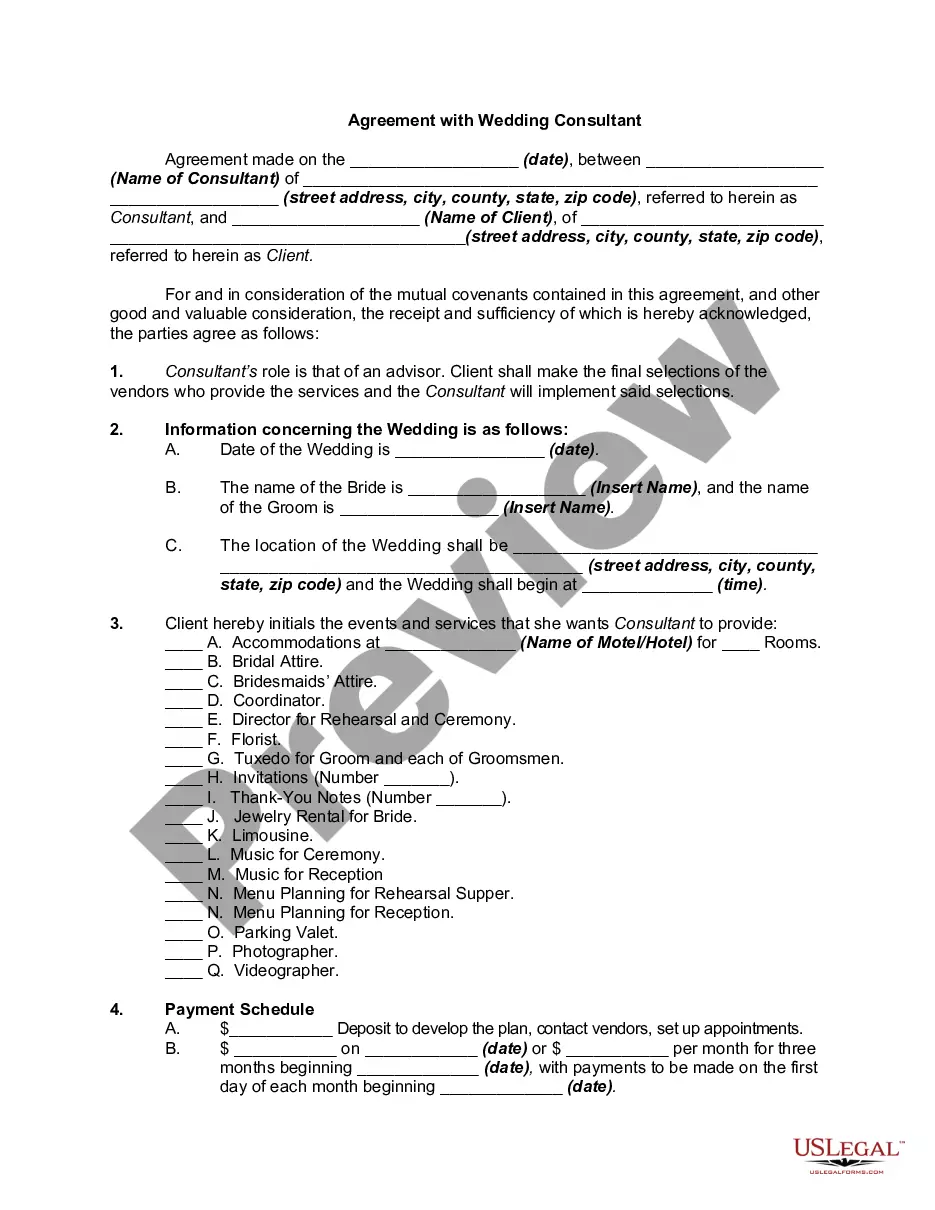
Get your form ready online
Our built-in tools help you complete, sign, share, and store your documents in one place.
Make edits, fill in missing information, and update formatting in US Legal Forms—just like you would in MS Word.
Download a copy, print it, send it by email, or mail it via USPS—whatever works best for your next step.
Sign and collect signatures with our SignNow integration. Send to multiple recipients, set reminders, and more. Go Premium to unlock E-Sign.
If this form requires notarization, complete it online through a secure video call—no need to meet a notary in person or wait for an appointment.
We protect your documents and personal data by following strict security and privacy standards.

Make edits, fill in missing information, and update formatting in US Legal Forms—just like you would in MS Word.

Download a copy, print it, send it by email, or mail it via USPS—whatever works best for your next step.

Sign and collect signatures with our SignNow integration. Send to multiple recipients, set reminders, and more. Go Premium to unlock E-Sign.

If this form requires notarization, complete it online through a secure video call—no need to meet a notary in person or wait for an appointment.

We protect your documents and personal data by following strict security and privacy standards.
Looking for another form?









Form popularity
FAQ
It is important to begin the planning process well in advance of your event. Most events take a minimum of six months to fully plan once conceptualized.
Event Planner Time Estimates Creating a budget: 2-4 hours. Selecting a venue and date: 10-20 hours. Creating or acquiring marketing materials: 8-10 hours. Developing a registration process: 5-8 hours. Planning the event logistics: 20-30 hours. Coordinating with vendors: 10-15 hours. Running the event: varies.
In summary, the success of an event is determined by the following five essential event management elements: concept, coordination, control, culmination, and closeout. You can ensure that your event is well-organized, well-executed, and memorable for your attendees by incorporating these elements into your planning.
Event Management Process: The Five Stages of Event Planning Set ROI-Driven Event Goals and Objectives. The event's over, and you deem it a success. Create a Solid Event Budget. Design and Plan a Memorable Event. Coordinate the Day of the Event. Evaluate Your Event's Performance and Power Future Events.
7 Steps To Planning & Managing An Event Step 1: Define Your Event Goals and Objectives. Step 2: Organize Your Team. Step 3: Set a Budget. Step 4: Choose Your Event Date and Venue. Step 5: Plan Event Details. Step 6: Market and Promote the Event. Step 7: Execute and Manage the Event.
That period of time, in the event planning world, is often 6 to 12 months total. It sounds like a wide range, and that's to account for complexity and size. Six months might be a long timeline for relatively simple events; 12 months might be appropriate for a large-scale event with thousands of attendees.
You can find part-time event coordinator positions with various companies that host events, charities and nonprofit organizations, and event planning companies.
How to create a template for event planning Identify the goals for the event. The goals for the event illustrate what you hope to accomplish during and after the function. Establish a budget. Set a timeline. Highlight relationships with third parties. Choose a marketing strategy. Make a post-event agenda.
Event Proposal Template Example Executive Summary. Provide a brief overview of the event, including its purpose and how it aligns with the client's goals or objectives. Introduction. Event Details. Event Vision. Proposed Services. Event Technology Integration. Portfolio. Budget Overview.
