Complaint Responsibility File For Wrongful Termination In Wake
Description

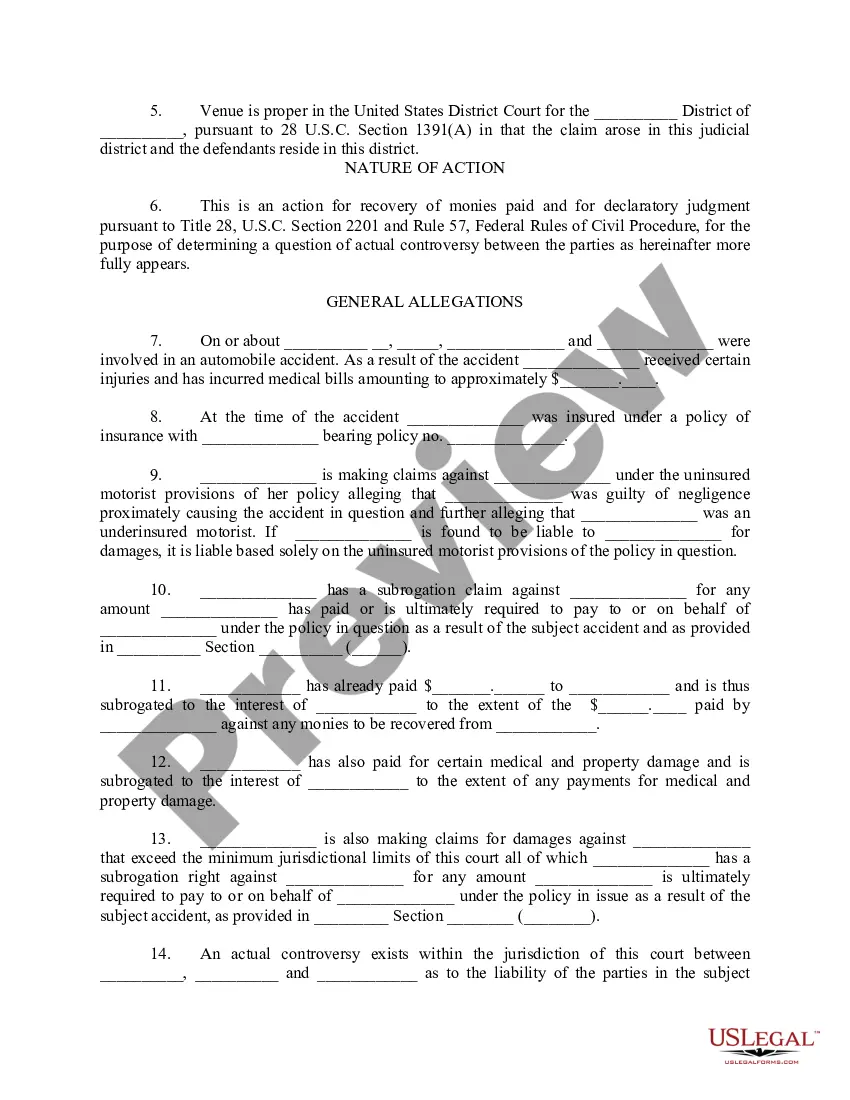



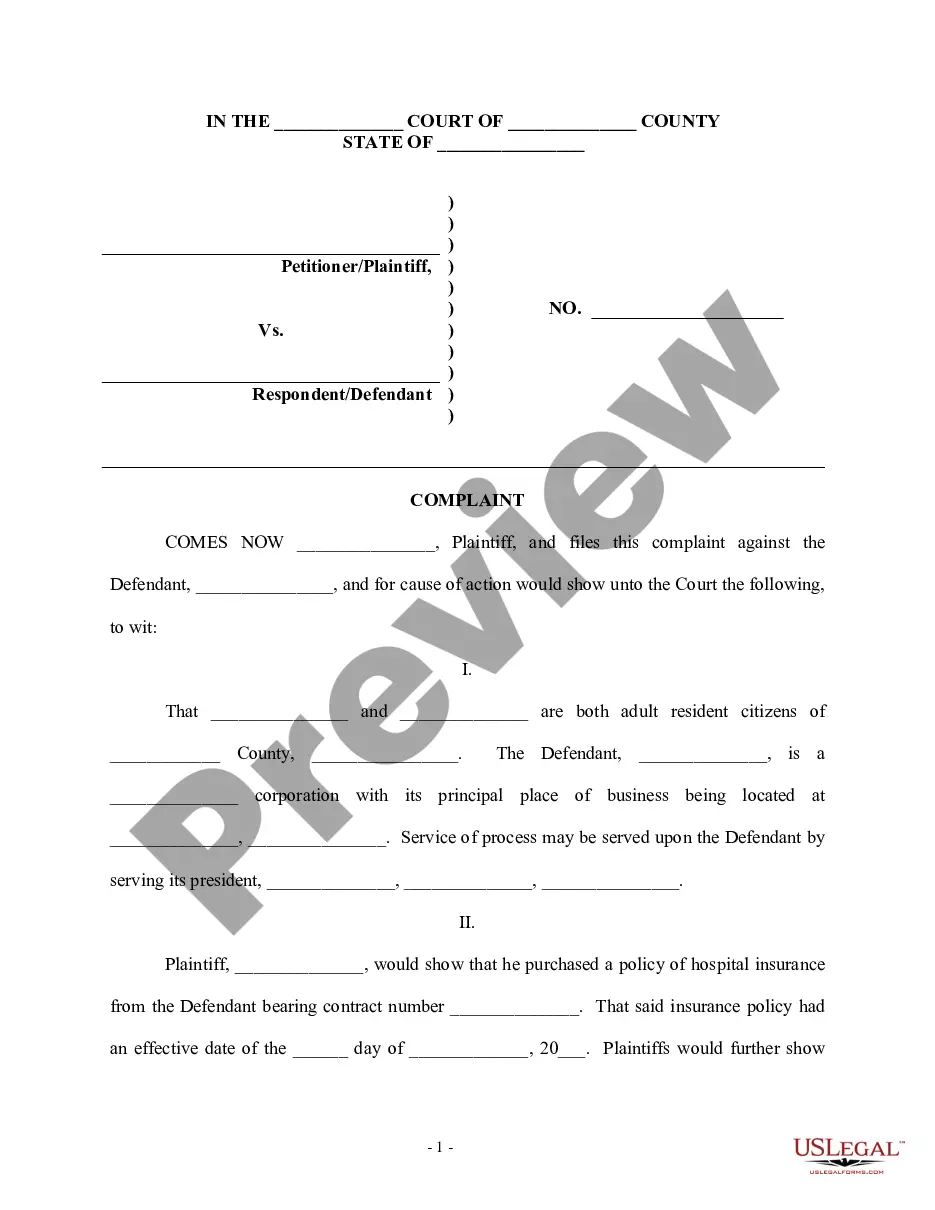
Get your form ready online
Our built-in tools help you complete, sign, share, and store your documents in one place.
Make edits, fill in missing information, and update formatting in US Legal Forms—just like you would in MS Word.
Download a copy, print it, send it by email, or mail it via USPS—whatever works best for your next step.
Sign and collect signatures with our SignNow integration. Send to multiple recipients, set reminders, and more. Go Premium to unlock E-Sign.
If this form requires notarization, complete it online through a secure video call—no need to meet a notary in person or wait for an appointment.
We protect your documents and personal data by following strict security and privacy standards.

Make edits, fill in missing information, and update formatting in US Legal Forms—just like you would in MS Word.

Download a copy, print it, send it by email, or mail it via USPS—whatever works best for your next step.

Sign and collect signatures with our SignNow integration. Send to multiple recipients, set reminders, and more. Go Premium to unlock E-Sign.

If this form requires notarization, complete it online through a secure video call—no need to meet a notary in person or wait for an appointment.

We protect your documents and personal data by following strict security and privacy standards.
Looking for another form?





Form popularity
FAQ
Give details about your dispute. Tell the reason you believe you were terminated. Tell any contract or policy provisions that were violated. Tell about any incidents that indicate you were terminated for a prohibited reason. Discuss any documentation you have that support your position.
Wrongful termination cases can be difficult to win since the employee must provide evidence that their discharge was unlawful. Although assembling solid proof and hiring legal counsel improves the odds, employers frequently contend the dismissal was justified due to performance-related issues.
When you have a lawyer for a wrongful termination case the likelihood of receiving compensation is 64% and the likelihood of receiving compensation without a lawyer is 30%.
Although employers may legally let employees go from their jobs for no reason (when employment is “at will”), it is against federal and state laws to fire someone because of their race, ethnicity, country of origin, gender or sexual orientation, age and/or disability.
California wrongful termination occurs when a person has been fired or laid off while exercising their legal work rights and duties, or acting in obligation to public safety. This happens when an employee is fired by an employer while refusing to violate a statute or performing a work requirement.
Proving a case of wrongful termination involves presenting compelling evidence, such as the following: Employment Records: Maintain detailed records of employment, including performance evaluations, commendations, and any documents indicating positive job performance.
