Declaratory Judgment Statute Of Limitations In Utah
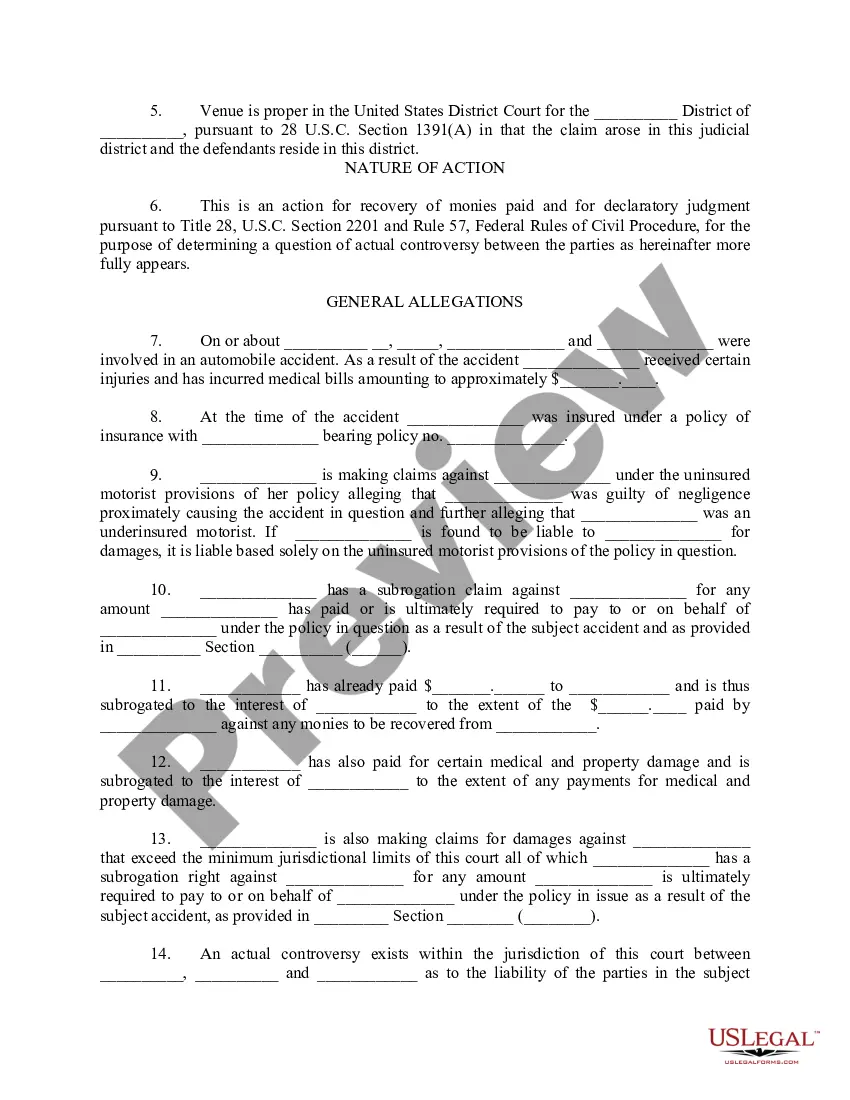
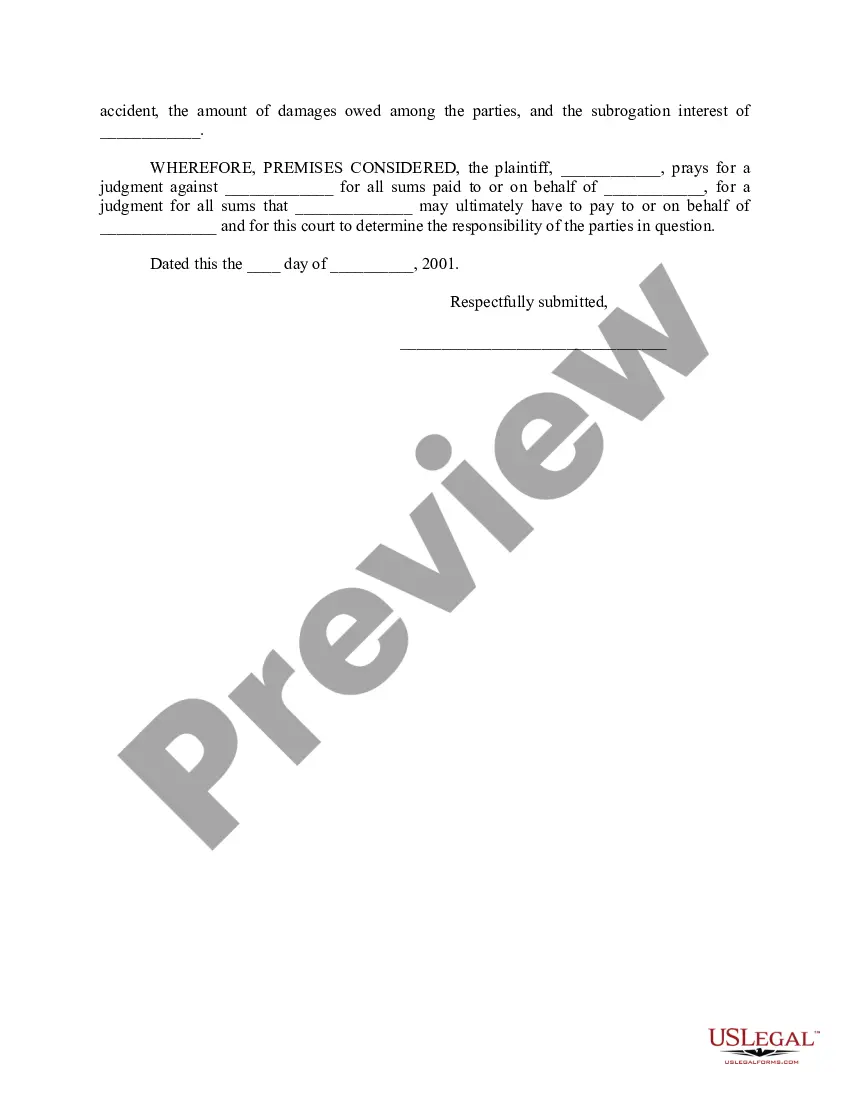
Description




Get your form ready online
Our built-in tools help you complete, sign, share, and store your documents in one place.
Make edits, fill in missing information, and update formatting in US Legal Forms—just like you would in MS Word.
Download a copy, print it, send it by email, or mail it via USPS—whatever works best for your next step.
Sign and collect signatures with our SignNow integration. Send to multiple recipients, set reminders, and more. Go Premium to unlock E-Sign.
If this form requires notarization, complete it online through a secure video call—no need to meet a notary in person or wait for an appointment.
We protect your documents and personal data by following strict security and privacy standards.

Make edits, fill in missing information, and update formatting in US Legal Forms—just like you would in MS Word.

Download a copy, print it, send it by email, or mail it via USPS—whatever works best for your next step.

Sign and collect signatures with our SignNow integration. Send to multiple recipients, set reminders, and more. Go Premium to unlock E-Sign.

If this form requires notarization, complete it online through a secure video call—no need to meet a notary in person or wait for an appointment.

We protect your documents and personal data by following strict security and privacy standards.
Looking for another form?





Form popularity
FAQ
Some crimes have no statutes of limitations. For example, murder typically has none. Sexual crimes against minors and violent crimes have none in many states. In some states, crimes that involve public funds have no statutes of limitations.
Declaratory judgments are conclusive and legally binding, but do not have preclusive effect if: A later lawsuit involves issues other than those specifically litigated and ruled on in the declaratory judgment action.
The statute of limitations for some cases is as short as six months, while some serious criminal offenses have no limit and can be filed at any time, even decades after the crime occurred. Most statutes of limitation range from one to eight years.
Criminal Statutes of Limitation in Utah Capital felony: No time limit. Aggravated murder: No time limit. Murder: No time limit. Manslaughter: No time limit. Child abuse homicide: No time limit. Aggravated kidnapping: No time limit. Child kidnapping: No time limit. Rape: No time limit.
(c)Fraud, conversion, conviction of a serious crime, and concealment. There is no statute of limitations for misconduct alleging fraud, conversion, or conviction of a serious crime, or for alleged misconduct concealed by the lawyer.
The statute of limitations for some cases is as short as six months, while some serious criminal offenses have no limit and can be filed at any time, even decades after the crime occurred. Most statutes of limitation range from one to eight years.
Tolling of the Statute of Limitations Code SectionsUtah Code Title 78B: Judicial Code, Chapter 2: Statute of Limitations Injury to Person Four years (U.C.A. § 78B-2-307) Injury to Personal Property Three years (U.C.A. § 78B-2-305) Injury to Real Property or Trespass Three years (U.C.A. § 78B-2-305)8 more rows
To bring a claim for declaratory judgment in a situation where a patent dispute may exist or develop, the claimant must establish that an actual controversy exists. If there is a substantial controversy of sufficient immediacy and reality, the court will generally proceed with the declaratory-judgment action.
A declaratory judgment is a binding judgment from a court defining the legal relationship between parties and their rights in a matter before the court. When there is uncertainty as to the legal obligations or rights between two parties, a declaratory judgment offers an immediate means to resolve this uncertainty.
