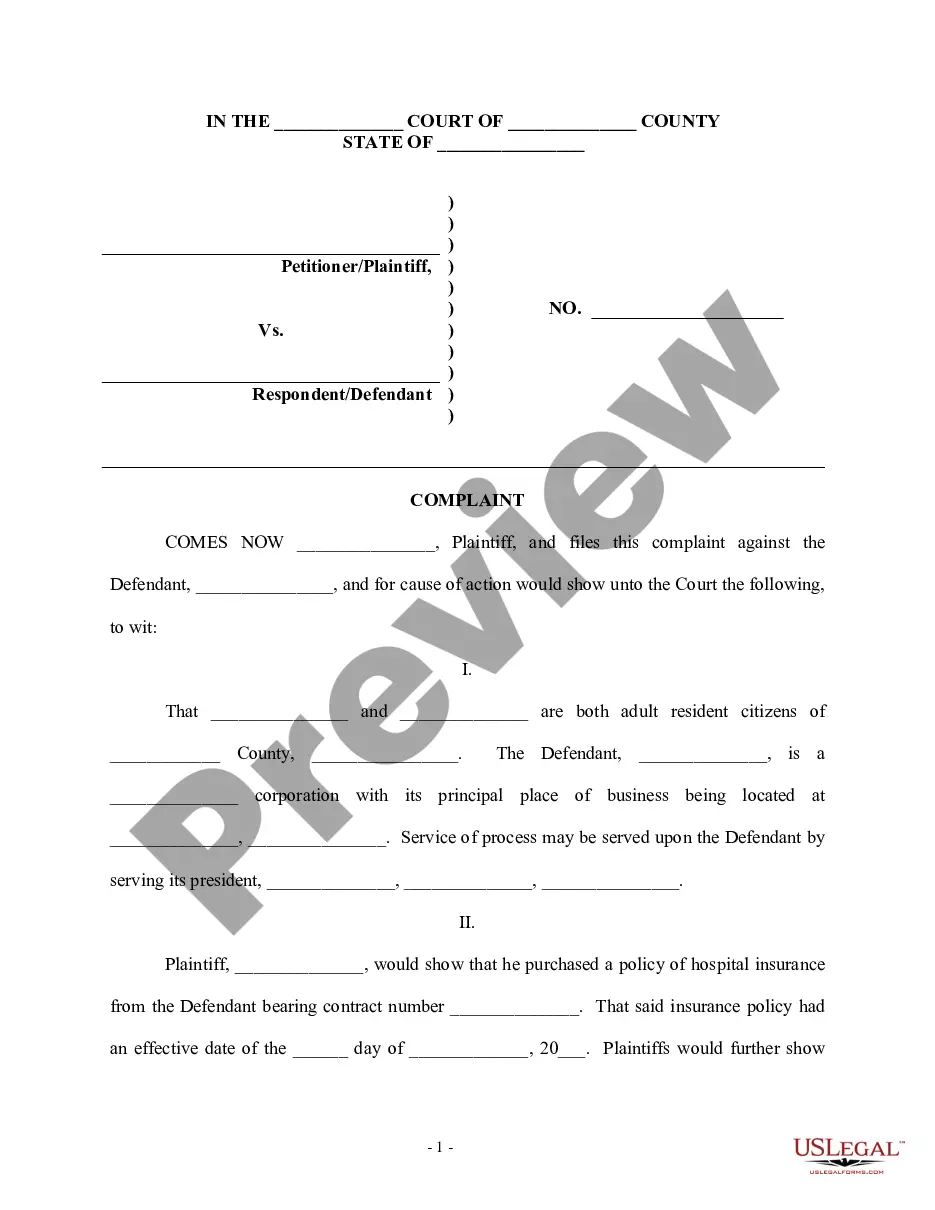
Declaratory Judgment Form Texas Without A Lawyer In Texas
Description




Get your form ready online
Our built-in tools help you complete, sign, share, and store your documents in one place.
Make edits, fill in missing information, and update formatting in US Legal Forms—just like you would in MS Word.
Download a copy, print it, send it by email, or mail it via USPS—whatever works best for your next step.
Sign and collect signatures with our SignNow integration. Send to multiple recipients, set reminders, and more. Go Premium to unlock E-Sign.
If this form requires notarization, complete it online through a secure video call—no need to meet a notary in person or wait for an appointment.
We protect your documents and personal data by following strict security and privacy standards.

Make edits, fill in missing information, and update formatting in US Legal Forms—just like you would in MS Word.

Download a copy, print it, send it by email, or mail it via USPS—whatever works best for your next step.

Sign and collect signatures with our SignNow integration. Send to multiple recipients, set reminders, and more. Go Premium to unlock E-Sign.

If this form requires notarization, complete it online through a secure video call—no need to meet a notary in person or wait for an appointment.

We protect your documents and personal data by following strict security and privacy standards.
Looking for another form?






Form popularity
FAQ
There's no law to stop you from representing yourself in Texas. However, working with a lawyer can make the process of securing compensation for your losses less stressful.
Simply cite the law and make your argument and if you can, show that the other side is misstating evidence or the law. Be courteous with all court staff. Be courteous to witnesses and jurors. Look jurors in the eye. Prepare and be ready. Know where your exhibits are. Have your exhibits marked and ready to offer.
Don't lie about anything, not even white small lies. If you are discovered to be lying, the judge may find it hard to believe you when you are telling the truth. Don't argue with the questioner. Don't ask questions back: “What would you do if…”
Seven Tips When Representing Yourself In Court Make a good impression. If you dress nicely, it tells the judge that you respect the courtroom and care about your case. Be respectful. Know what to ask. Arrive early. Tell your story. Come prepared. Use a lawyer if you need help.
Seven Tips When Representing Yourself In Court Make a good impression. If you dress nicely, it tells the judge that you respect the courtroom and care about your case. Be respectful. Know what to ask. Arrive early. Tell your story. Come prepared. Use a lawyer if you need help.
If you were sued for collection of a debt, there is an Answer form on Texas Appleseed's website, . If you are using eFile Texas, there is an Answer form on the eFile Texas Self Help website. File a Counter-Petition if you want to make your own claims against the Petitioner.
Has Anyone Ever Won a Court Case Representing Themselves? Litigants have won court cases when they represent themselves. But pro se litigants are more likely to lose than win their cases.
The statute of limitations for breach of contract and the declaratory judgment is generally four years from the date of the accident. The Personal Injury Trial Law protection claim statute of limitations is often defined by an insurance contract.
To bring a claim for declaratory judgment in a situation where a patent dispute may exist or develop, the claimant must establish that an actual controversy exists. If there is a substantial controversy of sufficient immediacy and reality, the court will generally proceed with the declaratory-judgment action.