Complaint Responsibility Filed With The Court In Pima
Description




Get your form ready online
Our built-in tools help you complete, sign, share, and store your documents in one place.
Make edits, fill in missing information, and update formatting in US Legal Forms—just like you would in MS Word.
Download a copy, print it, send it by email, or mail it via USPS—whatever works best for your next step.
Sign and collect signatures with our SignNow integration. Send to multiple recipients, set reminders, and more. Go Premium to unlock E-Sign.
If this form requires notarization, complete it online through a secure video call—no need to meet a notary in person or wait for an appointment.
We protect your documents and personal data by following strict security and privacy standards.

Make edits, fill in missing information, and update formatting in US Legal Forms—just like you would in MS Word.

Download a copy, print it, send it by email, or mail it via USPS—whatever works best for your next step.

Sign and collect signatures with our SignNow integration. Send to multiple recipients, set reminders, and more. Go Premium to unlock E-Sign.

If this form requires notarization, complete it online through a secure video call—no need to meet a notary in person or wait for an appointment.

We protect your documents and personal data by following strict security and privacy standards.
Looking for another form?








Form popularity
FAQ
After receiving the complaint, the court will issue a summons. A summons notifies the defendant that they're being sued and includes the following information: Who is suing you and their attorney's information. Case details including the type of case, judge, and court.
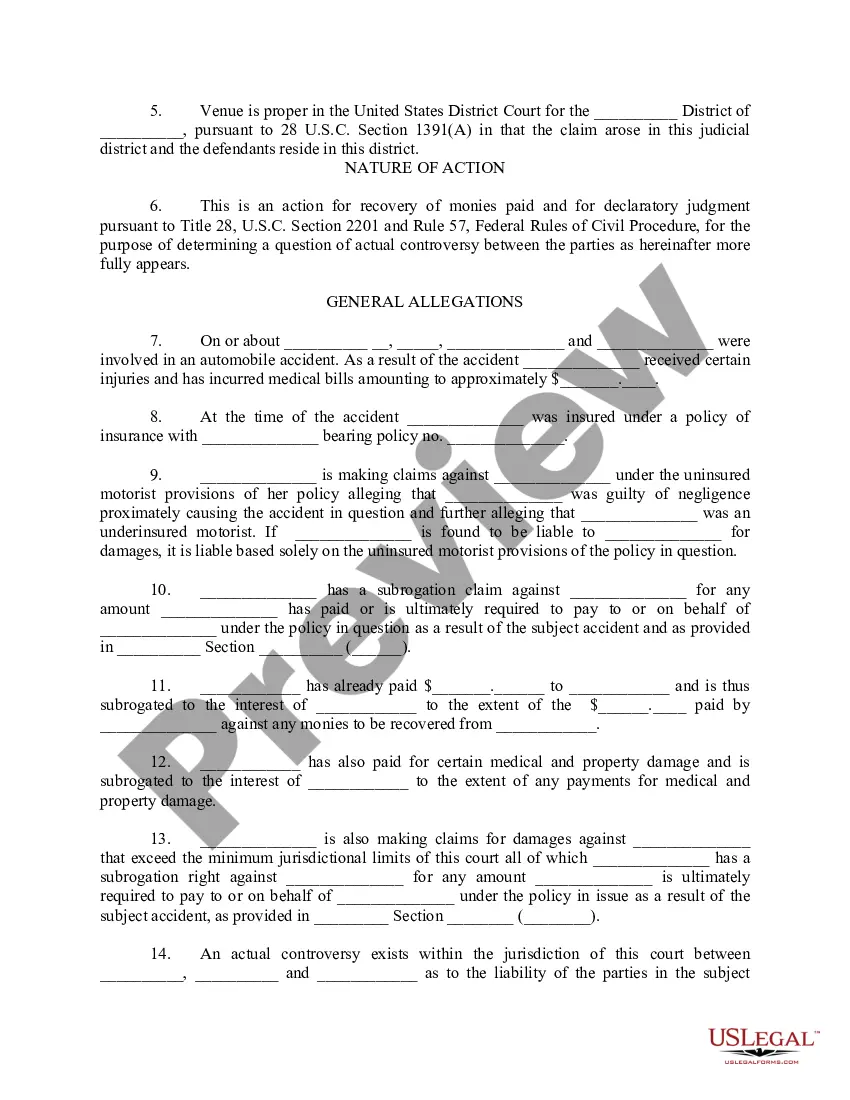
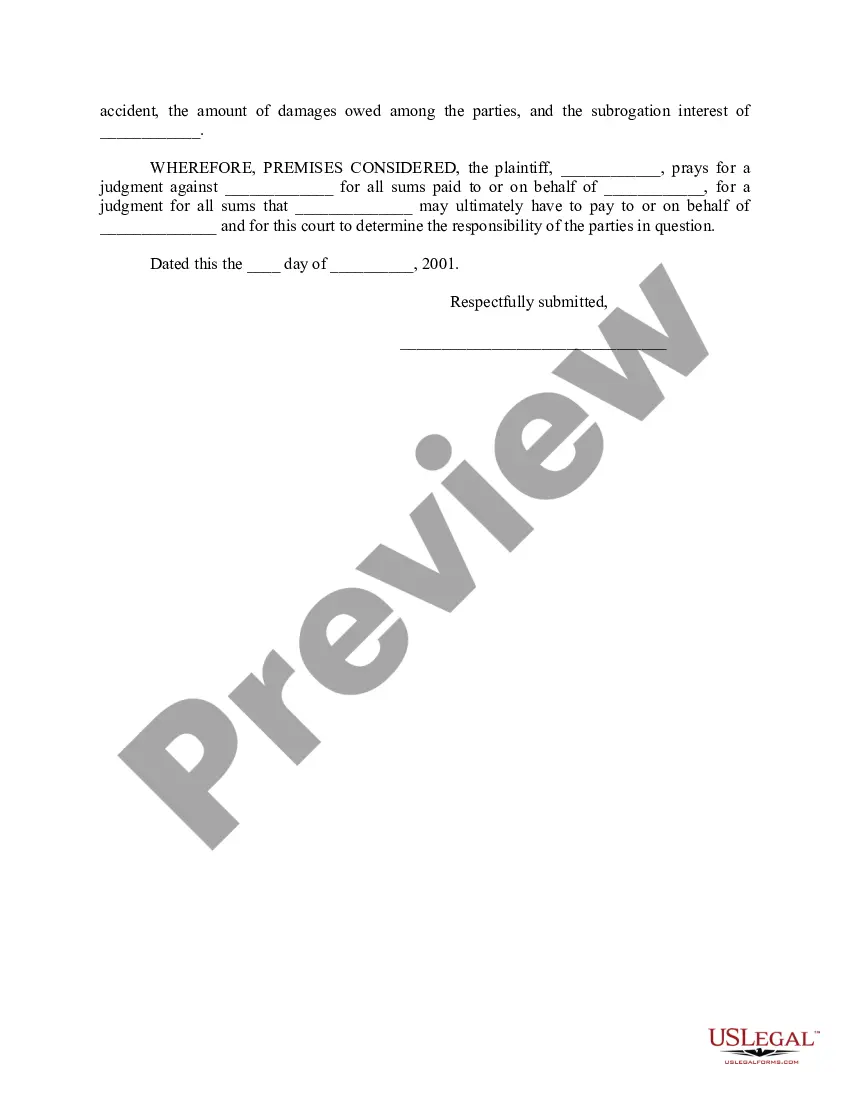
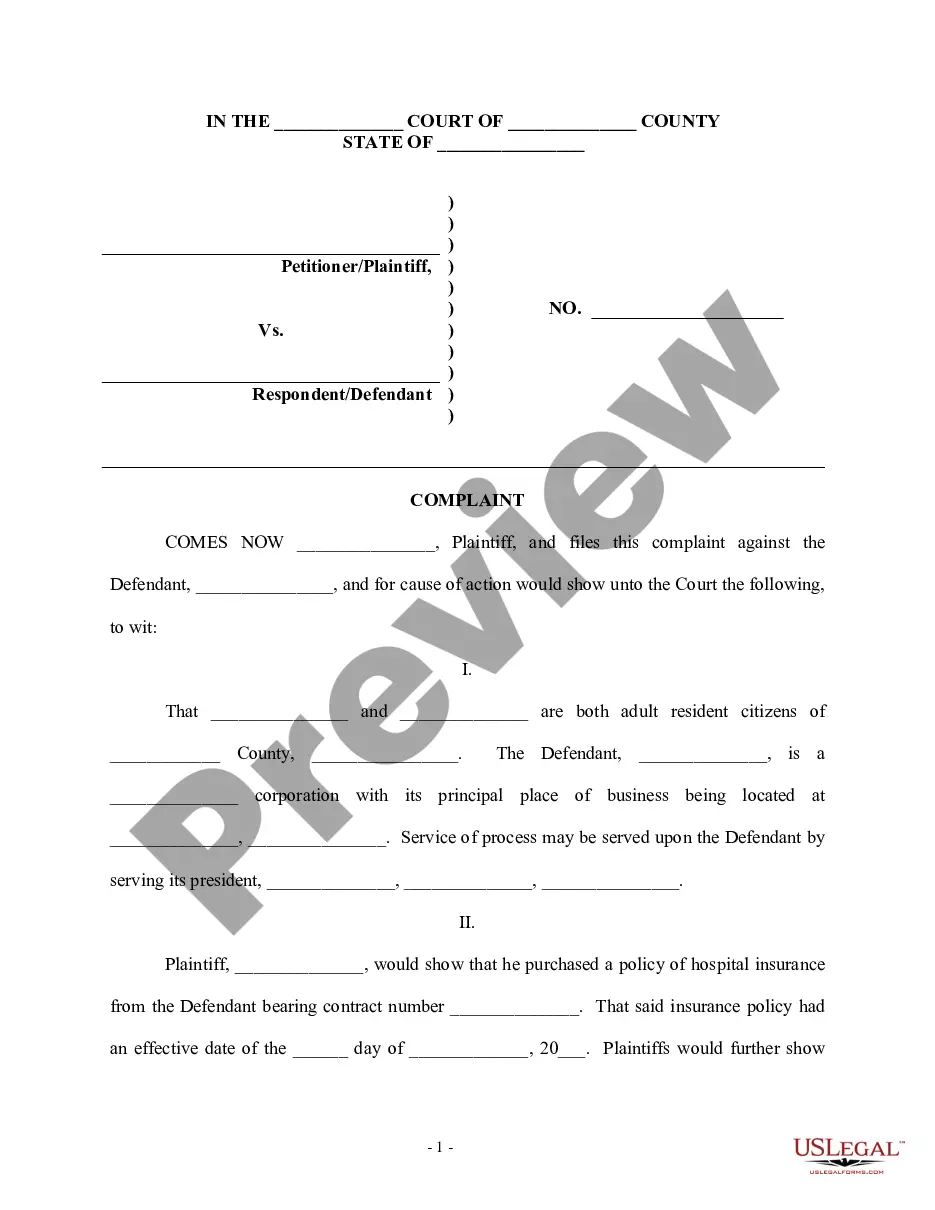
Primary tabs. A complaint is the pleading that starts a case. Essentially, a document that sets forth a jurisdictional basis for the court's power, the plaintiff's cause of action, and a demand for judicial relief. A plaintiff starts a civil action by filing a pleading called a complaint.
How long do I have to serve the Defendant? Generally, your Summons and Complaint must be served within 90 days after you file the Complaint. (ARCP 4(i)) If you fail to serve the Defendants within 90 days, your Complaint will be dismissed.
Filing your complaint starts your case, but the summons is the document that is issued under the court's authority that notifies your defendant they are being sued and that they need to take action.
Settlement: At any time after the filing of the Complaint, the parties may engage in settlement discussions. A settlement occurs when the parties resolve their civil dispute, usually after negotiating among themselves rather than the court or a jury deciding the case.
An answer is typically the first responsive pleading filed by a defendant in a civil case. It responds to each allegation in a complaint through an admission or denial, as well as presents any defenses, affirmative defenses, counterclaims or cross-claims.
In essence, a legal complaint initiates a lawsuit, while a lawsuit encompasses the entire process of resolving the dispute in court. The existence of a lawsuit and its course through the judicial process is also referred to as “litigation.”
A civil action filed in a limited jurisdiction court is a claim against another party for damages of an amount up to $10,000.00. These lawsuits are designed to resolve civil disputes before a justice of the peace. Parties in a civil lawsuit may be represented by attorneys and appeal their case to a higher court.
Generally, your Summons and Complaint must be served within 90 days after you file the Complaint. (ARCP 4(i)) If you fail to serve the Defendants within 90 days, your Complaint will be dismissed.
Service of a Summons and Complaint is a process to compel someone to appear in court to defend him/her/itself against a lawsuit.
