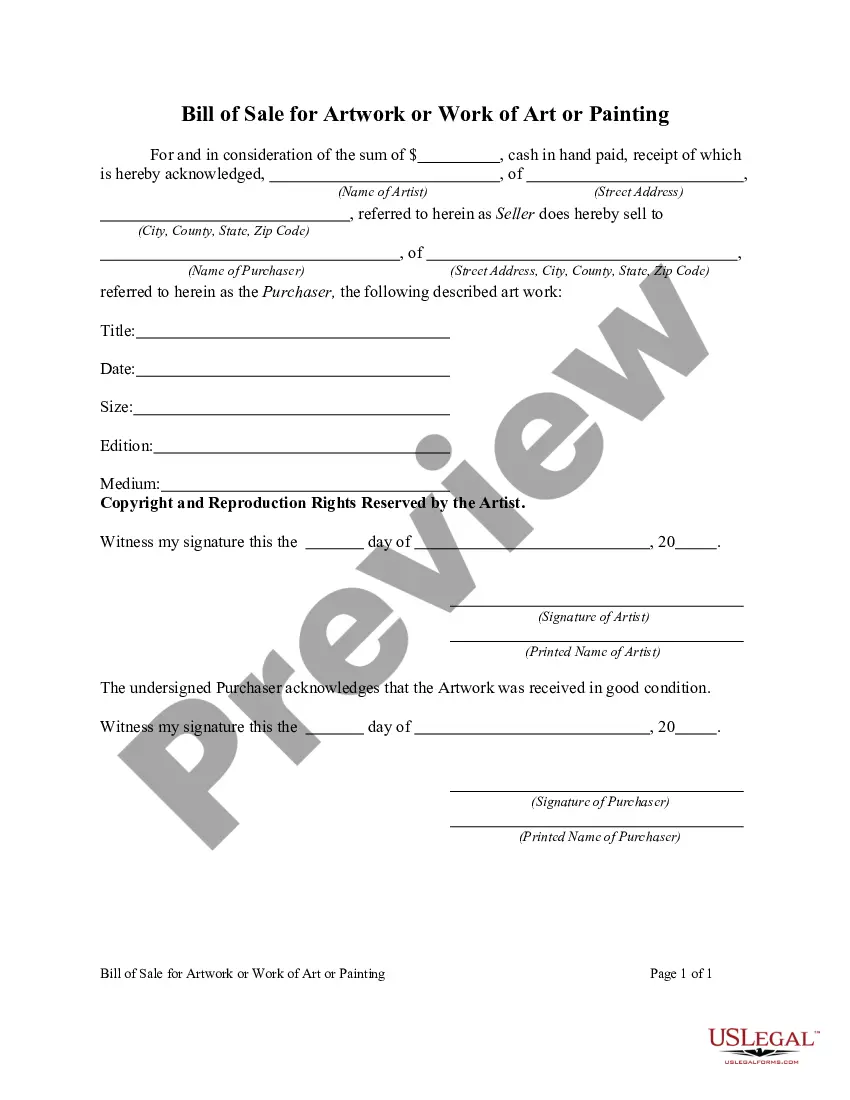
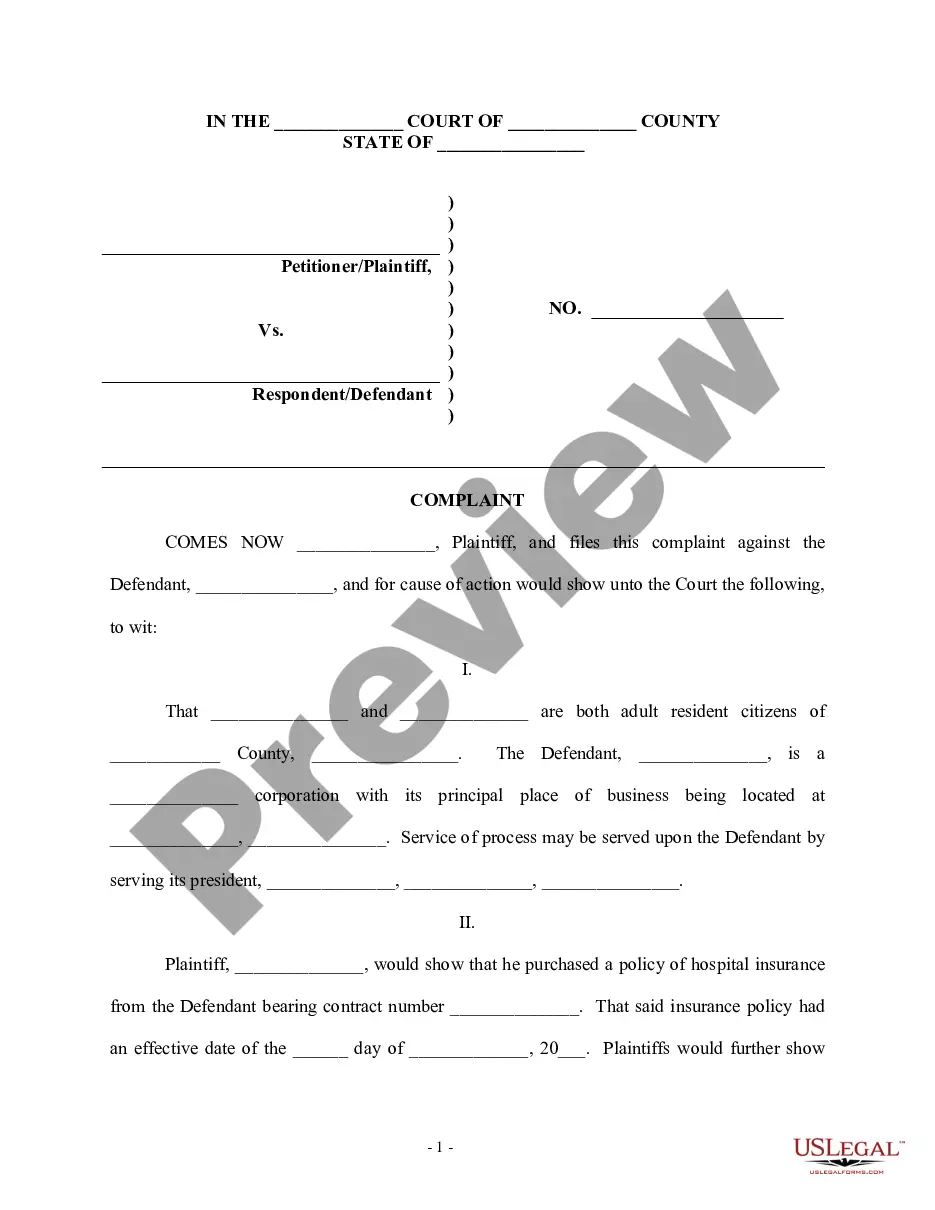
Complaint Subrogation Sample For Workers Compensation In Ohio
Description




Get your form ready online
Our built-in tools help you complete, sign, share, and store your documents in one place.
Make edits, fill in missing information, and update formatting in US Legal Forms—just like you would in MS Word.
Download a copy, print it, send it by email, or mail it via USPS—whatever works best for your next step.
Sign and collect signatures with our SignNow integration. Send to multiple recipients, set reminders, and more. Go Premium to unlock E-Sign.
If this form requires notarization, complete it online through a secure video call—no need to meet a notary in person or wait for an appointment.
We protect your documents and personal data by following strict security and privacy standards.

Make edits, fill in missing information, and update formatting in US Legal Forms—just like you would in MS Word.

Download a copy, print it, send it by email, or mail it via USPS—whatever works best for your next step.

Sign and collect signatures with our SignNow integration. Send to multiple recipients, set reminders, and more. Go Premium to unlock E-Sign.

If this form requires notarization, complete it online through a secure video call—no need to meet a notary in person or wait for an appointment.

We protect your documents and personal data by following strict security and privacy standards.
Looking for another form?

Form popularity
FAQ
If you're injured or contract an occupational disease while on the job, you (or other involved parties) should file a workers' compensation claim with BWC.
It's important to note that the appeals process can take time, and there are no guarantees of success. However, with a well-prepared case, strong evidence, and skilled legal representation, your chances of winning a workers' compensation appeal in California can be significantly improved.
Small business owners, or policyholders, who wonder “should I file a workers' comp claim?” can rely on a simple rule of thumb: any worker injury that requires medical help beyond self-treating first-aid is an injury that should be filed.
The time limit within which a claim or lawsuit must be filed is called the statute of limitations. In Ohio, the statute of limitations to file a claim for work-related injuries or wrongful death is one year from the date of injury or death.
State-by-state timelines for employees State/DistrictReporting deadlineWritten notice required Arkansas as soon as possible Yes, on Form N California 30 days Yes Colorado 10 days Yes Connecticut as soon as possible No47 more rows •
Ohio's Made Whole Doctrine: In Ohio, the "Made Whole Doctrine" may affect subrogation rights. This doctrine states that an insurance company cannot subrogate or seek reimbursement until the insured individual has been fully compensated for their injuries and damages.
Simply visit and click on the “File a Claim” button on the homepage. Follow the prompts to complete and submit the form. Phone: Another option is to call the BWC at 800-644-6292 from a.m. to p.m. (EST) or a local BWC customer service office.
In a tort action in Ohio, a defendant is barred from introducing evidence of insurance payments to a plaintiff. This is known as the collateral source rule. The objective of the collateral source rule is to prevent liable defendants from benefiting from payments made to the plaintiff by third parties.
A statutory subrogee may assert its subrogation rights through correspondence with the claimant and the third party or their legal representatives. A statutory subrogee may institute and pursue legal proceedings against a third party either by itself or in conjunction with a claimant.
What is a C84? The Ohio Bureau of Workers' Compensation requires Form C84 as proof of ongoing temporary total disability. The injured worker must complete the form, verifying the period of disability and that she has not worked and has not received other wages during the period of temporary total disability.