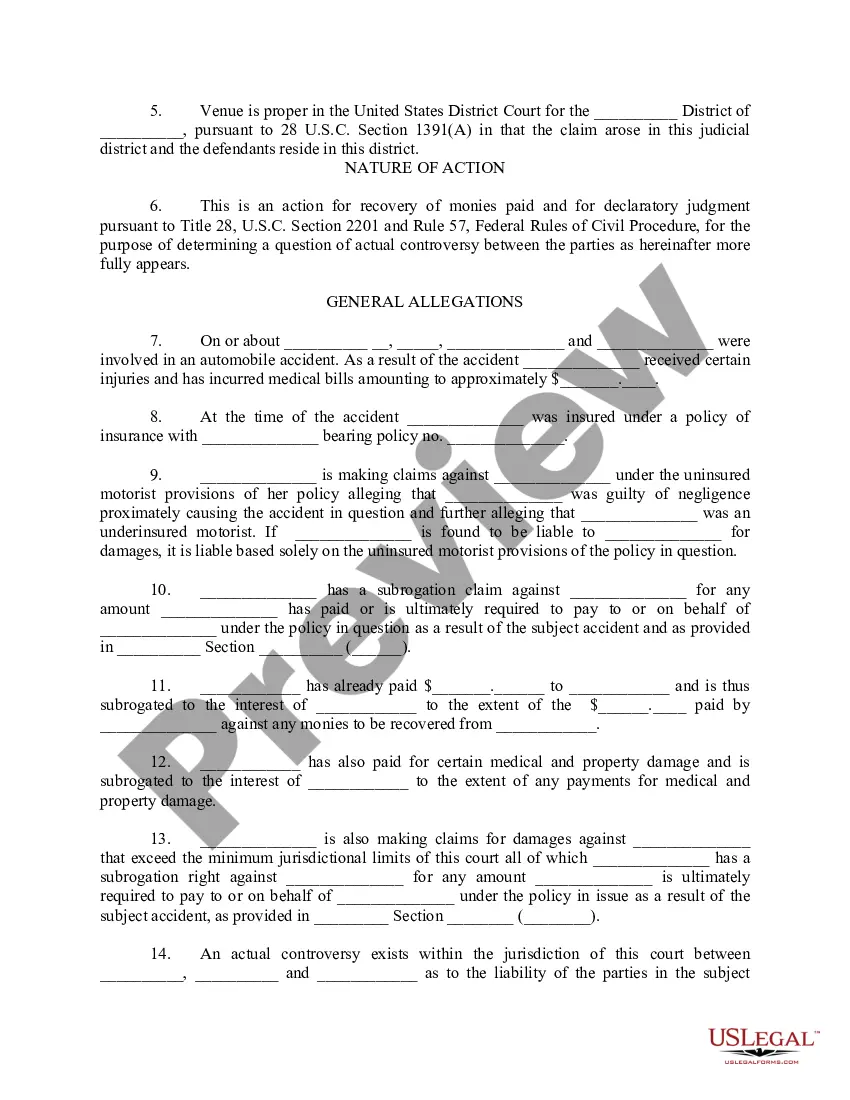
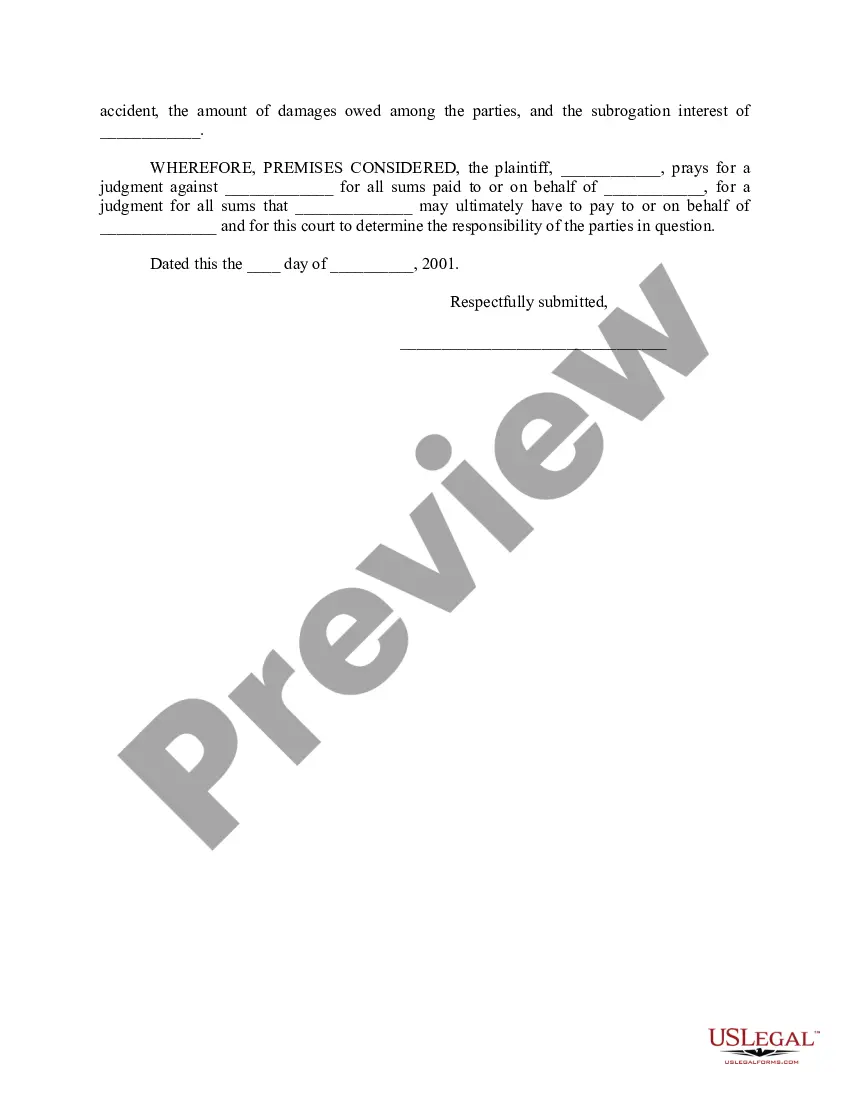
Declaratory Judgment Statute Of Limitations In Mecklenburg
Description





Get your form ready online
Our built-in tools help you complete, sign, share, and store your documents in one place.
Make edits, fill in missing information, and update formatting in US Legal Forms—just like you would in MS Word.
Download a copy, print it, send it by email, or mail it via USPS—whatever works best for your next step.
Sign and collect signatures with our SignNow integration. Send to multiple recipients, set reminders, and more. Go Premium to unlock E-Sign.
If this form requires notarization, complete it online through a secure video call—no need to meet a notary in person or wait for an appointment.
We protect your documents and personal data by following strict security and privacy standards.

Make edits, fill in missing information, and update formatting in US Legal Forms—just like you would in MS Word.

Download a copy, print it, send it by email, or mail it via USPS—whatever works best for your next step.

Sign and collect signatures with our SignNow integration. Send to multiple recipients, set reminders, and more. Go Premium to unlock E-Sign.

If this form requires notarization, complete it online through a secure video call—no need to meet a notary in person or wait for an appointment.

We protect your documents and personal data by following strict security and privacy standards.
Looking for another form?








Form popularity
FAQ
In North Carolina, a judgment is enforceable for 10 years from the date it was entered. After that point, it no longer can be enforced and is expired. Prior to the expiration of the judgment, the judgment creditor could seek to have it extended for another 10 years once.
The statute of limitations on debt in North Carolina is three years, ing to N.C.G.S. § 1-52 (1). If your creditors want to sue you over unpaid debts, they have three years from when you defaulted on the debt .
The NC law clearly gives the creditor a 10 year period to enforce his lien and the statutes, N.C.G.S. § 1-234, and § 1-23 appear to extend the time period when execution is restrained.
Rule 57. The existence of another adequate remedy does not preclude a judgment for declaratory relief in cases where it is appropriate. The court may order a prompt hearing of an action for a declaratory judgment and may advance it on the calendar.
To bring a claim for declaratory judgment in a situation where a patent dispute may exist or develop, the claimant must establish that an actual controversy exists. If there is a substantial controversy of sufficient immediacy and reality, the court will generally proceed with the declaratory-judgment action.
They are generally requested when a lawsuit is threatened but before the lawsuit is actually filed, when a conflict might exist between a party's or parties' rights under law or under contract and as a way to prevent multiple lawsuits from the same plaintiff.
Depositions before action or pending appeal. (1) Petition. – A person who desires to perpetuate that person's own testimony or the testimony of another person regarding any matter may file a verified petition in the appropriate court in a county where any expected adverse party resides.
– On motion and upon such terms as are just, the court may relieve a party or his legal representative from a final judgment, order, or proceeding for the following reasons: (1) Mistake, inadvertence, surprise, or excusable neglect; (2) Newly discovered evidence which by due diligence could not have been discovered in ...
Rule 55 provides: If, in order to enable the judge to enter judgment or to carry it into effect, it is necessary to take an account or to determine the amount of damages or to establish the truth of any averment by evidence or to take an investigation of any other matter, the judge may conduct such hearings or order ...
