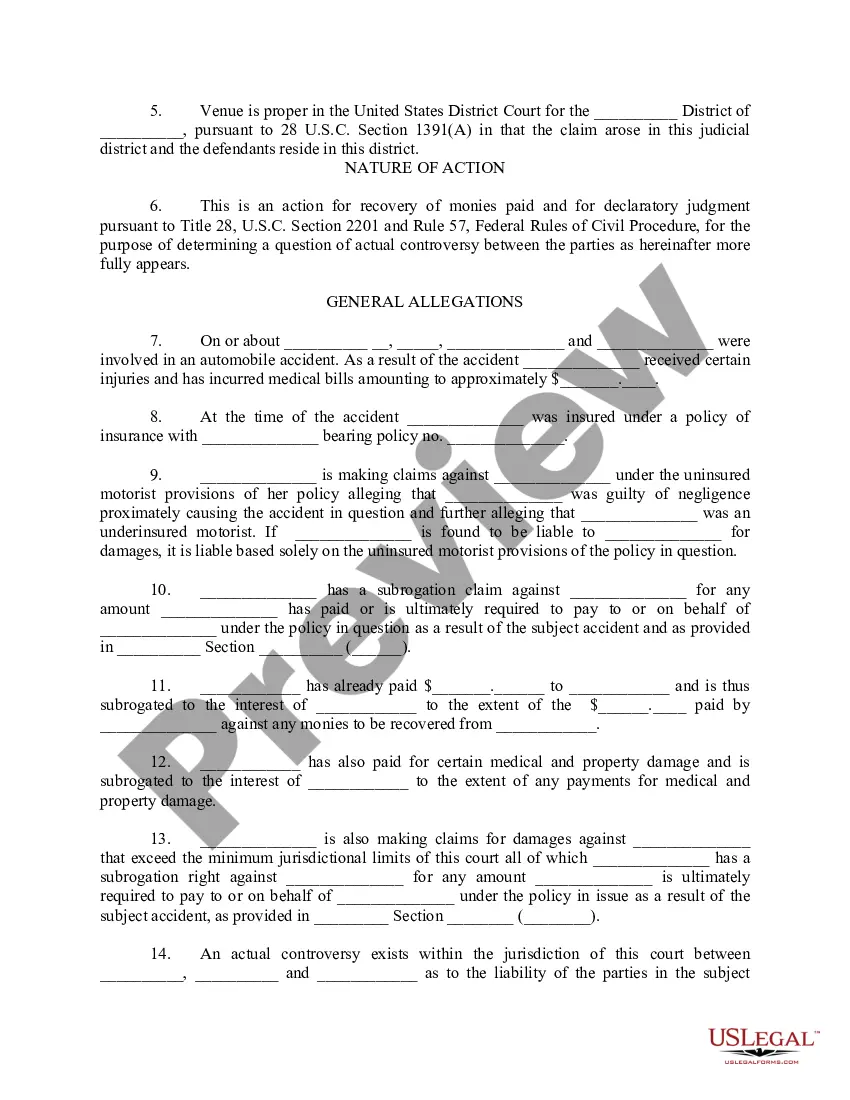
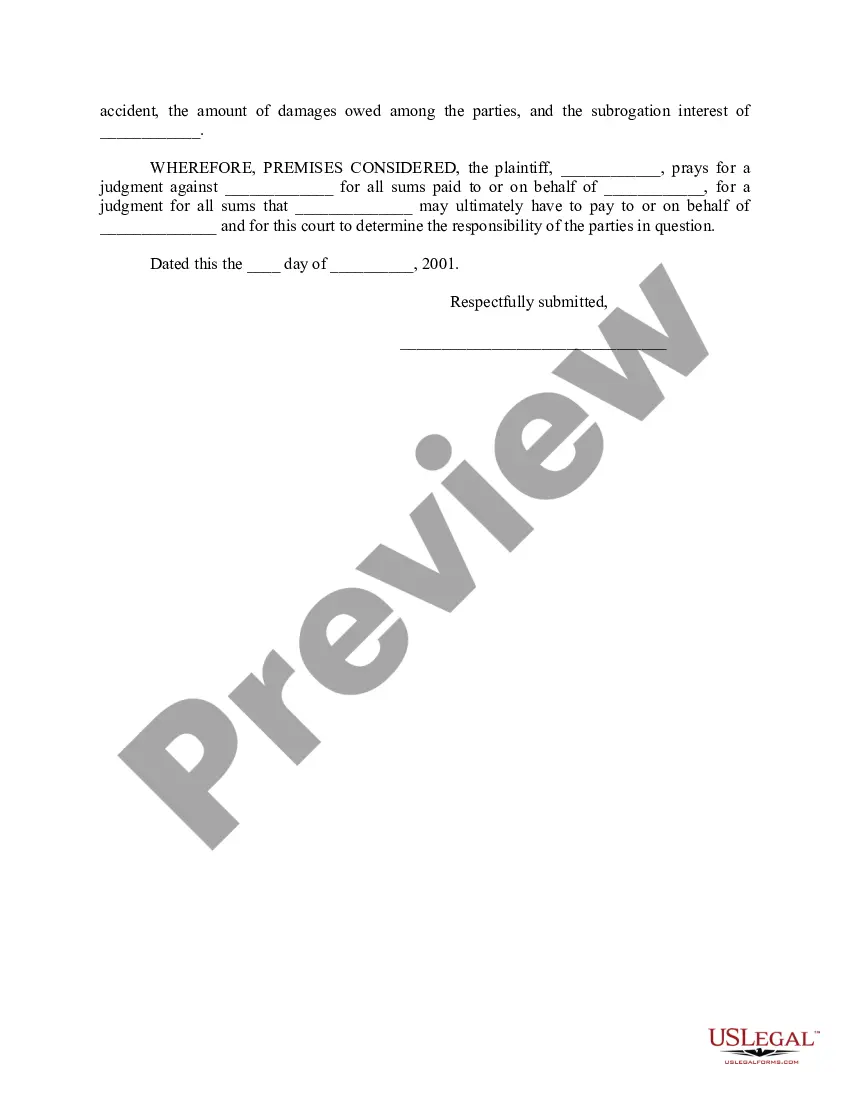
Complaint Responsibility Filed With The Court In Houston
Description





Get your form ready online
Our built-in tools help you complete, sign, share, and store your documents in one place.
Make edits, fill in missing information, and update formatting in US Legal Forms—just like you would in MS Word.
Download a copy, print it, send it by email, or mail it via USPS—whatever works best for your next step.
Sign and collect signatures with our SignNow integration. Send to multiple recipients, set reminders, and more. Go Premium to unlock E-Sign.
If this form requires notarization, complete it online through a secure video call—no need to meet a notary in person or wait for an appointment.
We protect your documents and personal data by following strict security and privacy standards.

Make edits, fill in missing information, and update formatting in US Legal Forms—just like you would in MS Word.

Download a copy, print it, send it by email, or mail it via USPS—whatever works best for your next step.

Sign and collect signatures with our SignNow integration. Send to multiple recipients, set reminders, and more. Go Premium to unlock E-Sign.

If this form requires notarization, complete it online through a secure video call—no need to meet a notary in person or wait for an appointment.

We protect your documents and personal data by following strict security and privacy standards.
Looking for another form?









Form popularity
FAQ
A complaint is the pleading that starts a case. Essentially, a document that sets forth a jurisdictional basis for the court's power, the plaintiff's cause of action, and a demand for judicial relief. A plaintiff starts a civil action by filing a pleading called a complaint.
An answer is typically the first responsive pleading filed by a defendant in a civil case. It responds to each allegation in a complaint through an admission or denial, as well as presents any defenses, affirmative defenses, counterclaims or cross-claims.
The Process To begin a civil lawsuit in federal court, the plaintiff files a complaint with the court and “serves” a copy of the complaint on the defendant.
Section 45.019 - Repealed Effective 1/1/2025 Requisites of Complaint (a) A complaint is sufficient, without regard to its form, if it substantially satisfies the following requisites: (1) it must be in writing; (2) it must commence "In the name and by the authority of the State of Texas"; (3) it must state the name ...
Rule 106 - Method of Service (a) Unless the citation or court order otherwise directs, the citation must be served by: (1) delivering to the defendant, in person, a copy of the citation, showing the delivery date, and of the petition; or (2) mailing to the defendant by registered or certified mail, return receipt ...
You can complain by phone, in person, or in writing by email or mail. Phone or email first to tell the company about the problem and to try to resolve it. You should be able to learn pretty quickly whether the problem will be resolved.
What Must A Complainant Include? Written complaint setting forth the reasons the person believes the charges are excessive. A copy of the original request for information. A copy of any correspondence from the governmental body stating the proposed charges.
A criminal proceeding in a Justice Court may be commenced by the filing of a complaint in the Justice of the Peace precinct in which the offense was committed or in which the accused resides. Harris County is divided into eight (8) Justice of the Peace precincts, each of which has two (2) Justices of the Peace.
Complaint: The complaint is the legal action in which one party (the plaintiff) sues another party (the defendant). Federal civil cases begin with the filing of a complaint.
