Complaint Responsibility File For Unemployment In Harris
Description

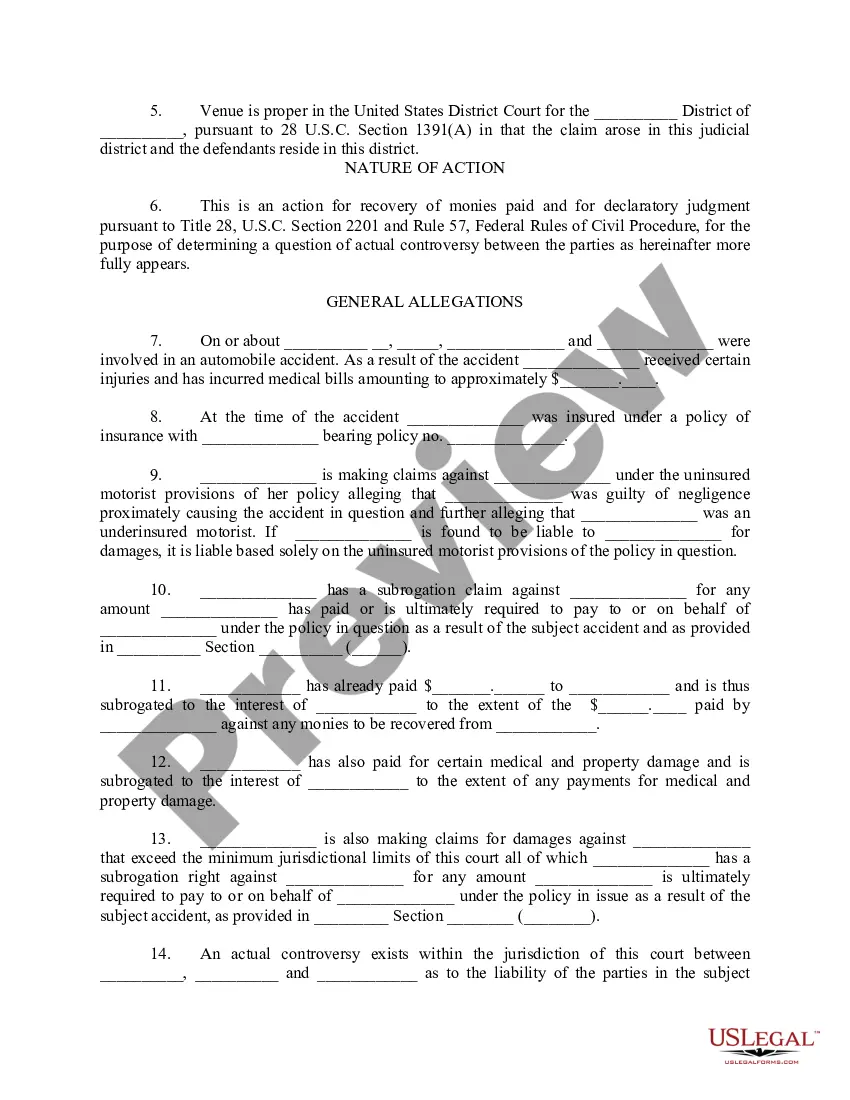
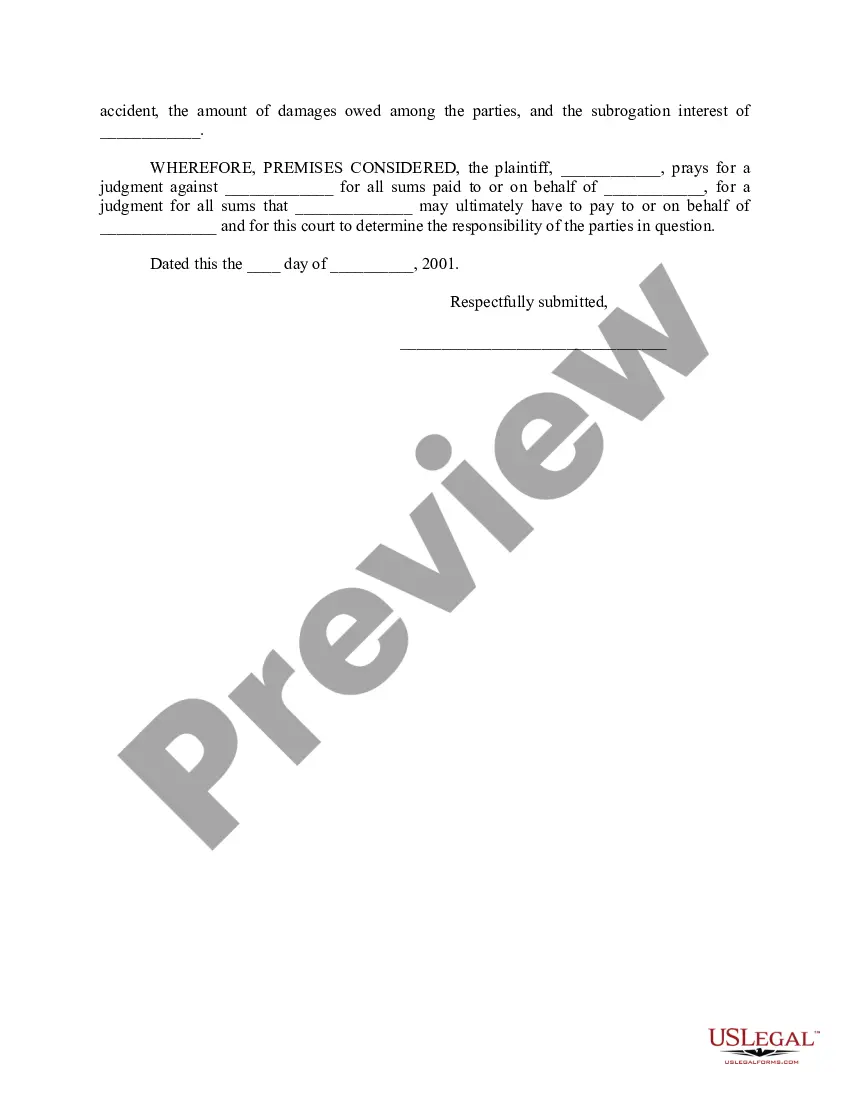



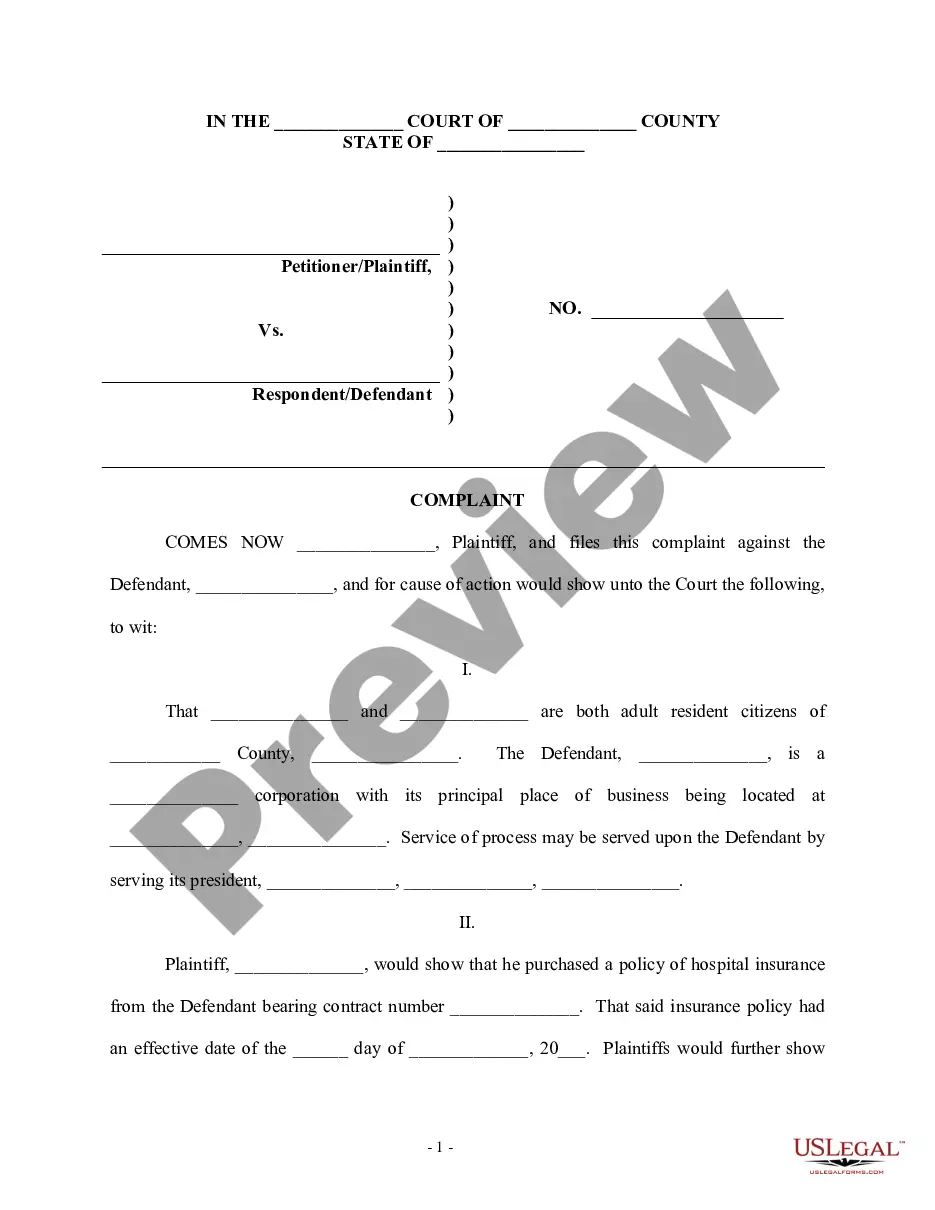
Get your form ready online
Our built-in tools help you complete, sign, share, and store your documents in one place.
Make edits, fill in missing information, and update formatting in US Legal Forms—just like you would in MS Word.
Download a copy, print it, send it by email, or mail it via USPS—whatever works best for your next step.
Sign and collect signatures with our SignNow integration. Send to multiple recipients, set reminders, and more. Go Premium to unlock E-Sign.
If this form requires notarization, complete it online through a secure video call—no need to meet a notary in person or wait for an appointment.
We protect your documents and personal data by following strict security and privacy standards.

Make edits, fill in missing information, and update formatting in US Legal Forms—just like you would in MS Word.

Download a copy, print it, send it by email, or mail it via USPS—whatever works best for your next step.

Sign and collect signatures with our SignNow integration. Send to multiple recipients, set reminders, and more. Go Premium to unlock E-Sign.

If this form requires notarization, complete it online through a secure video call—no need to meet a notary in person or wait for an appointment.

We protect your documents and personal data by following strict security and privacy standards.
Looking for another form?






Form popularity
FAQ
Quick Answer: How Often Do Employees Win Unemployment Appeals? ing to the U.S. Department of Labor, the national unemployment appeal success rate for lower authority reversals for employees is 28.7 percent from Oct. 1, 2022, to Sept. 30, 2023.
The Texas Workforce Commission (TWC) administers the Unemployment Benefits program in Texas.
The following is a list of some common reasons for denial: Voluntarily leaving work without good cause. Being discharged for misconduct connected with work. Not being able to work or available for work. Refusing an offer of suitable work. Knowingly making false statements to obtain benefit payments.
Common examples of willful misconduct include: Deliberate violation of employer rules. You can be denied unemployment compensation when fired for deliberately violating a company rule. Failure to follow an employer's instructions. Absenteeism/ Tardiness. Failing to meet normal standards of behavior.
If you have questions or concerns, you can contact us at 1-866-487-9243 or visit .dol/whd. You will be directed to the nearest WHD office for assistance. There are over 200 WHD offices throughout the country with trained professionals to help you.
How to Beat Unemployment Claims Get prepared. The single biggest mistake employers make is in their preparation. Keep to the issues. When proving misconduct, focus on specific policies that the employee violated. Only focus on what you can prove. Consider getting expert help.
(a) "Misconduct" means mismanagement of a position of employment by action or inaction, neglect that jeopardizes the life or property of another, intentional wrongdoing or malfeasance, intentional violation of a law, or violation of a policy or rule adopted to ensure the orderly work and the safety of employees.
One of the key tips on how to win your unemployment appeal hearing is to remain professional and respectful. Make sure to show respect to your former employer, the hearing officer or administrative law judge, witnesses and any other personnel. Use formal language and active listening.
The following is a list of some common reasons for denial: Voluntarily leaving work without good cause. Being discharged for misconduct connected with work. Not being able to work or available for work. Refusing an offer of suitable work. Knowingly making false statements to obtain benefit payments.
The following is a list of some common reasons for denial: Voluntarily leaving work without good cause. Being discharged for misconduct connected with work. Not being able to work or available for work. Refusing an offer of suitable work. Knowingly making false statements to obtain benefit payments.