Insurance Without Subrogation In Georgia
Description

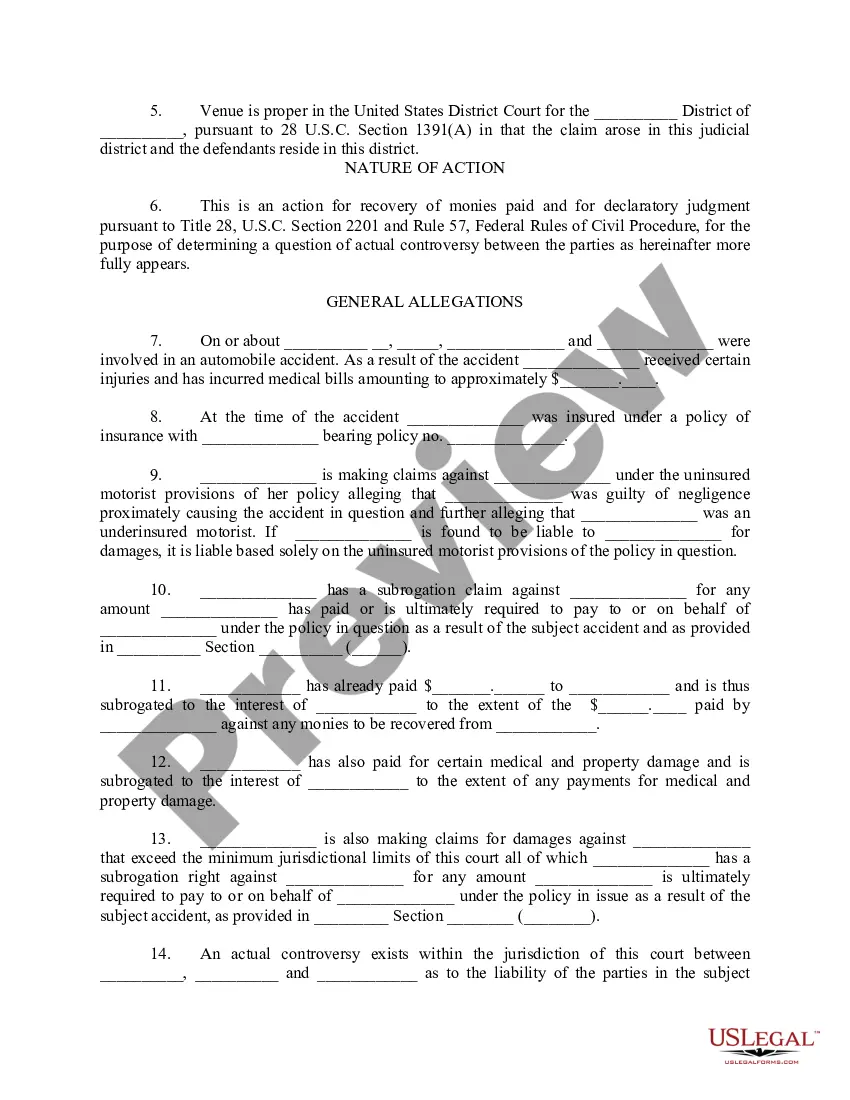
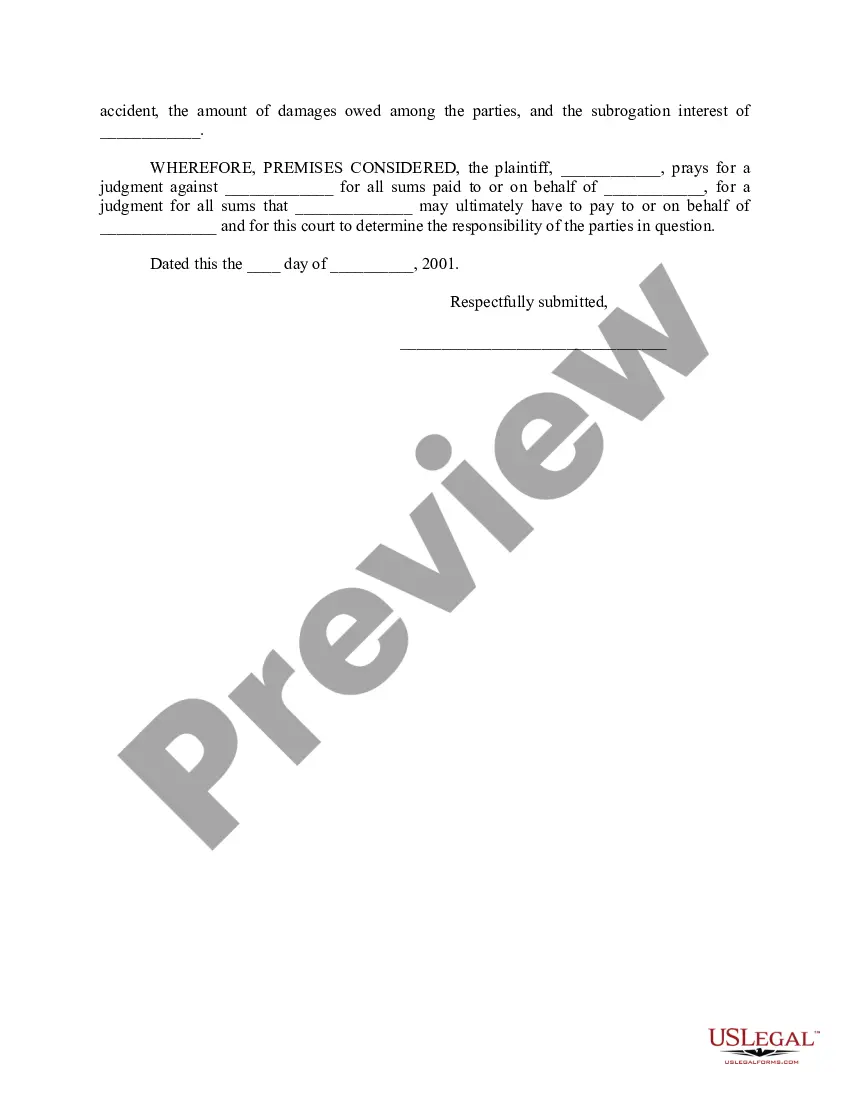




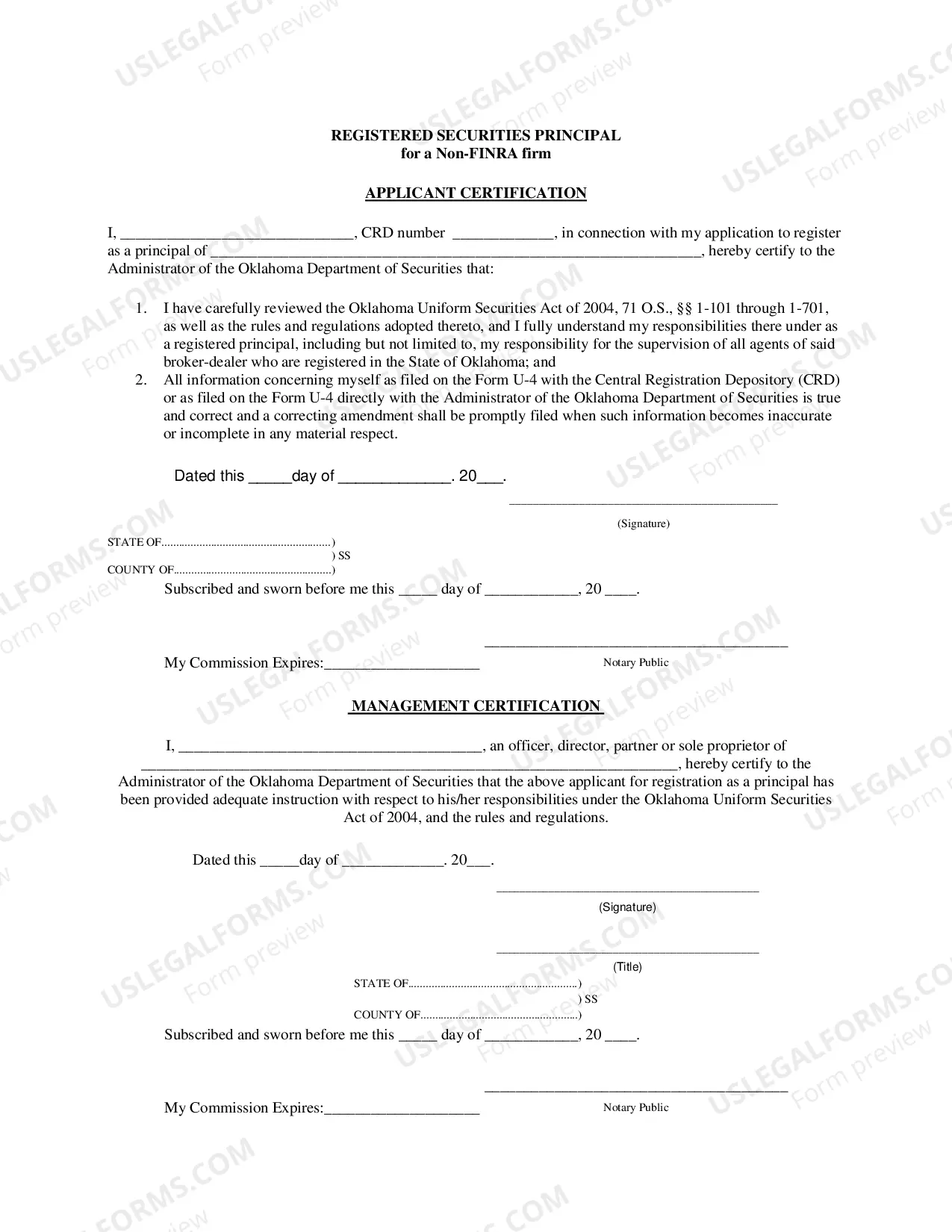
Get your form ready online
Our built-in tools help you complete, sign, share, and store your documents in one place.
Make edits, fill in missing information, and update formatting in US Legal Forms—just like you would in MS Word.
Download a copy, print it, send it by email, or mail it via USPS—whatever works best for your next step.
Sign and collect signatures with our SignNow integration. Send to multiple recipients, set reminders, and more. Go Premium to unlock E-Sign.
If this form requires notarization, complete it online through a secure video call—no need to meet a notary in person or wait for an appointment.
We protect your documents and personal data by following strict security and privacy standards.

Make edits, fill in missing information, and update formatting in US Legal Forms—just like you would in MS Word.

Download a copy, print it, send it by email, or mail it via USPS—whatever works best for your next step.

Sign and collect signatures with our SignNow integration. Send to multiple recipients, set reminders, and more. Go Premium to unlock E-Sign.

If this form requires notarization, complete it online through a secure video call—no need to meet a notary in person or wait for an appointment.

We protect your documents and personal data by following strict security and privacy standards.
Looking for another form?









Form popularity
FAQ
If the property owner agrees to a subrogation waiver and their insurance policy allows them to do so, you can negotiate directly with the property owner avoid any subrogation claims. Technical violations of subrogation claims. To have a valid subrogation claim, insurance companies must meet specific legal criteria.
As mentioned above, subrogation allows for the insurer to succeed directly to the rights of the insured against a third party. Independent recourse on the other hand constitutes a separate, independent claim against the third party arising with indemnification of the insured by the insurer.
There are exceptions to waiver of subrogation clauses. For example, if the owner's insurance doesn't cover a certain risk, the owner can pursue recovery costs from the negligent party. In addition, the policy owner may seek to recoup any costs from the third party that exceed the insurance policy's payout limit.
Subrogation Law and General Insurance Policies Georgia's Made Whole Doctrine states that a benefit provider (health insurance, generally) may only recover from a third-party claim (such as a client's personal injury settlement) if the amount of the recovery exceeds the sum of all economic and non-economic losses.
Subrogation waiver. If the property owner agrees to a subrogation waiver and their insurance policy allows them to do so, you can negotiate directly with the property owner avoid any subrogation claims.
Blanket Waivers: The blanket waiver is used to waive subrogation rights against all third-party recoveries in a policy. Specific Waivers: Specific waivers are used to waive subrogation rights against a specific third party, naming the contract or project to ensure it is understood the waiver is limited.
The two most common methods subrogation attorneys utilize to avoid undertaking a litigation process are mediation and arbitration.
Review contract terms to understand the specific requirements for the waiver. Contact your insurance provider or broker for guidance. Request the waiver of subrogation from your insurance provider (usually done in writing and includes details about the agreement and why the waiver is needed).
A waiver of subrogation is an agreement that prevents your insurance company from acting on your behalf to recoup expenses from the at-fault party. A waiver of subrogation comes into play when the at-fault driver wants to settle the accident but with your insurer out of the picture.
