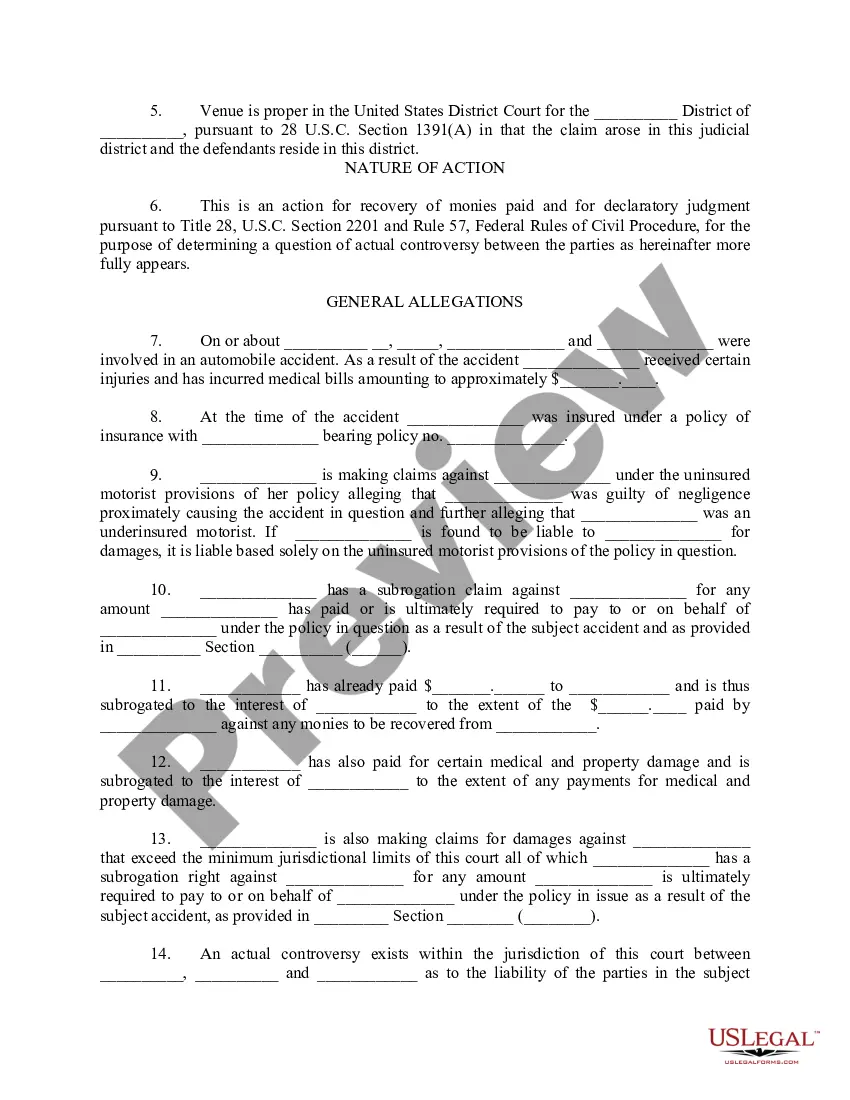
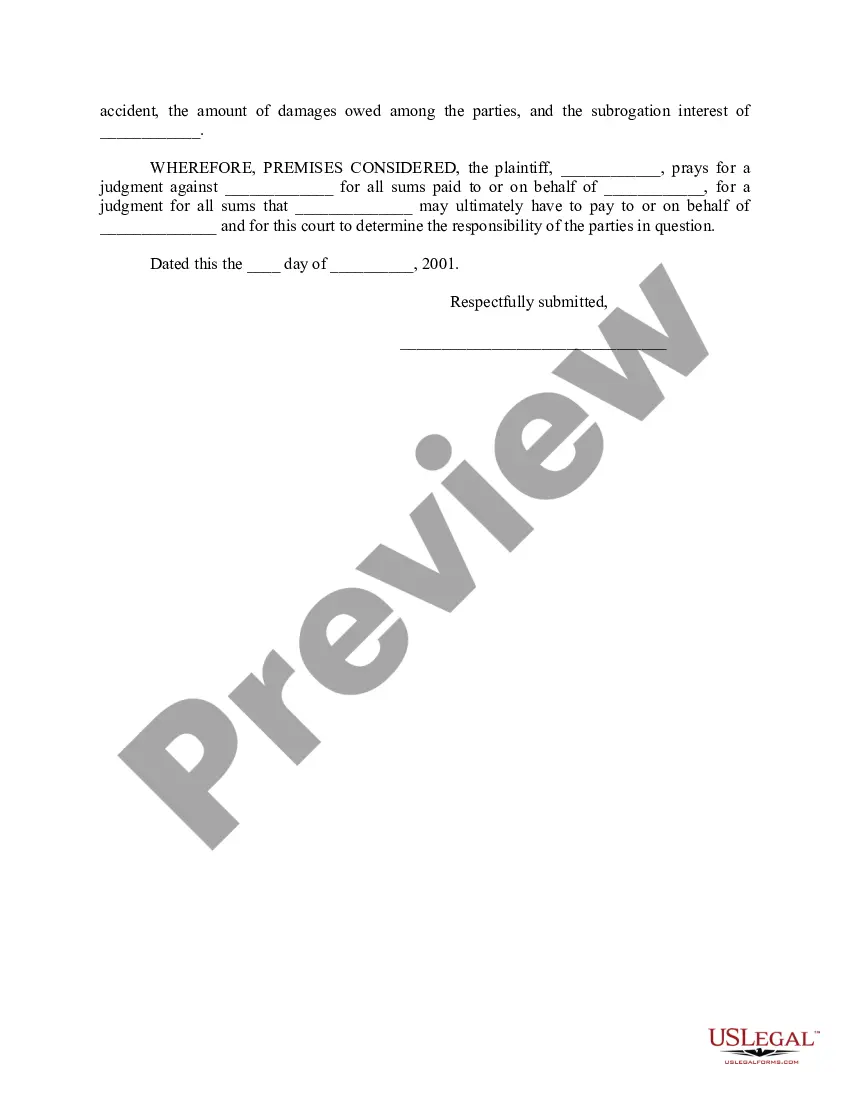
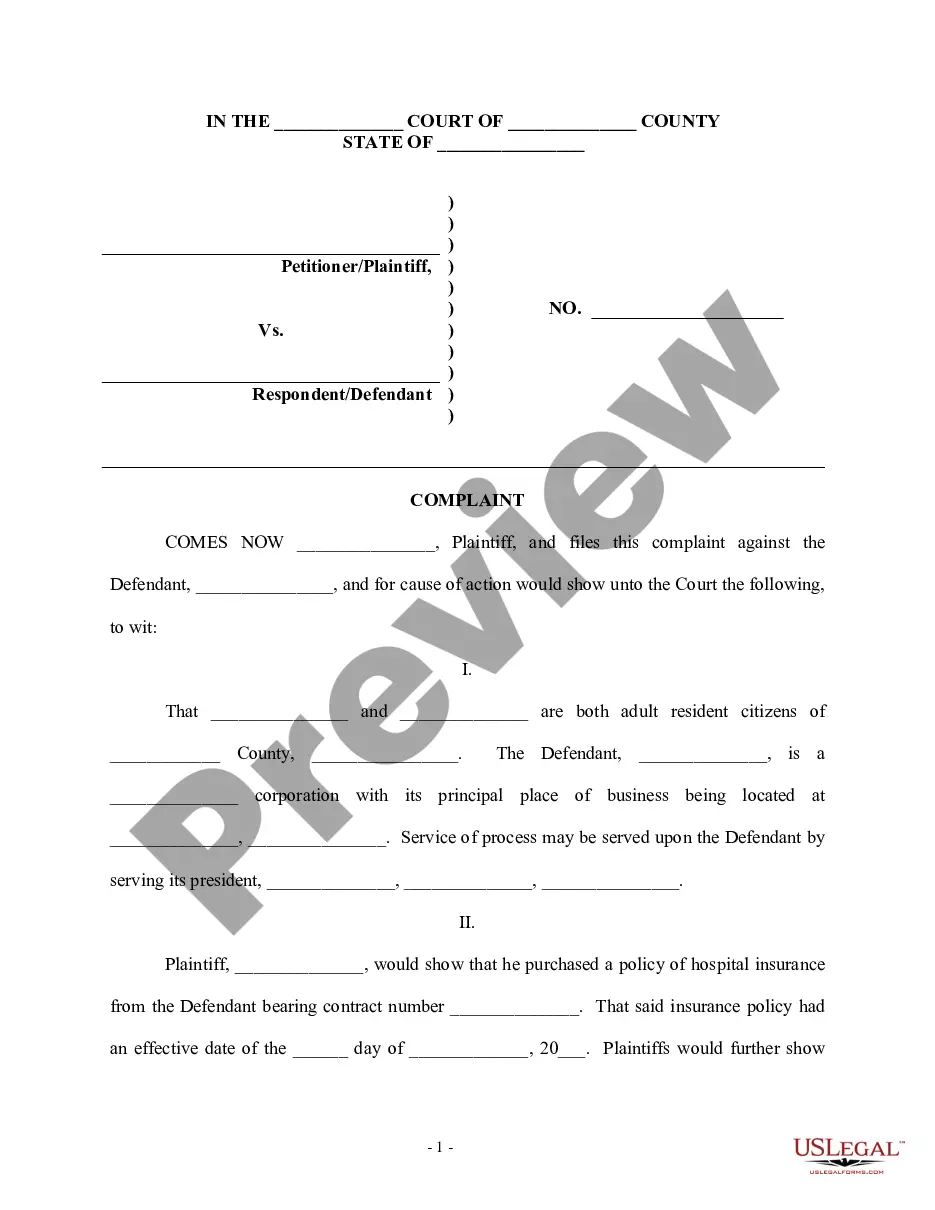
Complaint Responsibility Filed With The Court In Georgia
Description




Get your form ready online
Our built-in tools help you complete, sign, share, and store your documents in one place.
Make edits, fill in missing information, and update formatting in US Legal Forms—just like you would in MS Word.
Download a copy, print it, send it by email, or mail it via USPS—whatever works best for your next step.
Sign and collect signatures with our SignNow integration. Send to multiple recipients, set reminders, and more. Go Premium to unlock E-Sign.
If this form requires notarization, complete it online through a secure video call—no need to meet a notary in person or wait for an appointment.
We protect your documents and personal data by following strict security and privacy standards.

Make edits, fill in missing information, and update formatting in US Legal Forms—just like you would in MS Word.

Download a copy, print it, send it by email, or mail it via USPS—whatever works best for your next step.

Sign and collect signatures with our SignNow integration. Send to multiple recipients, set reminders, and more. Go Premium to unlock E-Sign.

If this form requires notarization, complete it online through a secure video call—no need to meet a notary in person or wait for an appointment.

We protect your documents and personal data by following strict security and privacy standards.
Looking for another form?




Form popularity
FAQ
You can report them to the judicial commission of misconduct, file a motion for emergency resusal, request judge to be removed from case because of biases and write a letter to the chief judge of that courthouse about what is occuring.
The Commission on Judicial Performance, established in 1960, is the independent state agency responsible for investigating complaints of judicial misconduct and judicial incapacity and for disciplining judges, pursuant to article VI, section 18 of the California Constitutionopens in a new window.
ABOUT THE COMPLAINT PROCESS Allegations of judicial misconduct or incapacity should be clearly stated, and complainants must identify the judge against whom the allegations are made. Complaints which do not identify a subject judge, or which identify an entire class of court are insufficient and will not be reviewed.
ABOUT THE COMPLAINT PROCESS If applicable, supporting information such as transcripts, video and/or audio recordings, photographs, or written correspondence should be submitted in conjunction with complaints. Once a complaint is submitted, it is forwarded to the Commission's Director for initial screening and review.
Obvious examples are violations of criminal law, sexual misconduct with staff/attorneys/parties, joining discriminatory organizations and using the judicial position to enhance a private interest.
A defendant shall serve his answer within 30 days after the service of the summons and complaint upon him, unless otherwise provided by statute. A cross-claim or counterclaim shall not require an answer, unless one is required by order of the court, and shall automatically stand denied.
How do I file a complaint or petition in civil court? You file the complaint or petition with the clerk of court. You generally want to file in the court in the county where the person you are suing lives. Along with the complaint, the court must be told where to serve (give it a copy of it to) the defendant.
A complaint is the pleading that starts a case. Essentially, a document that sets forth a jurisdictional basis for the court's power, the plaintiff's cause of action, and a demand for judicial relief.
