Motorist Uninsured Accident Forgiveness In Cuyahoga
Description
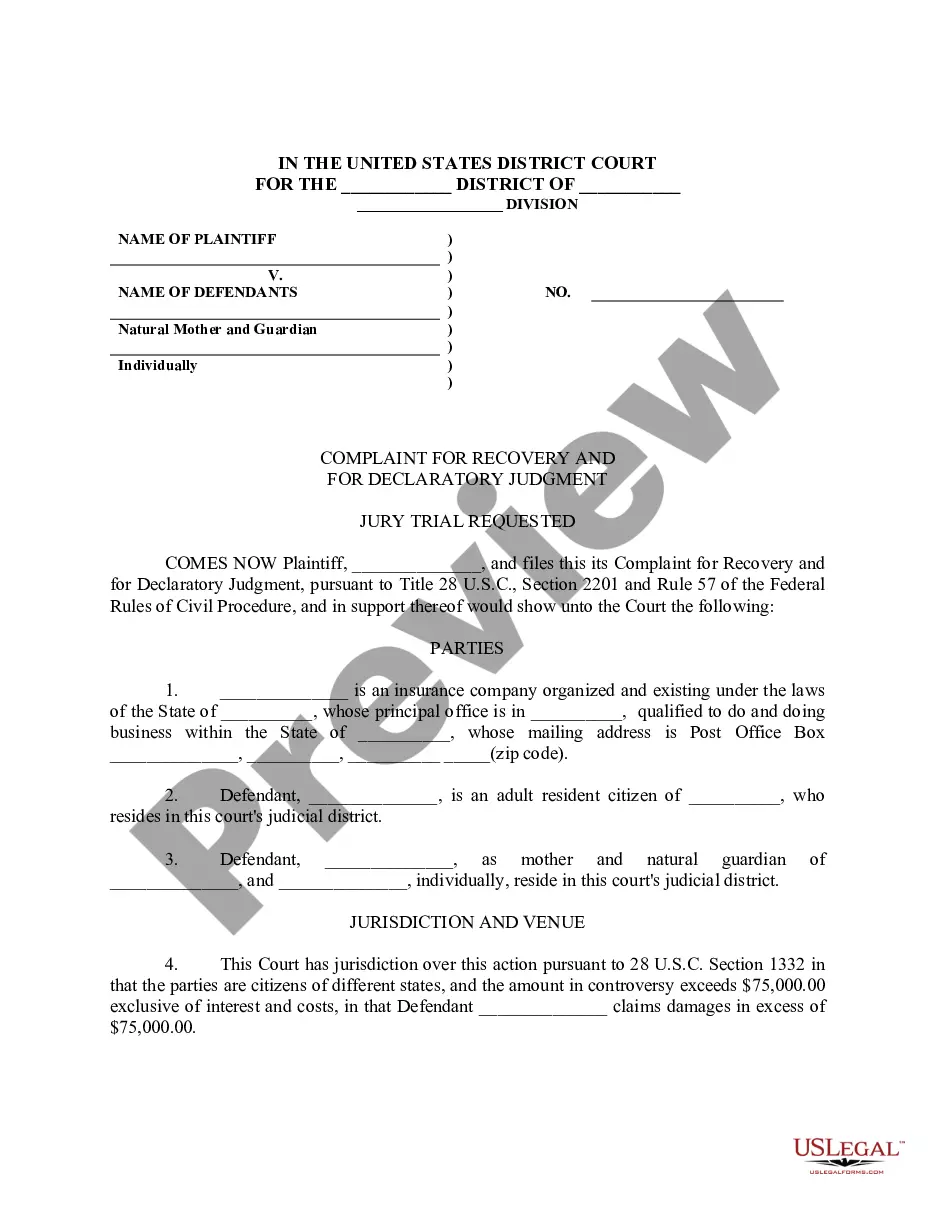
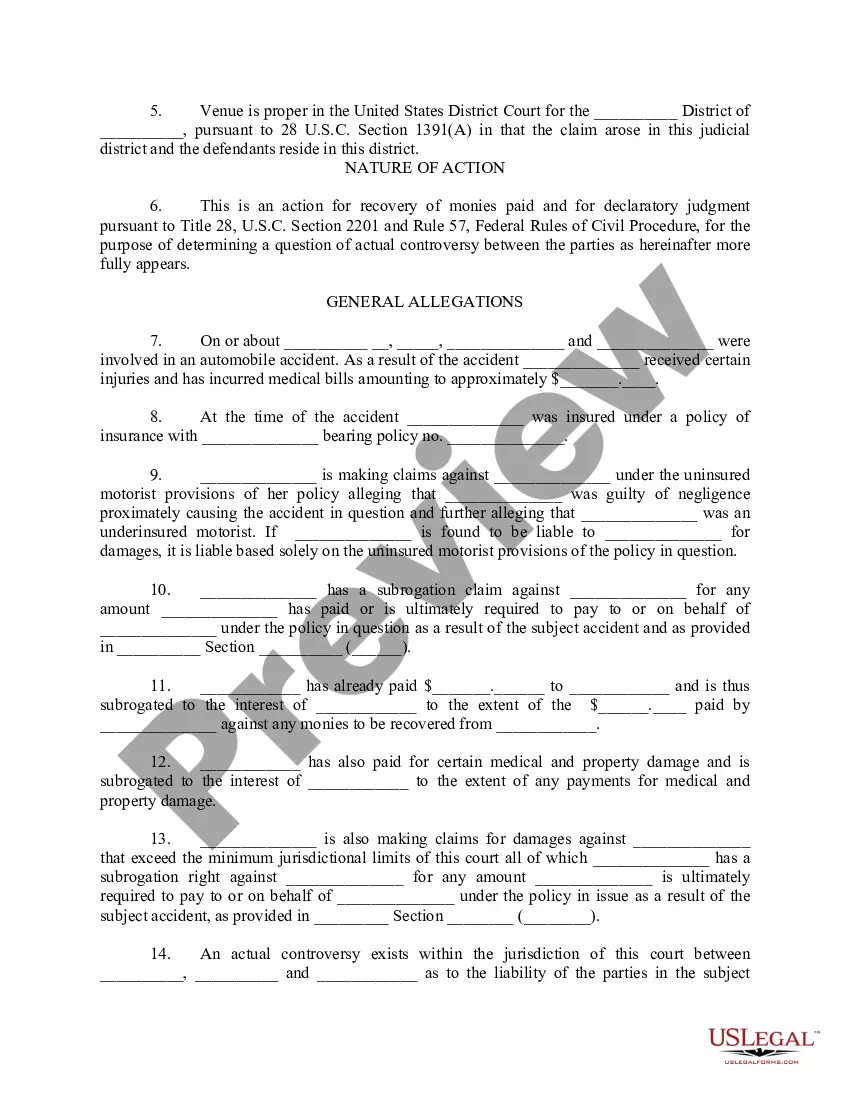
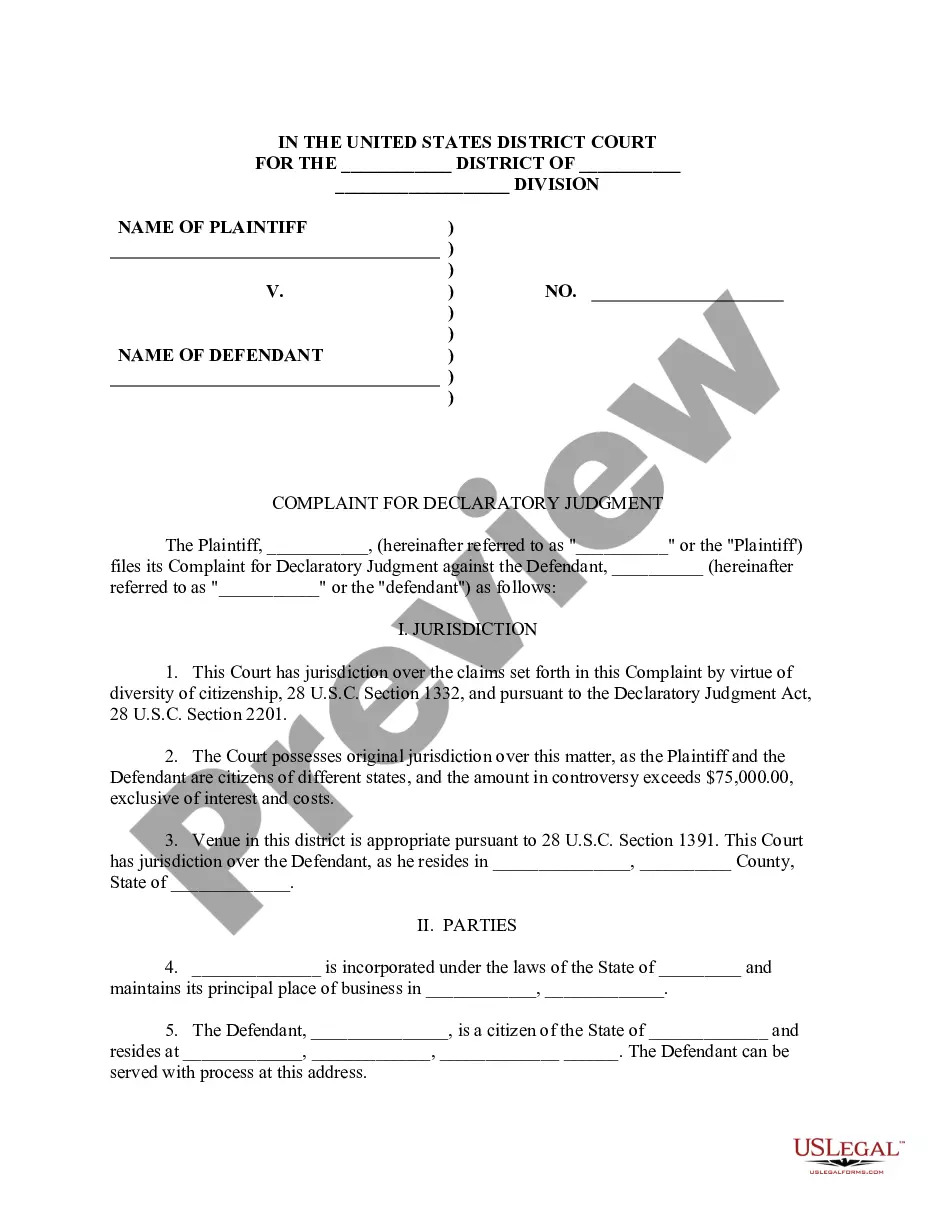
Get your form ready online
Our built-in tools help you complete, sign, share, and store your documents in one place.
Make edits, fill in missing information, and update formatting in US Legal Forms—just like you would in MS Word.
Download a copy, print it, send it by email, or mail it via USPS—whatever works best for your next step.
Sign and collect signatures with our SignNow integration. Send to multiple recipients, set reminders, and more. Go Premium to unlock E-Sign.
If this form requires notarization, complete it online through a secure video call—no need to meet a notary in person or wait for an appointment.
We protect your documents and personal data by following strict security and privacy standards.

Make edits, fill in missing information, and update formatting in US Legal Forms—just like you would in MS Word.

Download a copy, print it, send it by email, or mail it via USPS—whatever works best for your next step.

Sign and collect signatures with our SignNow integration. Send to multiple recipients, set reminders, and more. Go Premium to unlock E-Sign.

If this form requires notarization, complete it online through a secure video call—no need to meet a notary in person or wait for an appointment.

We protect your documents and personal data by following strict security and privacy standards.
Looking for another form?
Form popularity
FAQ
Most insurers that offer accident forgiveness only allow it to be purchased for drivers with a clean driving record. You'll have to wait til the accident falls off your record, usually 3-5 years.
Accident forgiveness does NOT mean your rates won't go up in the future. It simply means you will not be surcharged for the accident. Your rates will continue to increase at the same rate they would have if you didn't have the accident.
However, under California's proposition 103, insurance companies are not allowed to raise rates or drop a person because they made an uninsured motorist claim.
Of course, your insurance company may try to go after the at-fault party for more, but it is difficult to collect from people who do not have anything. The best thing to do is to make sure you have uninsured/underinsured motorist coverage before an accident happens.
In California, most accidents and minor violations stay on your driving record for three years. Accidents involving more serious violations stay on your record longer: A DUI conviction will follow you around for 10 years.
Stay on the Record – Your accident will still appear on your record regardless of whether it's forgiven. If you ever switch insurance, your accident could still impact your premiums in the future, as they can see the accident on your record.
Ing to the U.S. Department of Justice, personal injury lawsuit outcome statistics include a majority (90 to 95 percent) settled before trial. Out of the small percentage that end up seeing a courtroom, the data suggests that the success rate of personal injury cases is around half.
For drivers in California, accident forgiveness isn't an option. Proposition 103, which passed in the state in 1988, outlaws “excessive” insurance rates and accident forgiveness was deemed excessive as you're essentially paying for coverage on an accident that hasn't happened yet.
First Offense First-time offenders can expect to encounter a fine of up to $500 and a license suspension for up to 90 days.