Declaratory Judgment Statute Of Limitations In Collin
Description

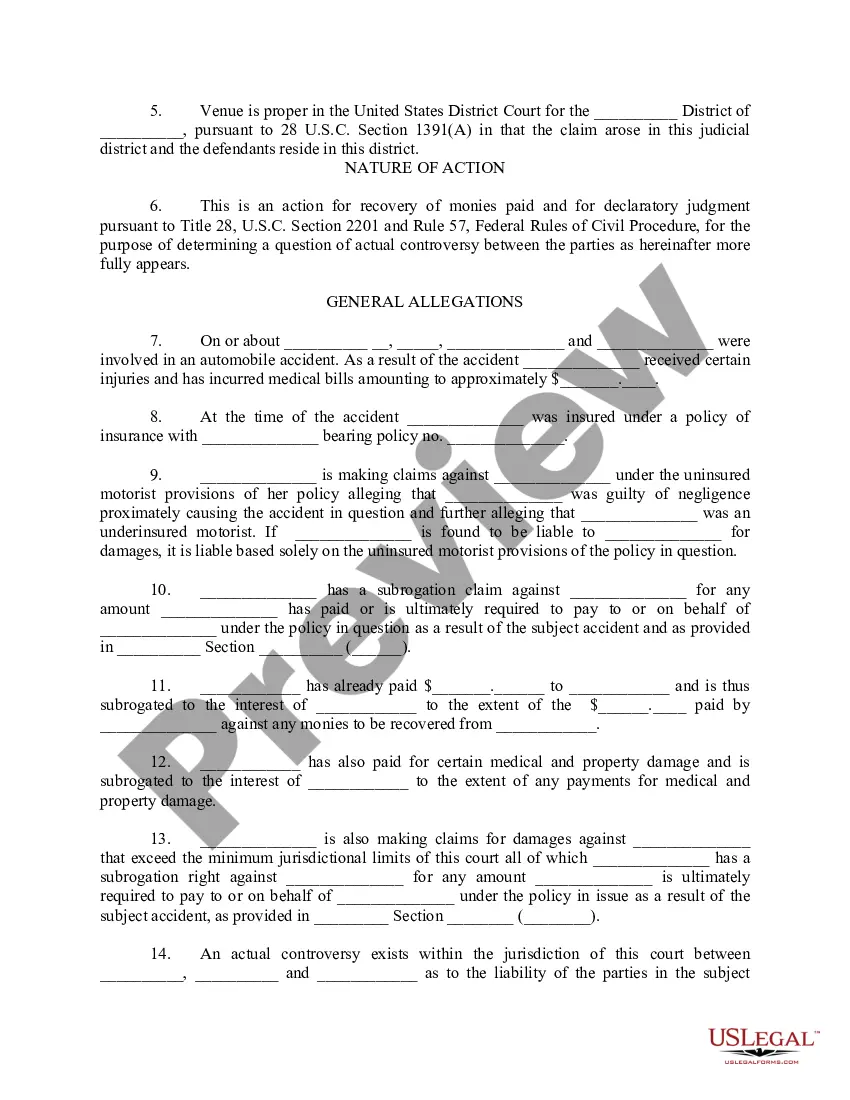



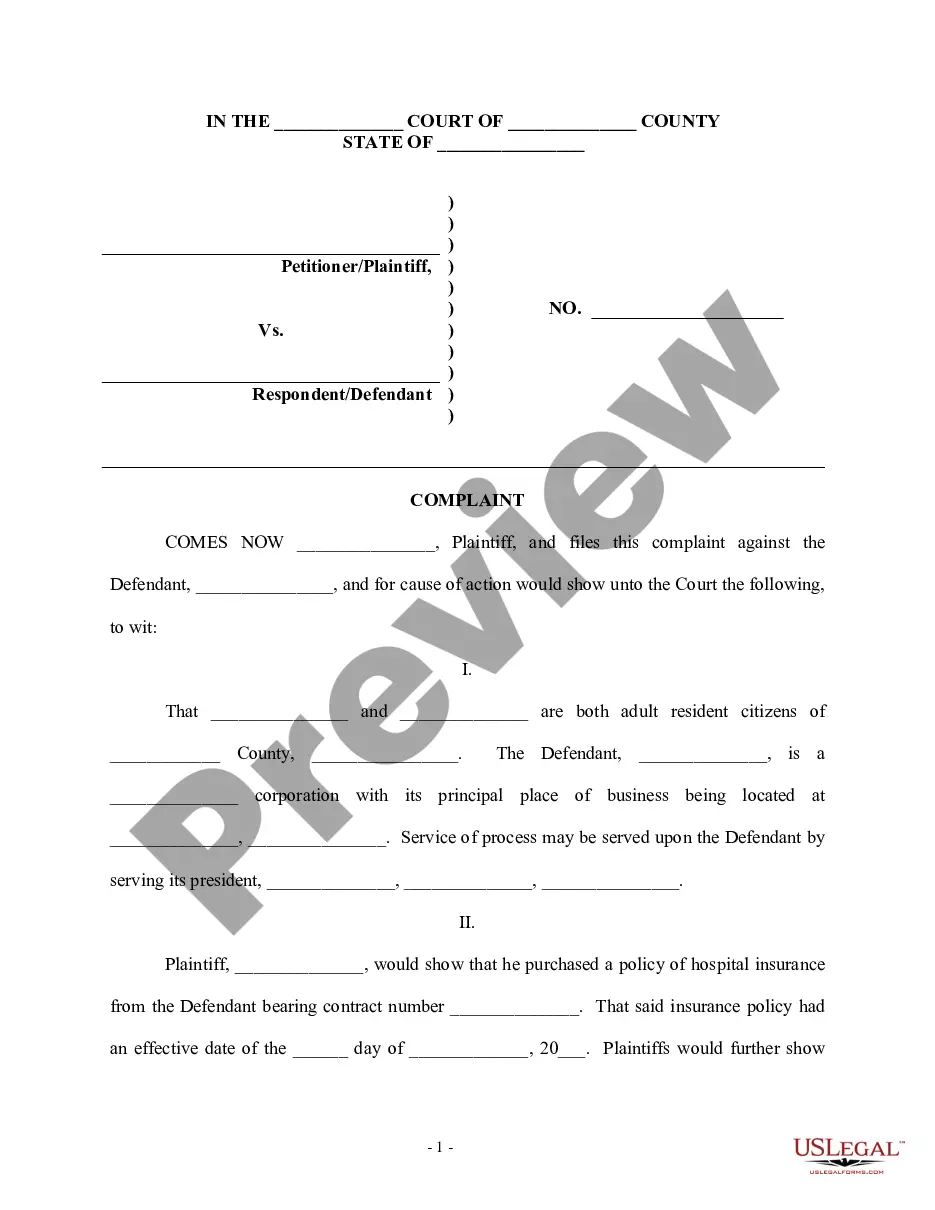
Get your form ready online
Our built-in tools help you complete, sign, share, and store your documents in one place.
Make edits, fill in missing information, and update formatting in US Legal Forms—just like you would in MS Word.
Download a copy, print it, send it by email, or mail it via USPS—whatever works best for your next step.
Sign and collect signatures with our SignNow integration. Send to multiple recipients, set reminders, and more. Go Premium to unlock E-Sign.
If this form requires notarization, complete it online through a secure video call—no need to meet a notary in person or wait for an appointment.
We protect your documents and personal data by following strict security and privacy standards.

Make edits, fill in missing information, and update formatting in US Legal Forms—just like you would in MS Word.

Download a copy, print it, send it by email, or mail it via USPS—whatever works best for your next step.

Sign and collect signatures with our SignNow integration. Send to multiple recipients, set reminders, and more. Go Premium to unlock E-Sign.

If this form requires notarization, complete it online through a secure video call—no need to meet a notary in person or wait for an appointment.

We protect your documents and personal data by following strict security and privacy standards.
Looking for another form?








Form popularity
FAQ
The declaratory judgment is generally considered a statutory remedy and not an equitable remedy in the United States, and is thus not subject to equitable requirements, though there are analogies that can be found in the remedies granted by courts of equity.
Declaratory judgments are conclusive and legally binding, but do not have preclusive effect if: A later lawsuit involves issues other than those specifically litigated and ruled on in the declaratory judgment action.
A declaratory judgment plaintiff does not need to allege actual infringement. It is sufficient, for standing purposes, to show that a party “has engaged in a course of conduct evidencing a definite intent and apparent ability to commence use of the mark.” See Starter Corp. v. Converse, Inc., 84 F.
A Texas judgment is valid for ten years from the date it is signed by the judge. After the expiration of ten years the judgment is dormant for two years. During that two year period of dormancy the judgment cannot be enforced.
To bring a claim for declaratory judgment in a situation where a patent dispute may exist or develop, the claimant must establish that an actual controversy exists. If there is a substantial controversy of sufficient immediacy and reality, the court will generally proceed with the declaratory-judgment action.
Example of Declaratory Judgment For example, a policyholder believes that their denied claim is unjust. As a result, they inform the insurer that they are considering a lawsuit to recover losses. The insurer seeks a declaratory judgment to clarify its rights and obligations with hopes of preventing the lawsuit.
The statute of limitations for breach of contract and the declaratory judgment is generally four years from the date of the accident. The Personal Injury Trial Law protection claim statute of limitations is often defined by an insurance contract.
Exceptions include certain crimes against children, which start when the child turns 18. Also, the statute of limitation for lying about the identity of an egg or sperm donor starts at the time the crime is discovered.
For some offenses, such as murder and aggravated sexual assault of a child, there is no statute of limitations at all.
U.S. jurisdictions recognize exceptions to statutes of limitation that may allow for the prosecution of a crime or civil lawsuit even after the statute of limitations would otherwise have expired. Some states stop the clock for a suspect who is not residing within the state or is purposely hiding.
