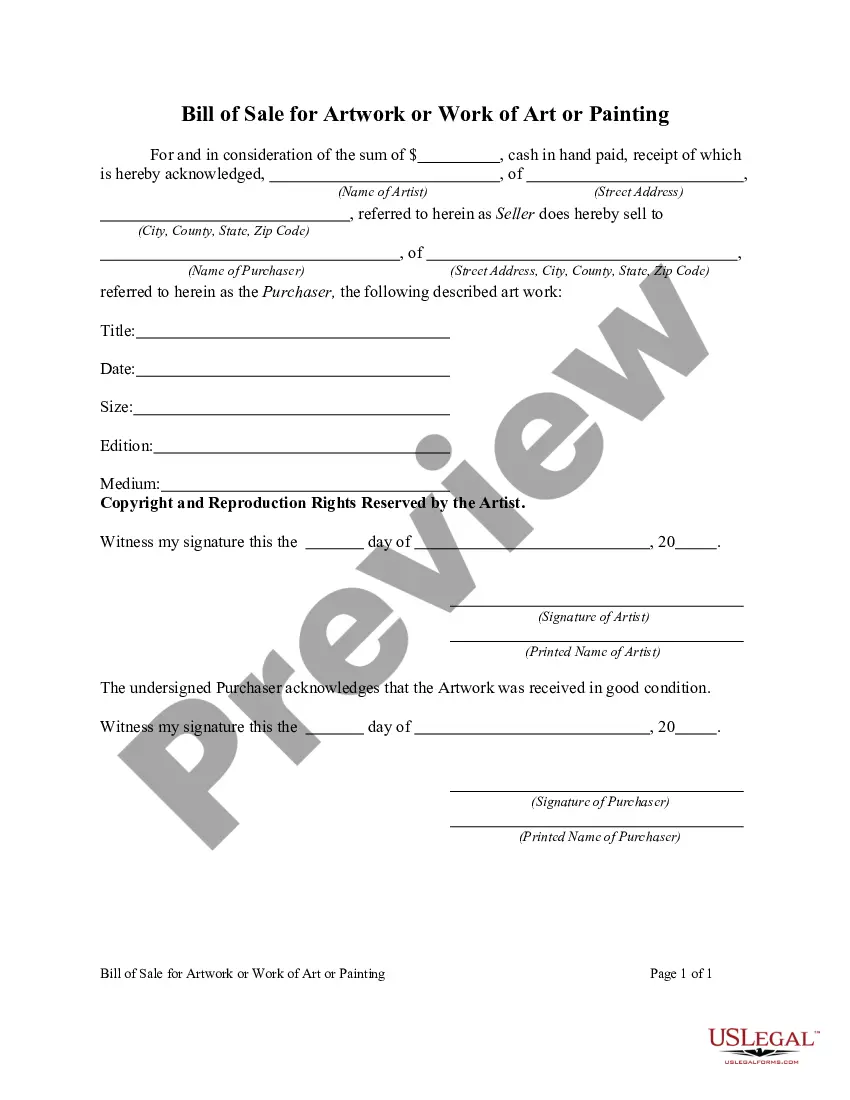
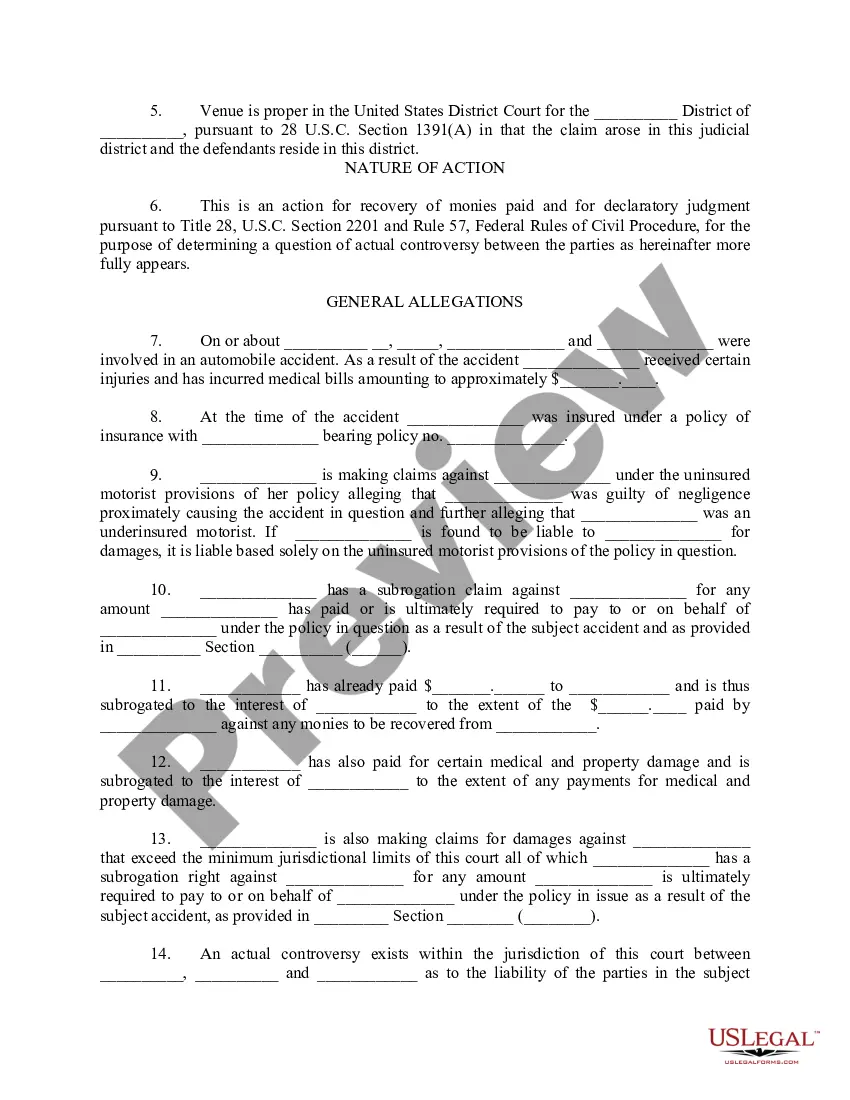
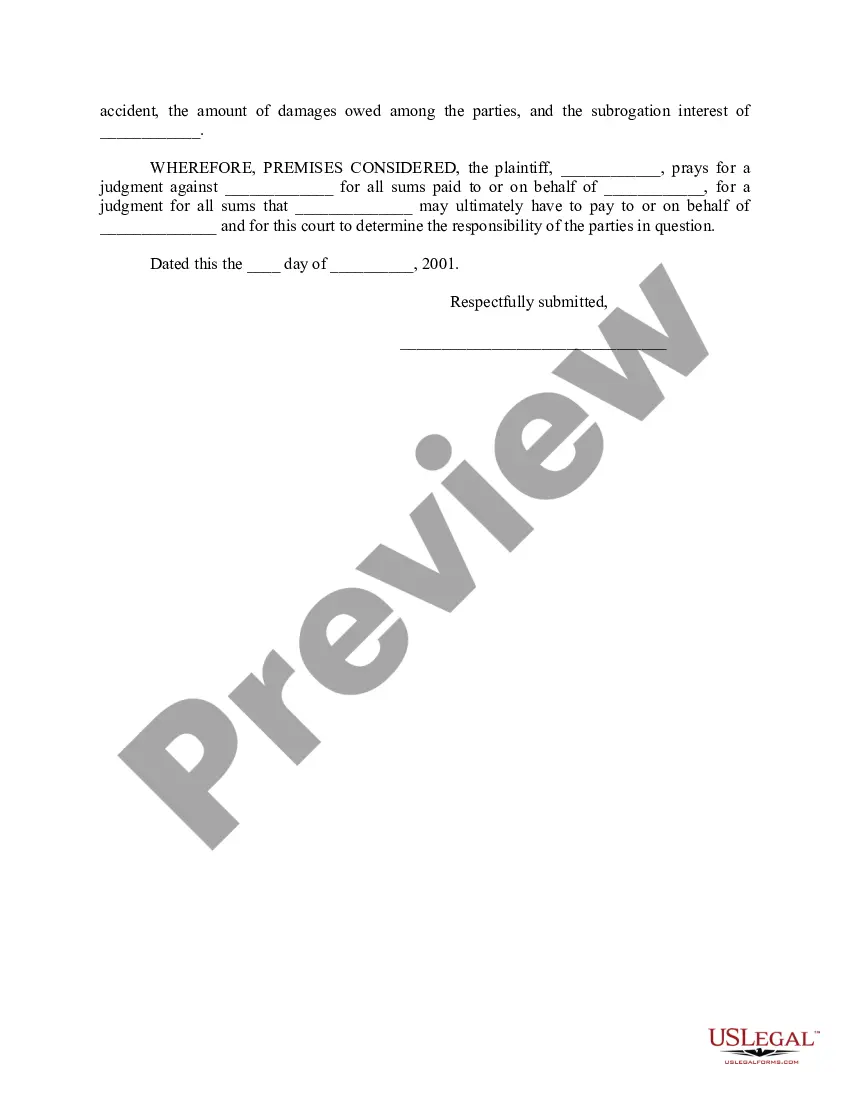
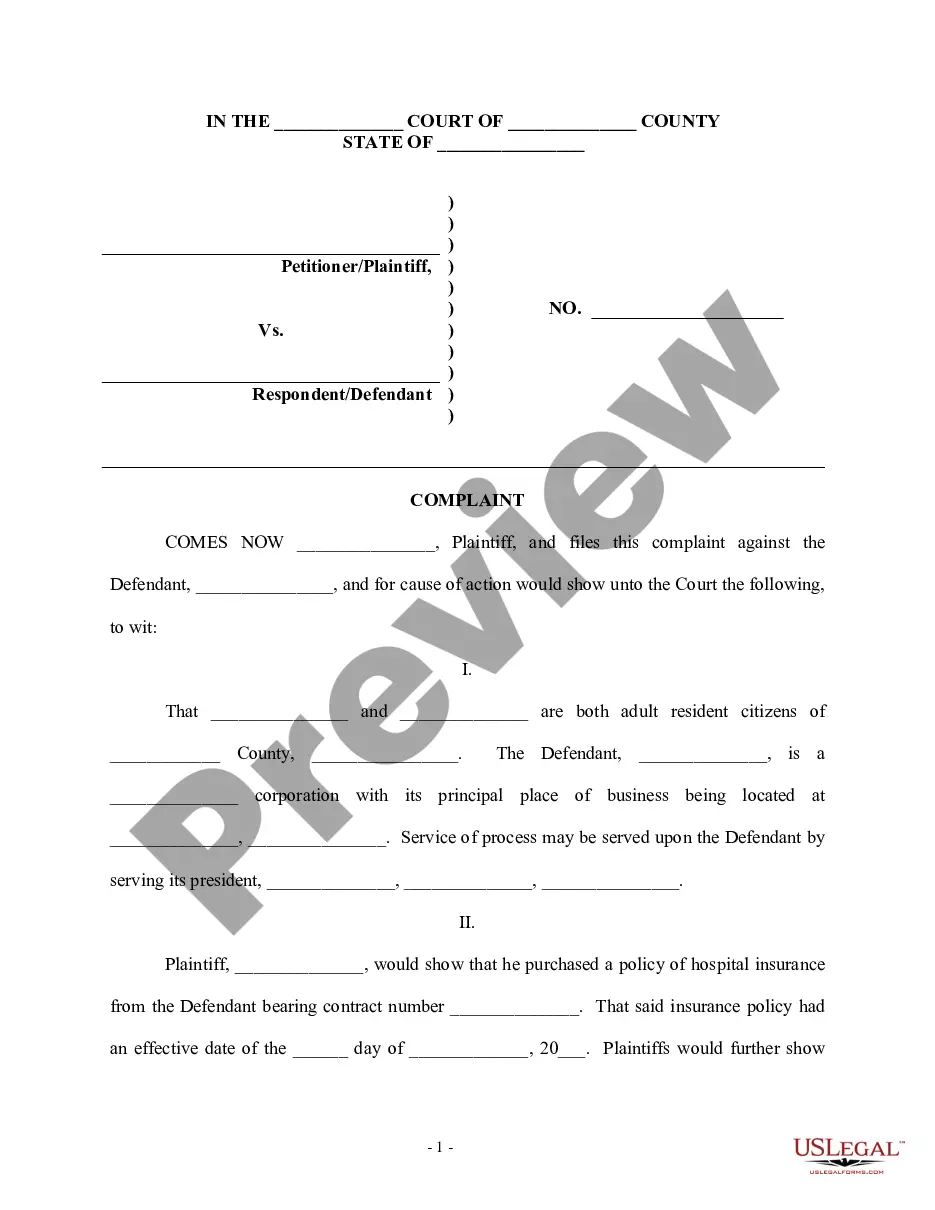
Declaratory Judgment Form Texas Withdraw In Collin
Description




Get your form ready online
Our built-in tools help you complete, sign, share, and store your documents in one place.
Make edits, fill in missing information, and update formatting in US Legal Forms—just like you would in MS Word.
Download a copy, print it, send it by email, or mail it via USPS—whatever works best for your next step.
Sign and collect signatures with our SignNow integration. Send to multiple recipients, set reminders, and more. Go Premium to unlock E-Sign.
If this form requires notarization, complete it online through a secure video call—no need to meet a notary in person or wait for an appointment.
We protect your documents and personal data by following strict security and privacy standards.

Make edits, fill in missing information, and update formatting in US Legal Forms—just like you would in MS Word.

Download a copy, print it, send it by email, or mail it via USPS—whatever works best for your next step.

Sign and collect signatures with our SignNow integration. Send to multiple recipients, set reminders, and more. Go Premium to unlock E-Sign.

If this form requires notarization, complete it online through a secure video call—no need to meet a notary in person or wait for an appointment.

We protect your documents and personal data by following strict security and privacy standards.
Looking for another form?



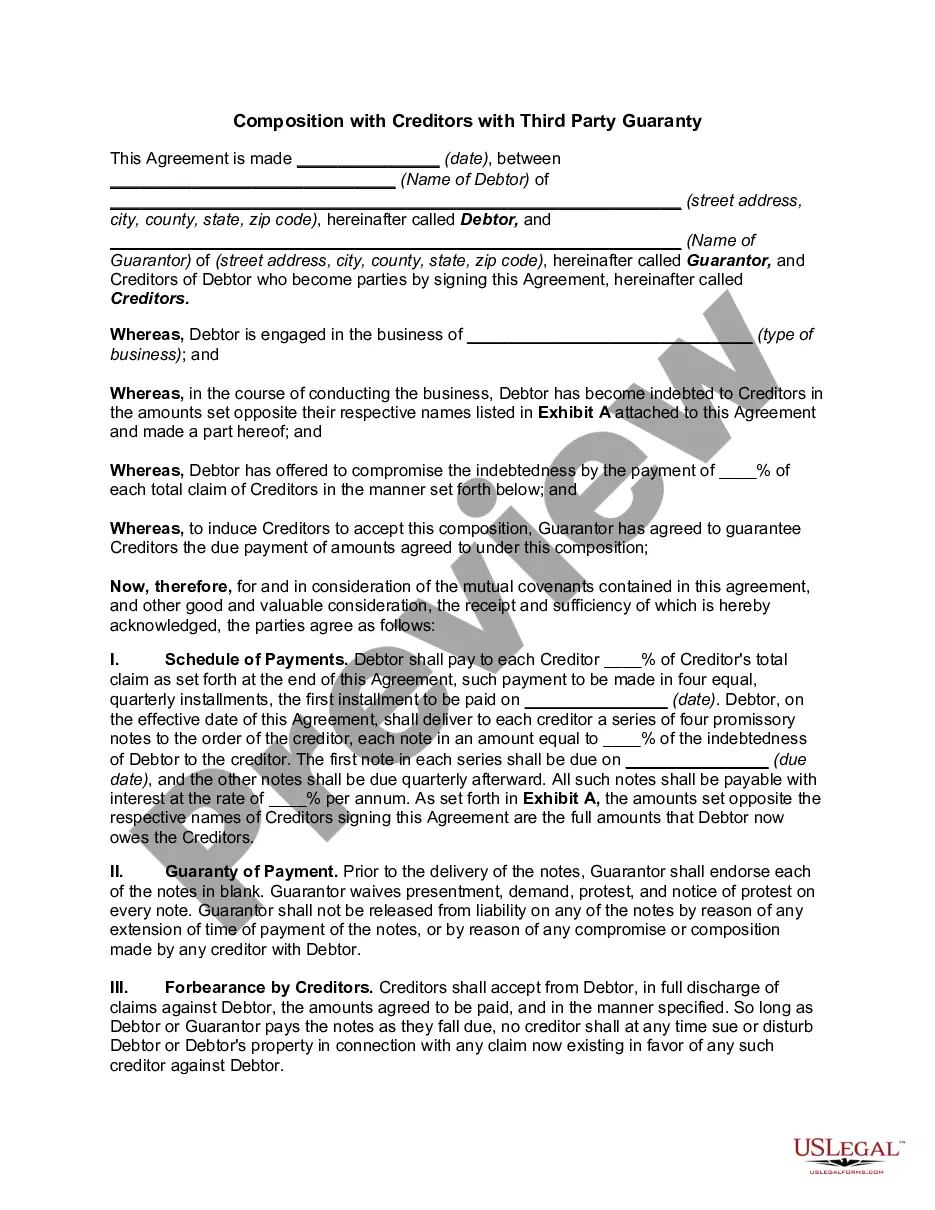
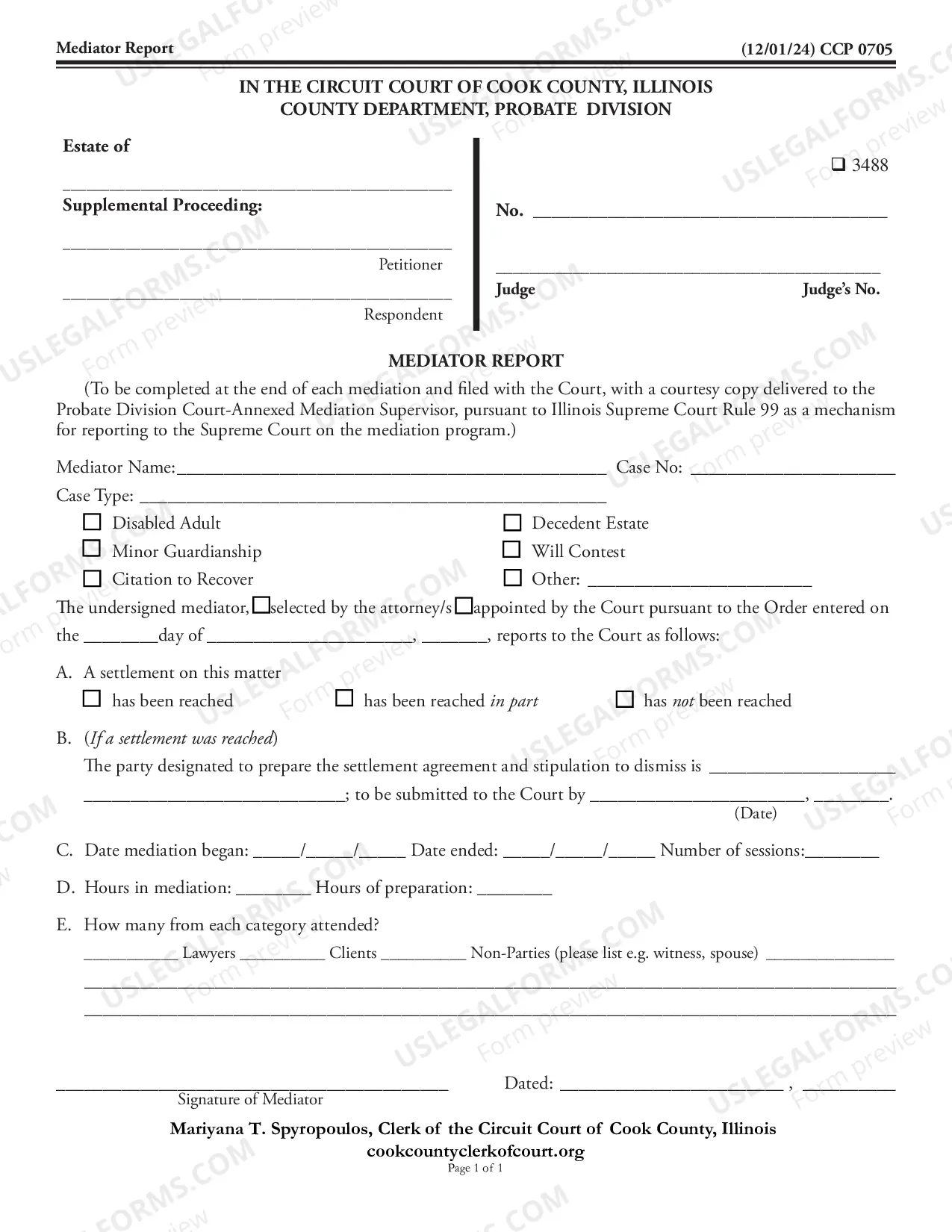
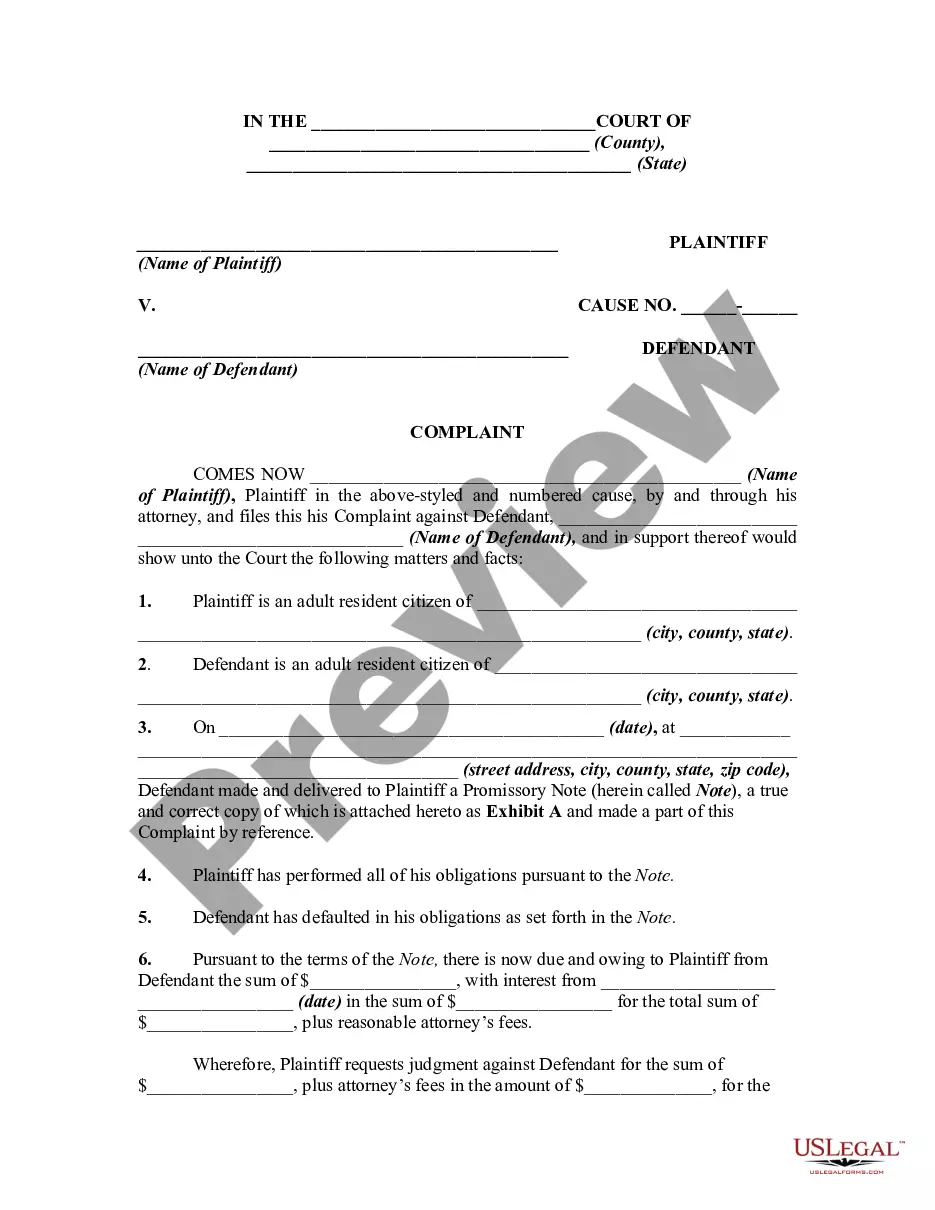
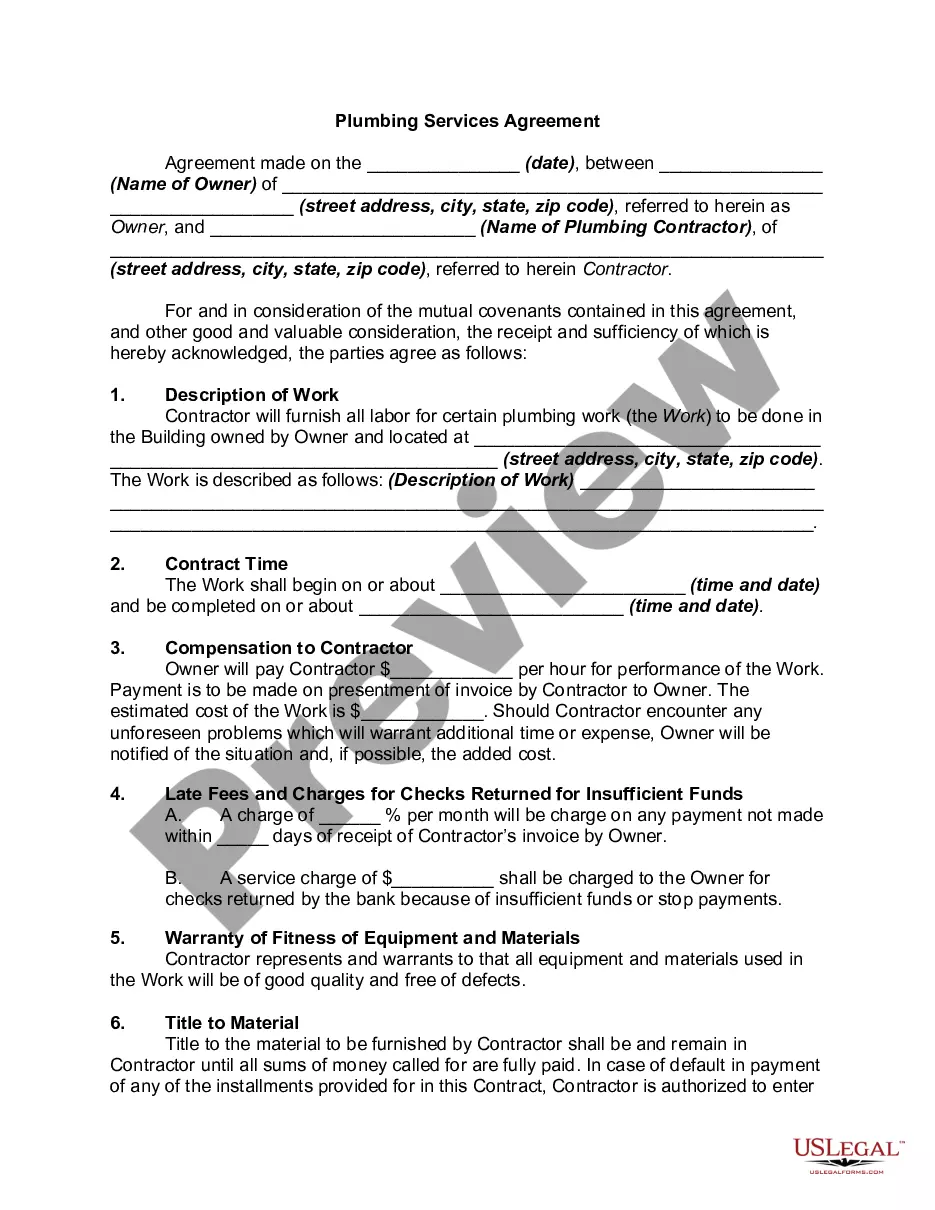


Form popularity
FAQ
Statewide Criminal History Check Criminal history information, including for both Travis County and the State of Texas, is available with the Texas Department of Public Safety. Please use the TDPS Criminal History Search, or call (855) 481-7070. Fees for this service may apply.
Locate a federal court case by using the Public Access to Court Electronic Records (PACER) or by visiting the Clerk's Office of the courthouse where the case was filed.
You can access various court records through legal databases like Lexis, Westlaw, and Fastcase. State Law Library patrons can use Fastcase remotely to find final opinions for select Texas and federal appellate cases.
Court Records: Please contact the clerks of the courts (District, County Courts at Law, Justice Courts) for any and all court records (divorce records, criminal cases, Probate, traffic tickets, lawsuits of any kind.) You can also verify a case number and case status online here to make it easier.
Abstract of Judgment: If the defendant owns real property (land), you can get an abstract of judgment from the court that issued the judgment and file it with the county clerk in the county or counties where the defendant owns the property.
File a Motion for Contempt. This motion notifies the court of the other party's failure to comply with the court order and seeks enforcement.
Small Claims The claim can be for no more than $20,000, excluding statutory interest and court costs but including attorney fees, if any.
Yes. The public can still request municipal court records from the court. Just like under the PIA, the public would have to submit the request for the municipal court records in writing.
Eviction cases must be filed in the in the justice court in the precinct and county where the property is located. If you file the case in any other precinct, the court must dismiss your case, and you do not get a refund of the filing fees. The court may be able to help you determine the proper precinct to file in.
Until a writ of possession is issued, the tenant can remain in their home. Step 1: Written Notice to Vacate. Unless the lease agreement says otherwise, the landlord must give the tenant at least 3 days to move out. Step 2: Filing of Eviction Suit. Step 3: Judgment. Step 4 (optional): Appeal. Step 5: Writ of Possession.