Motorist Uninsured Accident For Hit And Run In Clark
Description

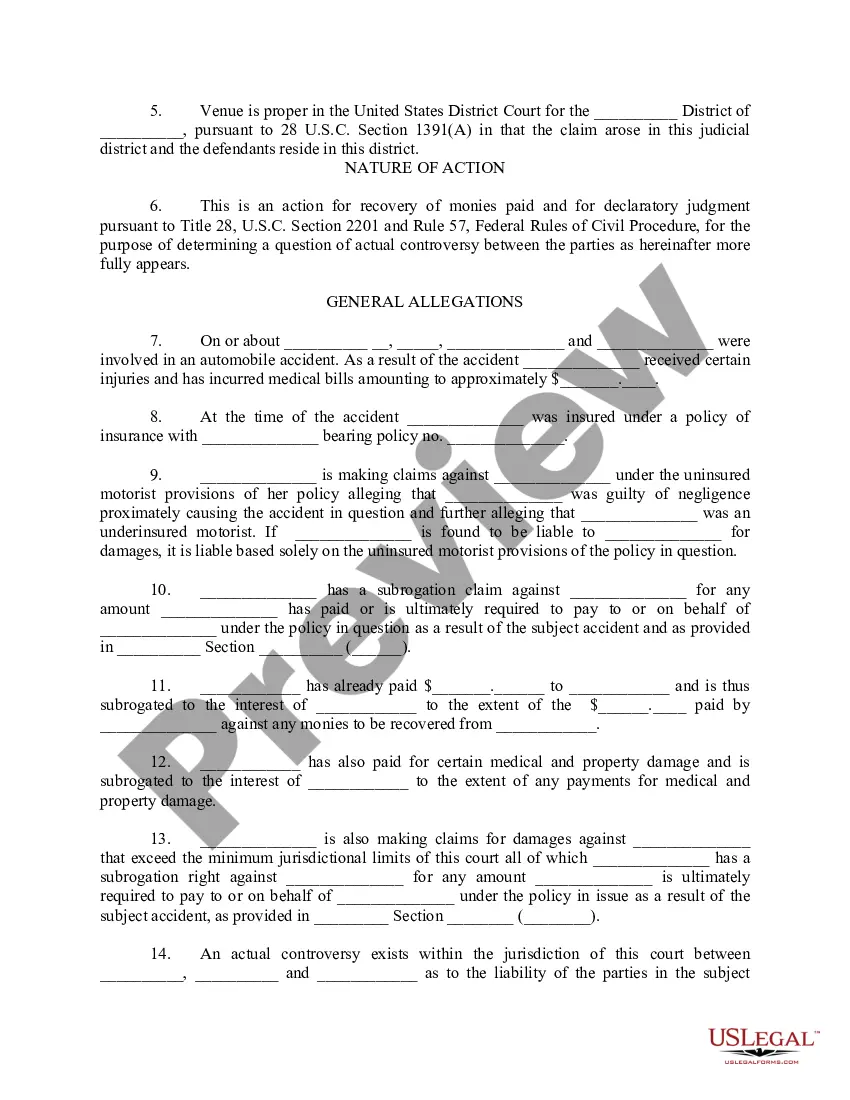
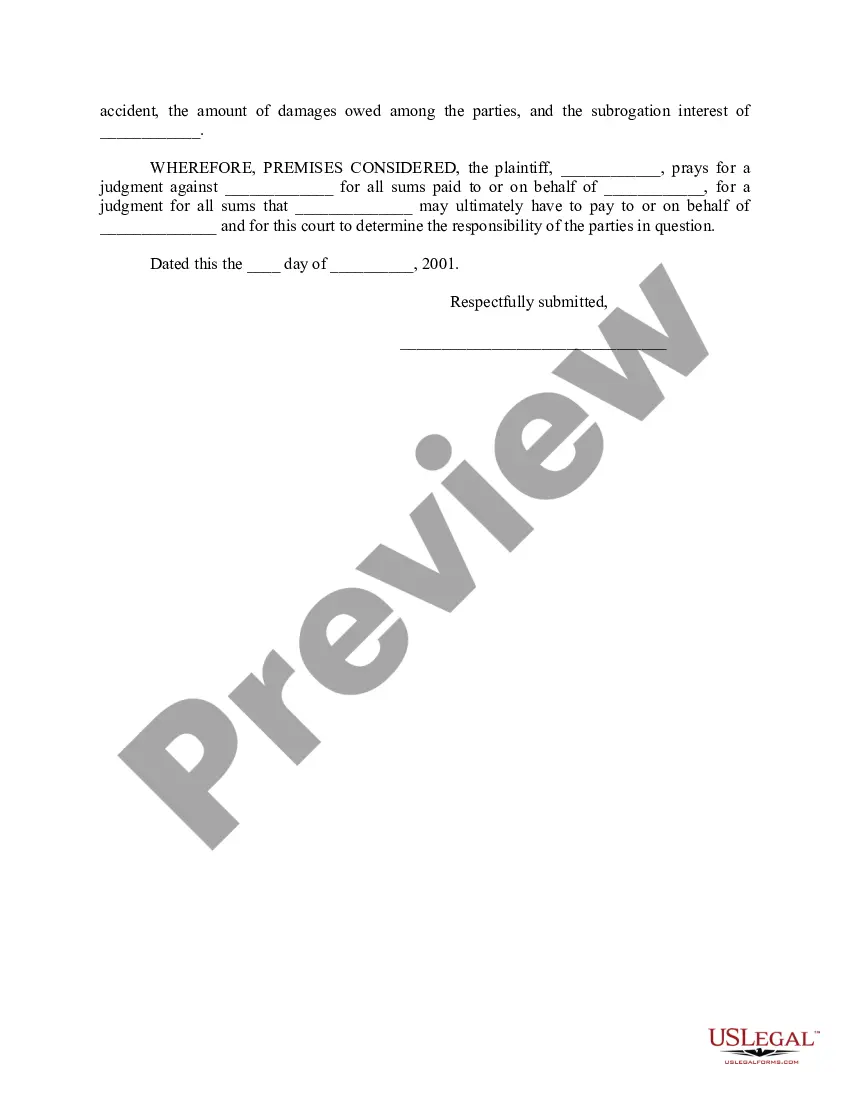



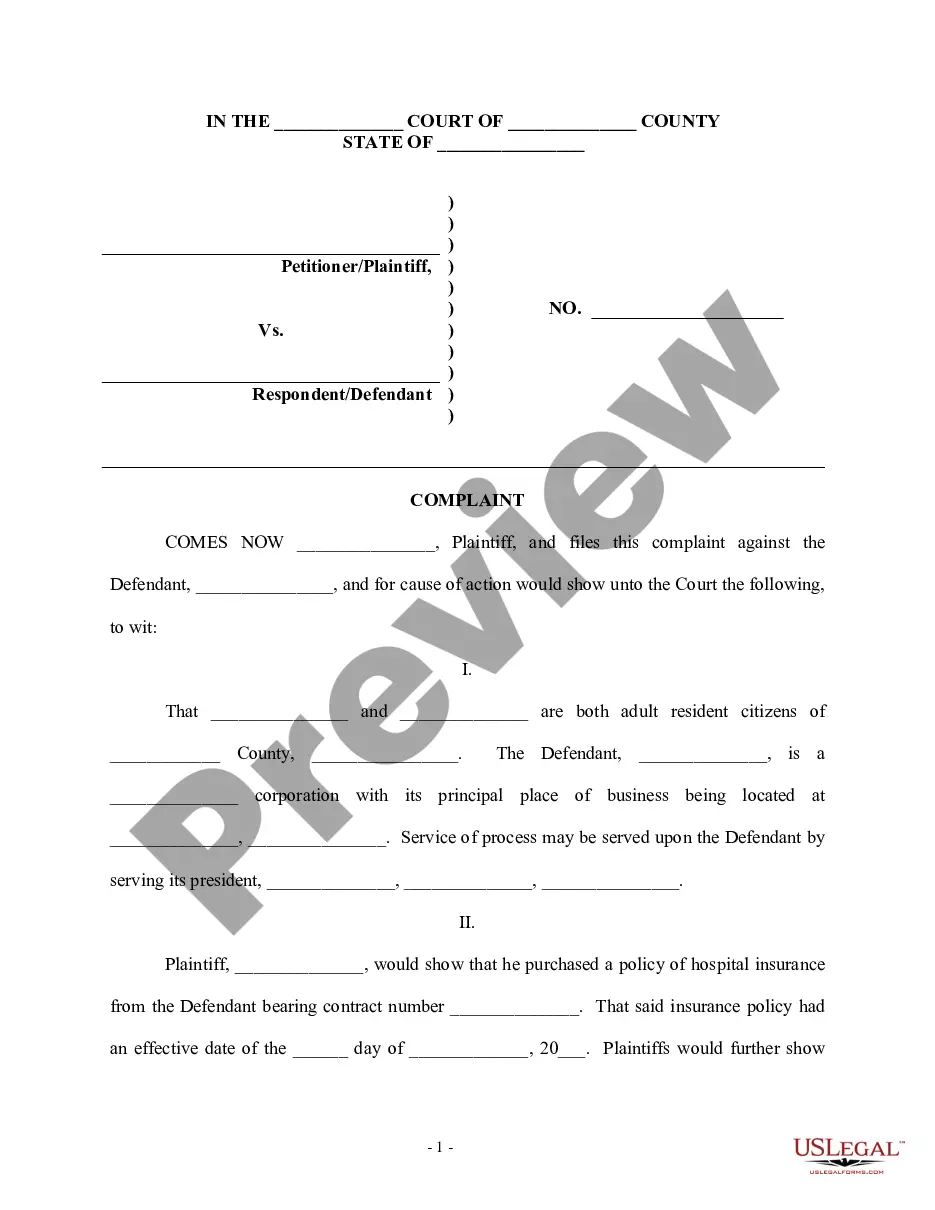
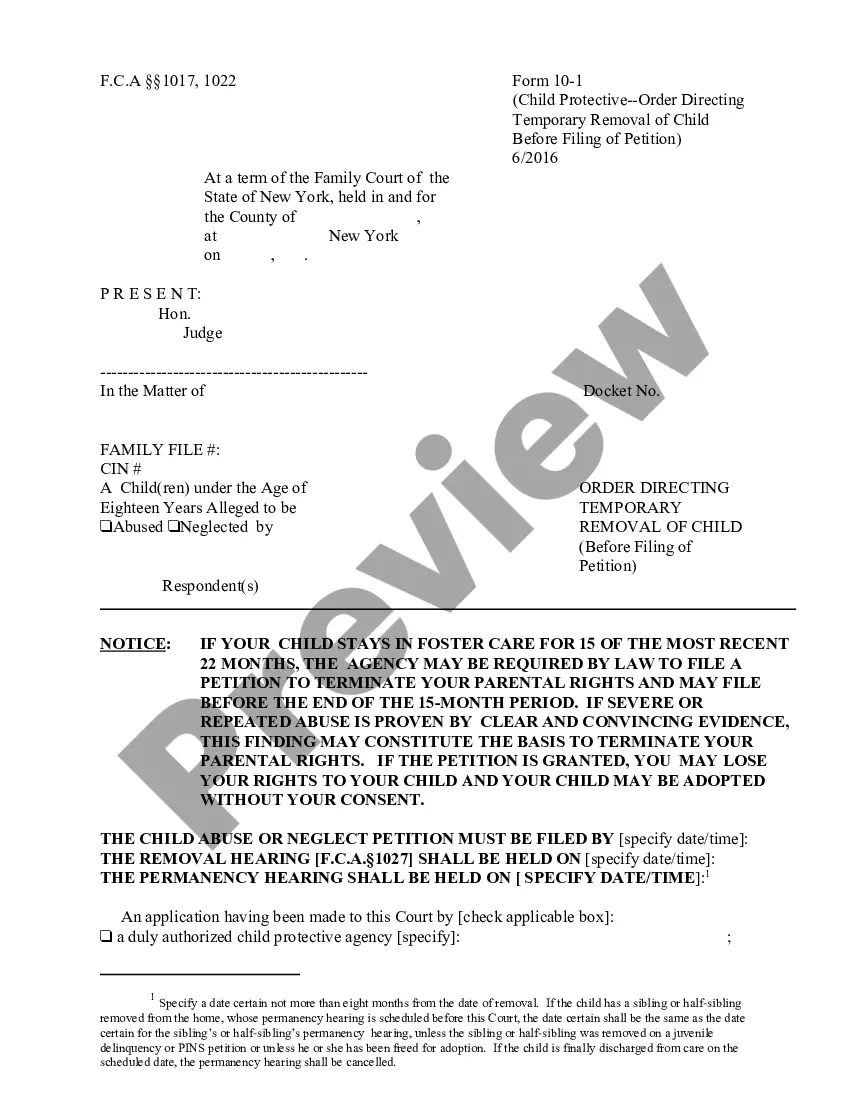
Get your form ready online
Our built-in tools help you complete, sign, share, and store your documents in one place.
Make edits, fill in missing information, and update formatting in US Legal Forms—just like you would in MS Word.
Download a copy, print it, send it by email, or mail it via USPS—whatever works best for your next step.
Sign and collect signatures with our SignNow integration. Send to multiple recipients, set reminders, and more. Go Premium to unlock E-Sign.
If this form requires notarization, complete it online through a secure video call—no need to meet a notary in person or wait for an appointment.
We protect your documents and personal data by following strict security and privacy standards.

Make edits, fill in missing information, and update formatting in US Legal Forms—just like you would in MS Word.

Download a copy, print it, send it by email, or mail it via USPS—whatever works best for your next step.

Sign and collect signatures with our SignNow integration. Send to multiple recipients, set reminders, and more. Go Premium to unlock E-Sign.

If this form requires notarization, complete it online through a secure video call—no need to meet a notary in person or wait for an appointment.

We protect your documents and personal data by following strict security and privacy standards.
Looking for another form?
Form popularity
FAQ
California law prevents insurance companies from increasing your rates for accidents where you are not considered principally at fault.
However, under California's proposition 103, insurance companies are not allowed to raise rates or drop a person because they made an uninsured motorist claim.
However, under California's proposition 103, insurance companies are not allowed to raise rates or drop a person because they made an uninsured motorist claim.
If you damage someone else's vehicle during a significant collision, and you're at fault, you should always file a claim.
An accident typically affects your car insurance rates for at least three years, although this varies by state and insurance provider. Even if it was a minor crash, insurers perceive you as a greater risk and will almost always increase your rates.
You can't sue the insurance company, but you can sue the driver who caused your vehicle damage. However, if you don't have bodily injury, you don't qualify for a personal injury claim.
You are not likely to go to jail. But there can be financial consequences. Laws vary by state in the US. Most states require what are ``state minimum'' coverage, which usually includes liability coverage.
If a driver hits your vehicle and flees, you can file a claim against your policy's uninsured motorist coverage. However, in some states, uninsured motorist coverage for property damage (UMPD) will not cover hit-and-run incidents.
In sum, it is vital to report any accident to your insurance company promptly. This will avoid giving your insurance company a basis for denying coverage that may otherwise be available to you. It will also activate many types of coverage to help you through this difficult time.