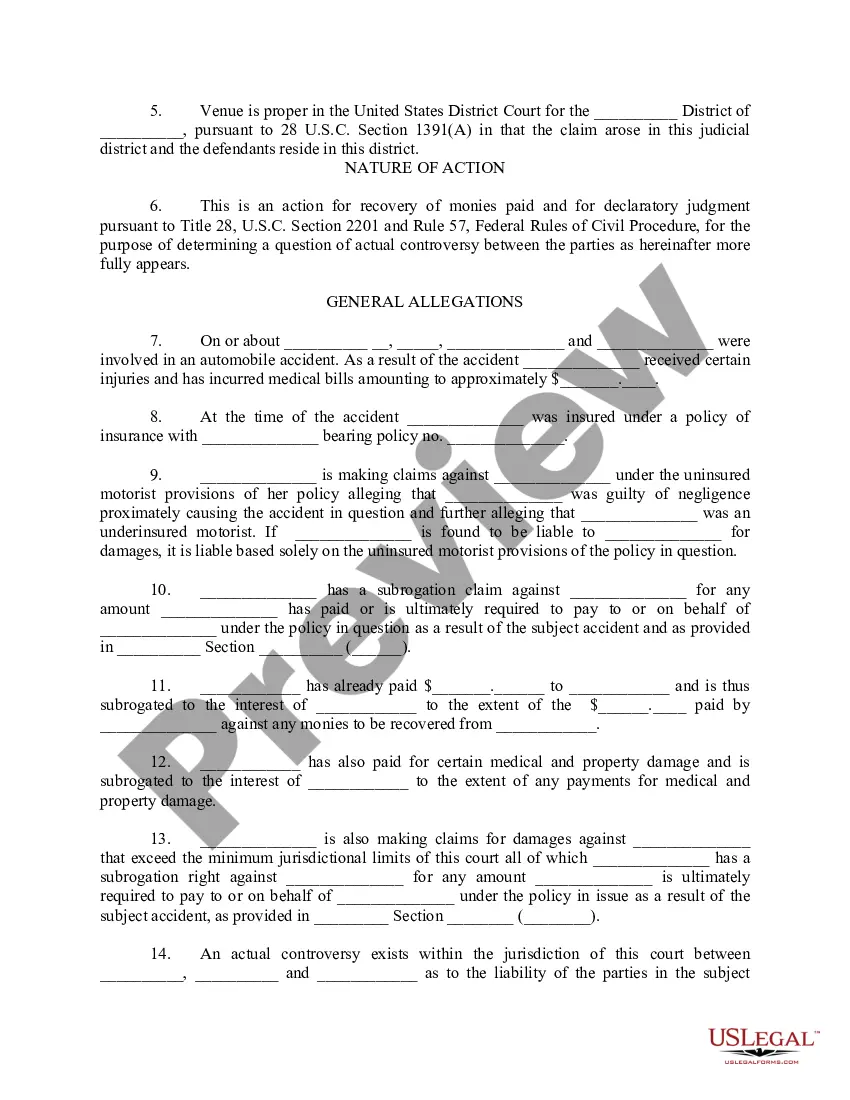
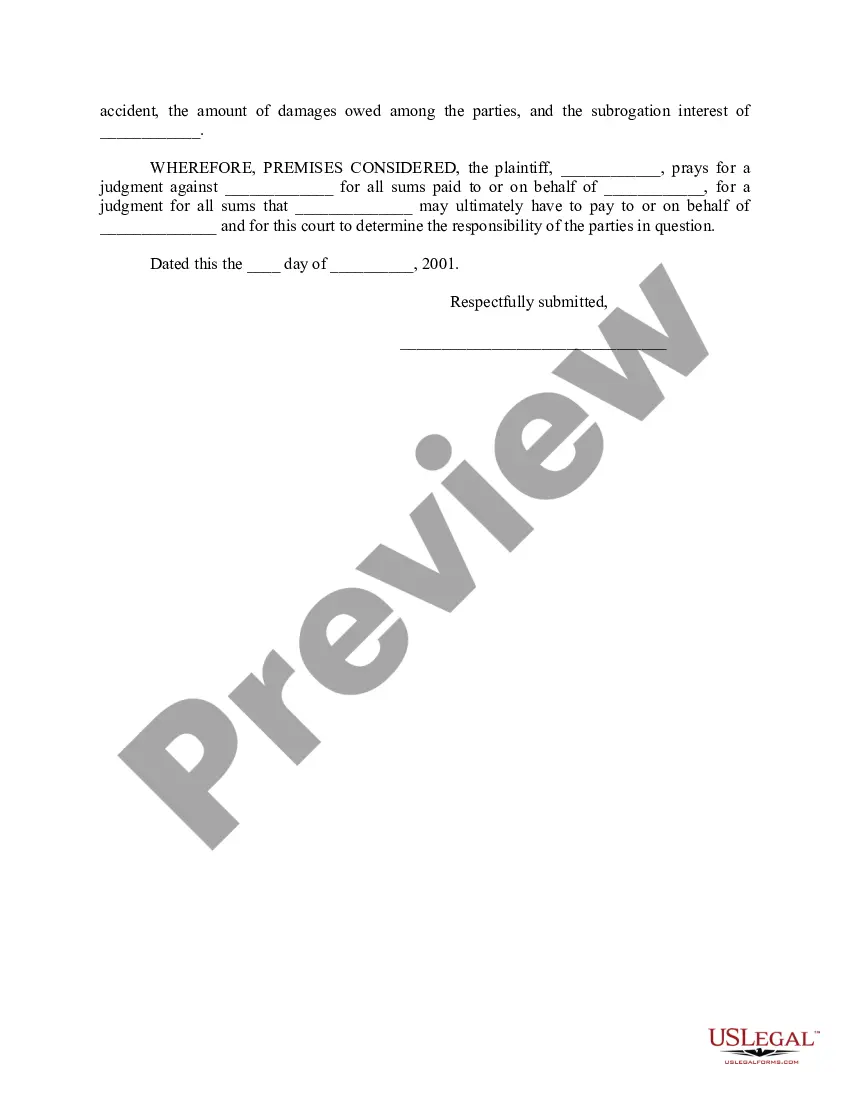
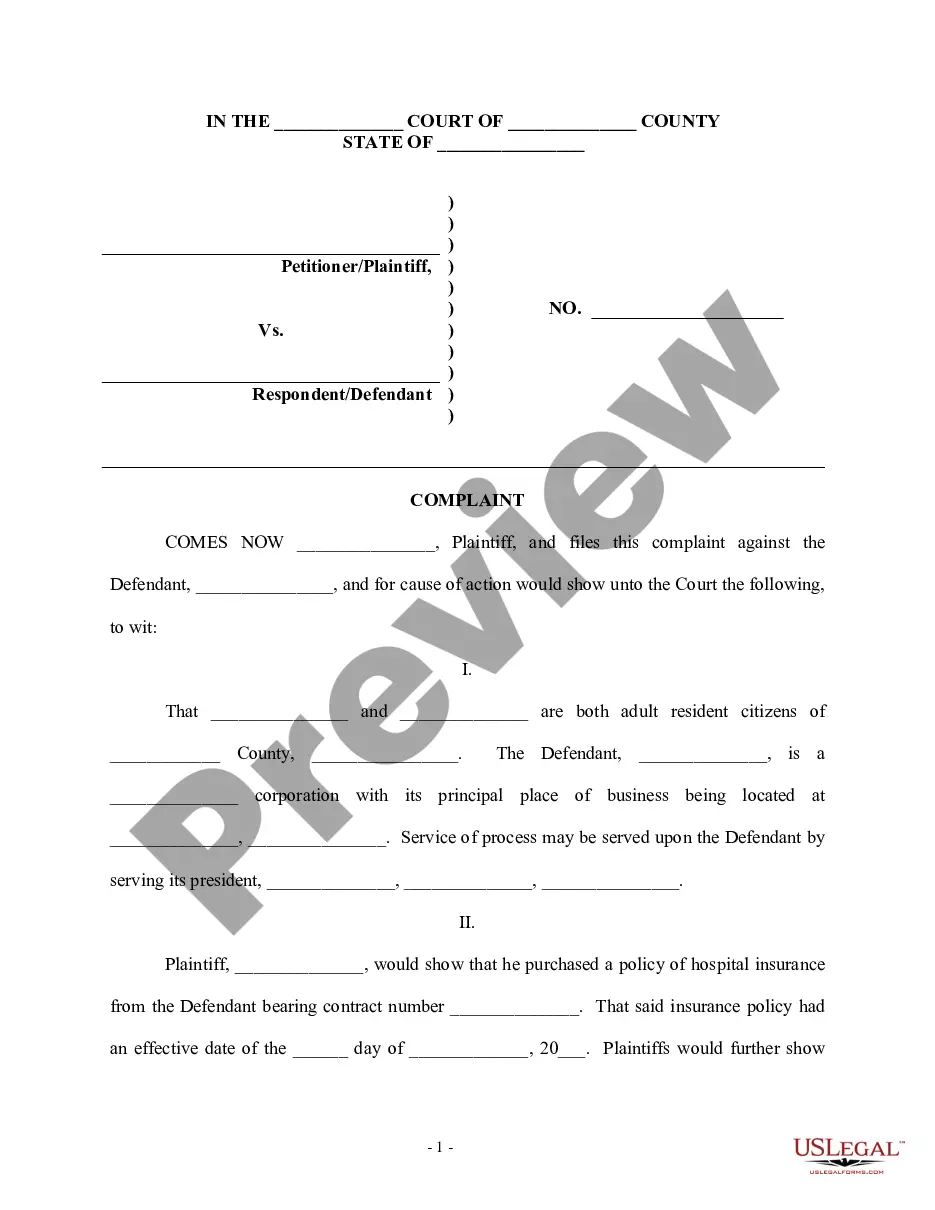
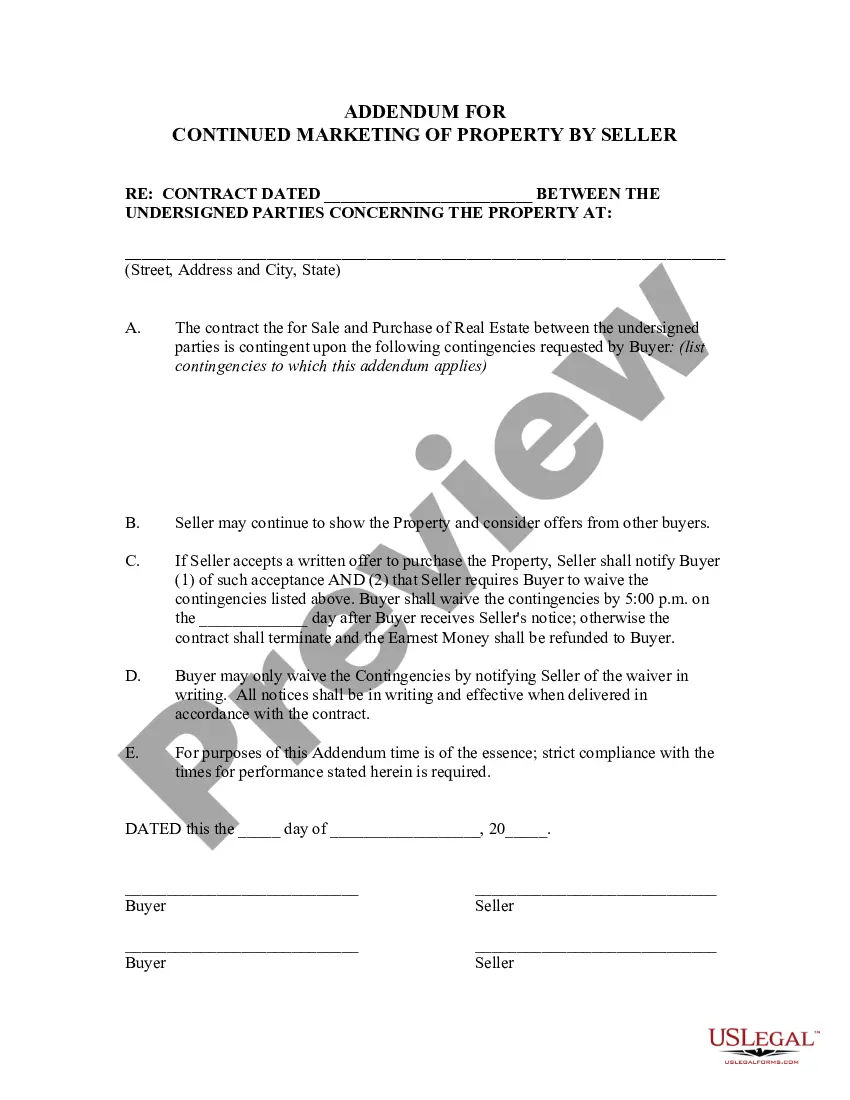
Claim For Subrogation In California
Description




Get your form ready online
Our built-in tools help you complete, sign, share, and store your documents in one place.
Make edits, fill in missing information, and update formatting in US Legal Forms—just like you would in MS Word.
Download a copy, print it, send it by email, or mail it via USPS—whatever works best for your next step.
Sign and collect signatures with our SignNow integration. Send to multiple recipients, set reminders, and more. Go Premium to unlock E-Sign.
If this form requires notarization, complete it online through a secure video call—no need to meet a notary in person or wait for an appointment.
We protect your documents and personal data by following strict security and privacy standards.

Make edits, fill in missing information, and update formatting in US Legal Forms—just like you would in MS Word.

Download a copy, print it, send it by email, or mail it via USPS—whatever works best for your next step.

Sign and collect signatures with our SignNow integration. Send to multiple recipients, set reminders, and more. Go Premium to unlock E-Sign.

If this form requires notarization, complete it online through a secure video call—no need to meet a notary in person or wait for an appointment.

We protect your documents and personal data by following strict security and privacy standards.
Looking for another form?








Form popularity
FAQ
California law states your insurance company must file a subrogation claim within three years of the accident that caused your injuries.
One challenge you might face when fighting a subrogation claim is proving your innocence. If you were not liable for the injury and your lawyer is able to prove that, then the insurance company will have a much harder time pursuing you for reimbursement.
Insurance companies don't have forever to make a subrogation claim. While the statutory limitations period can vary depending on the type of subrogation claim made—and in which jurisdiction it is made—the standard statute of limitations ranges from one to six years.
The Anti-Subrogation Rule (“ASR”) is a common law defense to subrogation. It states that a subrogated insurance company standing in the shoes of its insured cannot bring a subrogation action against or sue its own insured.
If you have insurance and someone files a subrogation claim against you, the best step you can take is to notify your insurer immediately. Most insurance contracts require you to let them know about accidents in a timely manner, regardless of who's at fault.
How long does subrogation take? The subrogation process can take weeks, months, or sometimes years to complete, depending on the circumstances of the accident, the complexity of the claim, and the state where it occurred. Pro tip: Subrogation can also apply to property and health insurance claims.
You will want to immediately notify your own insurer to determine how they can assist you. A subrogation claim is not going to go away on its own. If you ignore the letter, the insurer will file a lawsuit against you, the party being held responsible, and the insurer will win, almost every time.
