Pay Benefits Jury For Noncapital Felonies In San Antonio
Description
Get your form ready online
Our built-in tools help you complete, sign, share, and store your documents in one place.
Make edits, fill in missing information, and update formatting in US Legal Forms—just like you would in MS Word.
Download a copy, print it, send it by email, or mail it via USPS—whatever works best for your next step.
Sign and collect signatures with our SignNow integration. Send to multiple recipients, set reminders, and more. Go Premium to unlock E-Sign.
If this form requires notarization, complete it online through a secure video call—no need to meet a notary in person or wait for an appointment.
We protect your documents and personal data by following strict security and privacy standards.
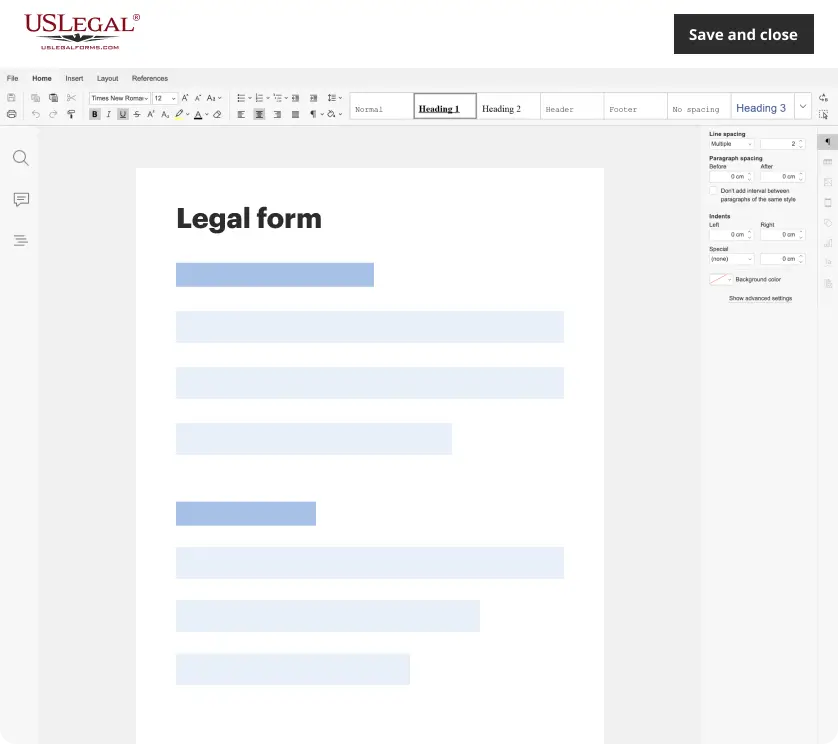
Make edits, fill in missing information, and update formatting in US Legal Forms—just like you would in MS Word.
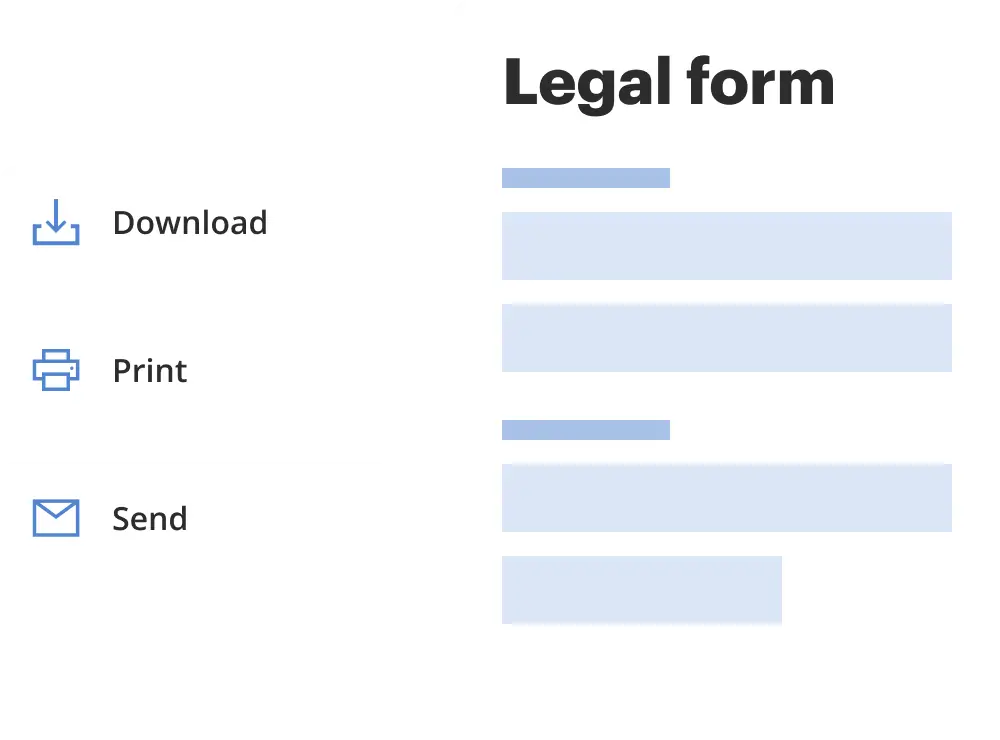
Download a copy, print it, send it by email, or mail it via USPS—whatever works best for your next step.
Sign and collect signatures with our SignNow integration. Send to multiple recipients, set reminders, and more. Go Premium to unlock E-Sign.
If this form requires notarization, complete it online through a secure video call—no need to meet a notary in person or wait for an appointment.
We protect your documents and personal data by following strict security and privacy standards.
Looking for another form?
Form popularity
FAQ
There are many statutes and regulations in Texas that place restrictions on certain jobs, permits, scholarships, voting eligibility, ownership of weapons, and other aspects after a person with a felony conviction is released from prison.
Be able to read and write; not have served as a juror for six days during the preceding three months in the county court or during the preceding six months in the district court; and. not have been convicted of, or be under indictment or other legal accusation for, misdemeanor theft or a felony.
Exemptions Are over 75 years of age. Have legal custody of a child or children under twelve (12) years of age and serving jury duty would necessitate leaving this child or children without adequate supervision. Attend high school or are enrolled in college, attending full-time.
You cannot serve on a jury if: You have been convicted of a felony or of any type of theft (unless rights have been restored) You are now on probation or deferred adjudication for a felony or for any type of theft. You are now under indictment for a felony or are now under criminal charges for any type of theft.
You can be fined from $100 to $1,000 for failing to answer the summons. If you fail to attend court without a reasonable excuse, you can be fined $100 to $500. Filing a false claim of exemption from jury service can also result in fines.
Under California law, a convicted felon is disqualified from serving on a jury until and unless his or her civil rights have been restored. Restoring one's civil rights is no small task, however, as it involves one being granted a Certificate of Rehabilitation or being granted a pardon from the Governor.
Impact of Criminal Convictions on Jury Duty Eligibility The severity of the conviction determines the length and nature of disqualification: Felony Convictions: Individuals with felony convictions may be permanently disqualified from serving on a jury in Texas.
For jurors selected to serve on a jury, compensation is set at $58 per day, or part of a day, until the completion of their service. A check will be issued to the address to which your summons was originally mailed unless you specify an alternative address.