Habeas Corpus In Legal Terms In San Jose
Description
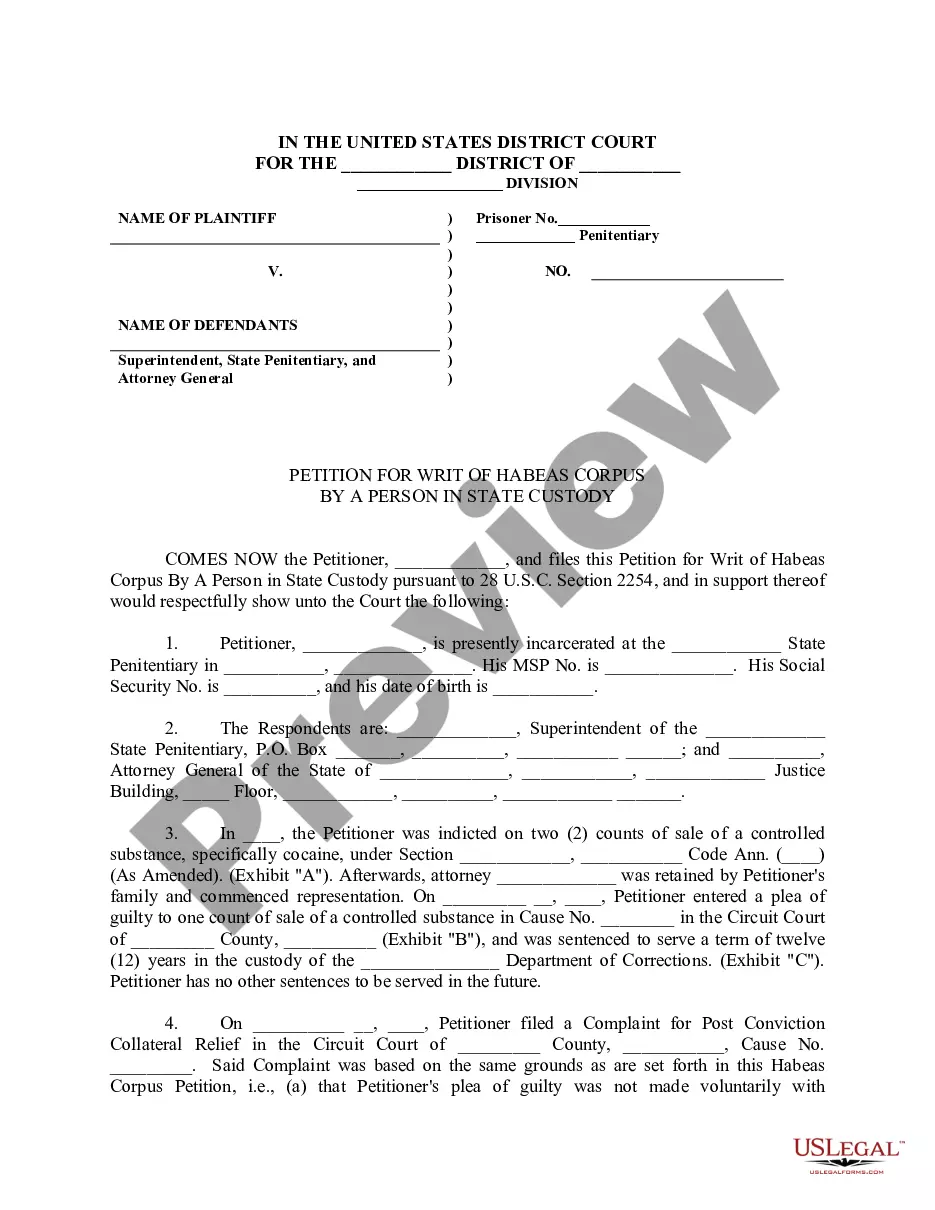
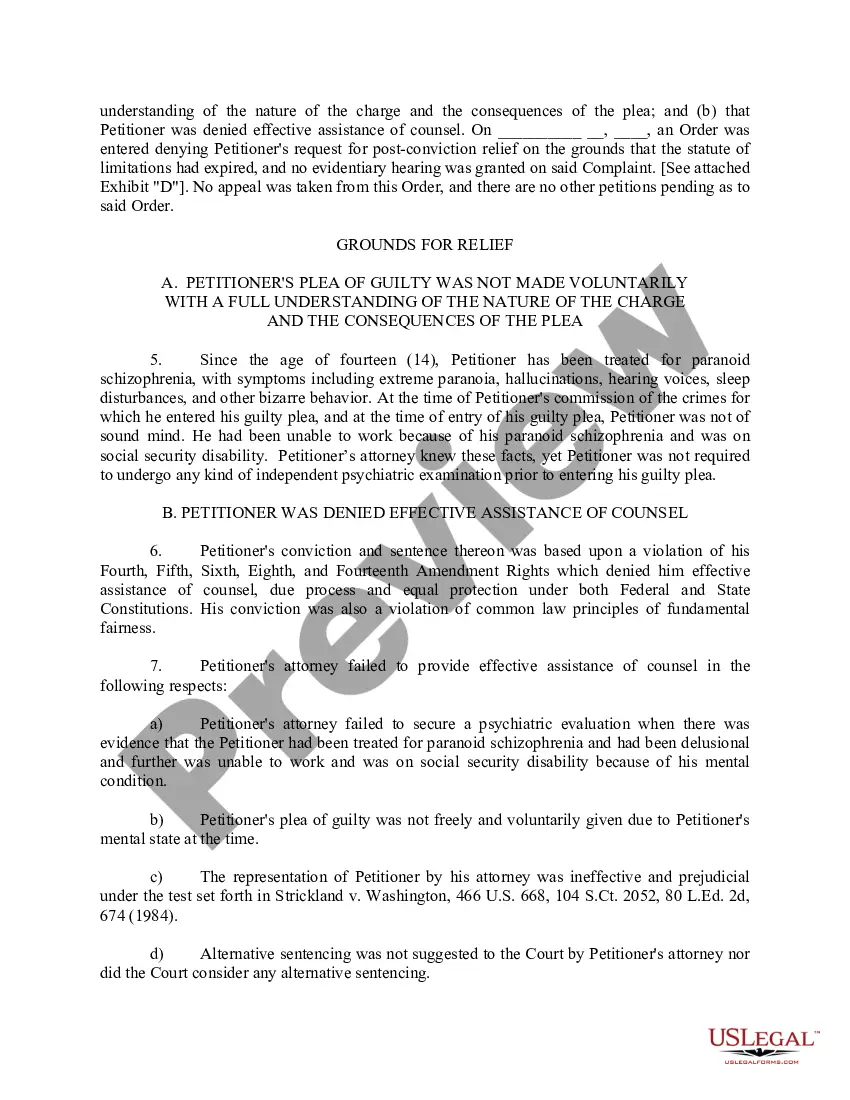
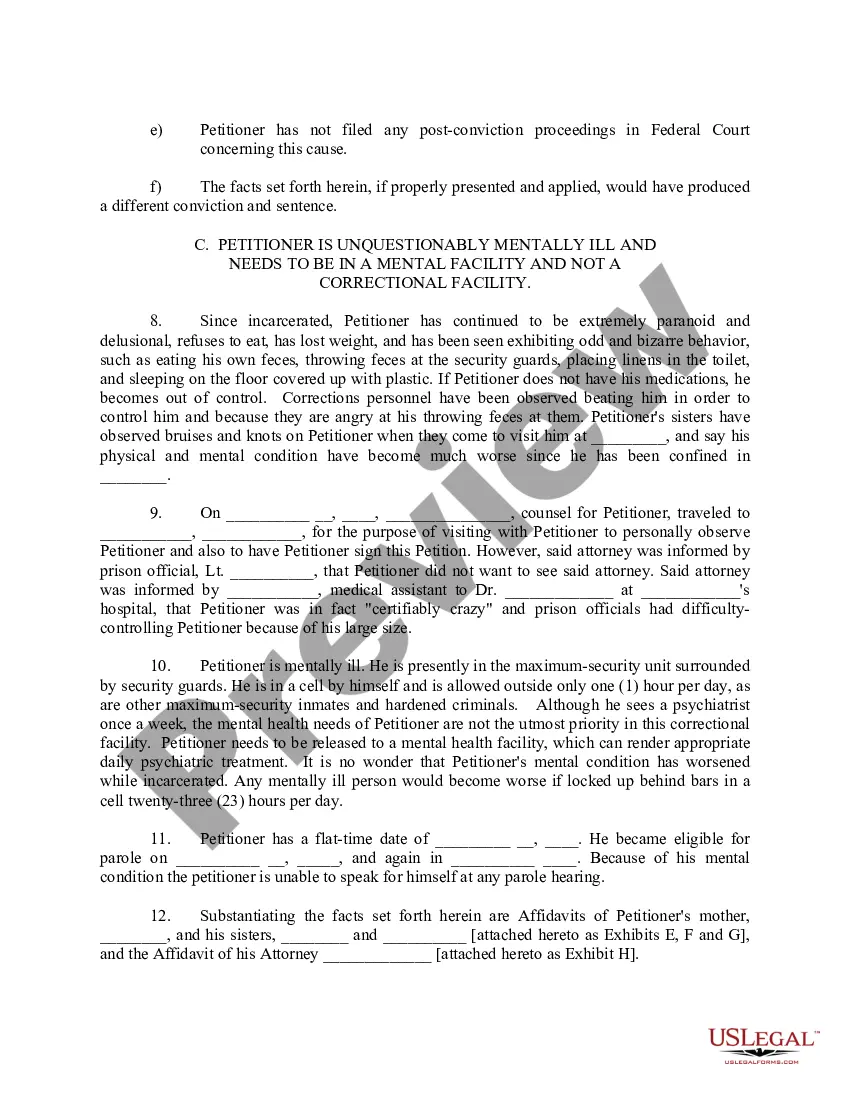
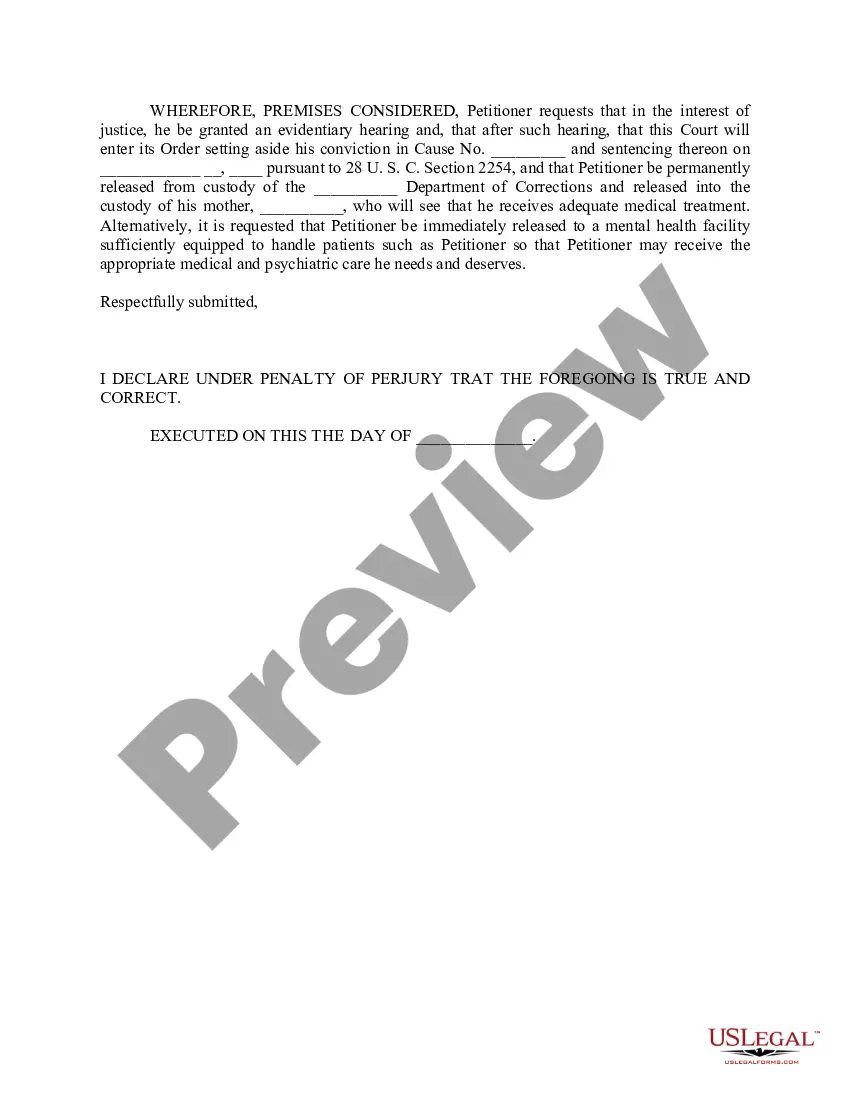
Get your form ready online
Our built-in tools help you complete, sign, share, and store your documents in one place.
Make edits, fill in missing information, and update formatting in US Legal Forms—just like you would in MS Word.
Download a copy, print it, send it by email, or mail it via USPS—whatever works best for your next step.
Sign and collect signatures with our SignNow integration. Send to multiple recipients, set reminders, and more. Go Premium to unlock E-Sign.
If this form requires notarization, complete it online through a secure video call—no need to meet a notary in person or wait for an appointment.
We protect your documents and personal data by following strict security and privacy standards.

Make edits, fill in missing information, and update formatting in US Legal Forms—just like you would in MS Word.

Download a copy, print it, send it by email, or mail it via USPS—whatever works best for your next step.

Sign and collect signatures with our SignNow integration. Send to multiple recipients, set reminders, and more. Go Premium to unlock E-Sign.

If this form requires notarization, complete it online through a secure video call—no need to meet a notary in person or wait for an appointment.

We protect your documents and personal data by following strict security and privacy standards.
Looking for another form?
Form popularity
FAQ
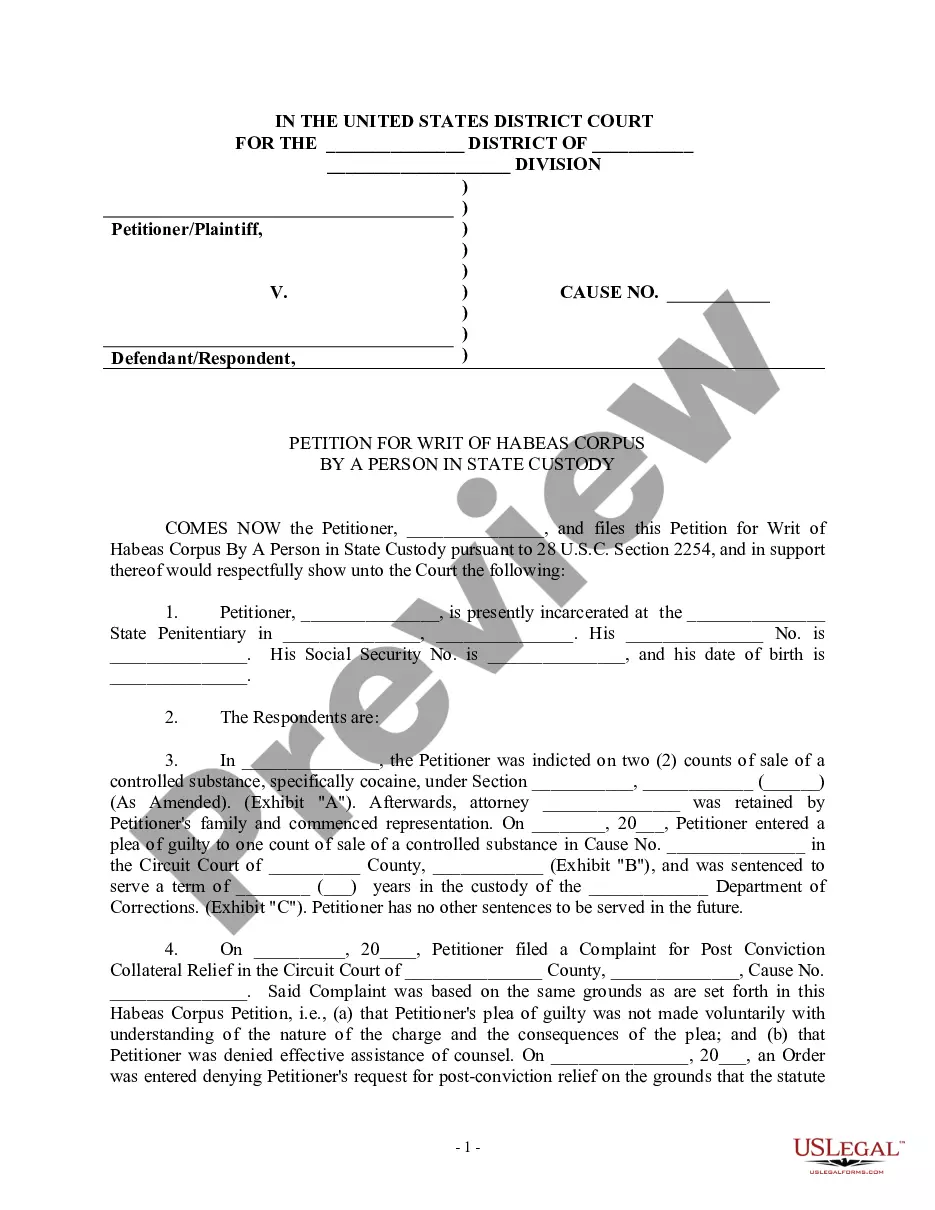
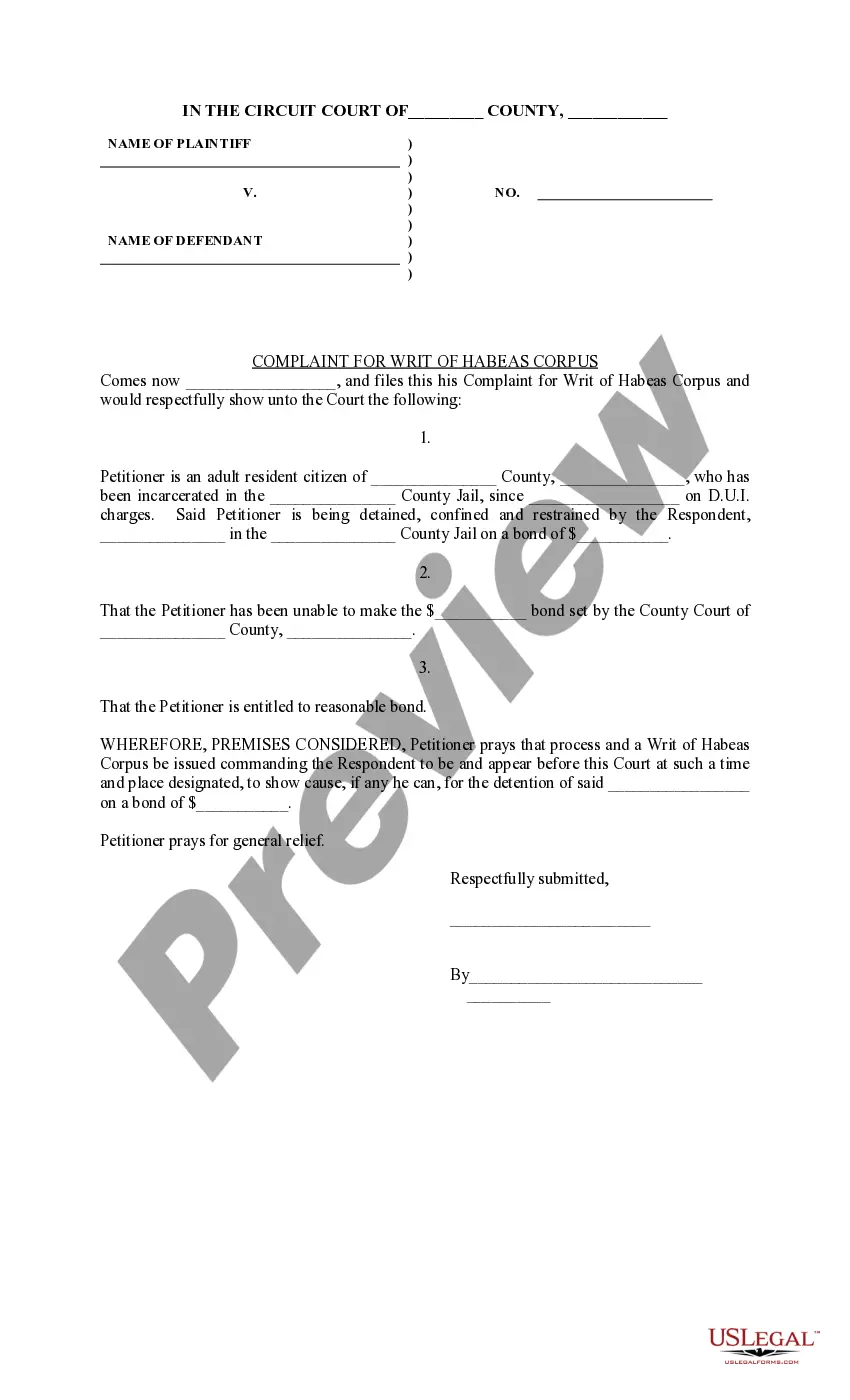
The term "habeas corpus" is Latin for "you should have the body." It is a legal mechanism that enables prisoners and detainees to challenge the conditions of their conviction, sentencing, or detainment—effectively stating that they have been wrongfully imprisoned or detained.
Today, habeas corpus is mainly used as a post-conviction remedy for state or federal prisoners who challenge the legality of the application of federal laws that were used in the judicial proceedings that resulted in their detention.
James Liebman, Professor of Law at Columbia Law School, stated in 1996 that his study found that when habeas corpus petitions in death penalty cases were traced from conviction to completion of the case that there was "a 40 percent success rate in all capital cases from 1978 to 1995." Similarly, a study by Ronald Tabek ...
Thus, to effectively file a writ of habeas corpus in California state court, an inmate must have been convicted and either serving a sentence of incarceration, probation or parole. They must have also filed a direct appeal to the appellate court and then to the California Supreme Court.
The court must rule on a petition for writ of habeas corpus within 60 days after the petition is filed. (B) If the court fails to rule on the petition within 60 days of its filing, the petitioner may file a notice and request for ruling.
The court must rule on a petition for writ of habeas corpus within 60 days after the petition is filed. (B) If the court fails to rule on the petition within 60 days of its filing, the petitioner may file a notice and request for ruling.
The denial of a petition becomes final immediately if the Court of Appeal has not previously issued an alternative writ or order to show cause. (Cal. Rules of Ct., rule 8.264(a)(2)(A).) That means that a petition for review from summary denial of a petition for writ of habeas corpus must be filed within ten days.
After the Writ of Habeas Corpus is filed, the Court has a few options. The Court may deny the Writ, the Court may request that the government submit a response to the Writ, or the Court may grant the Writ.
A number of people arrested and detained throughout the country sought writs of habeas corpus before the courts. He wanted them released through writs of habeas corpus, a right hitherto granted only to human prisoners.