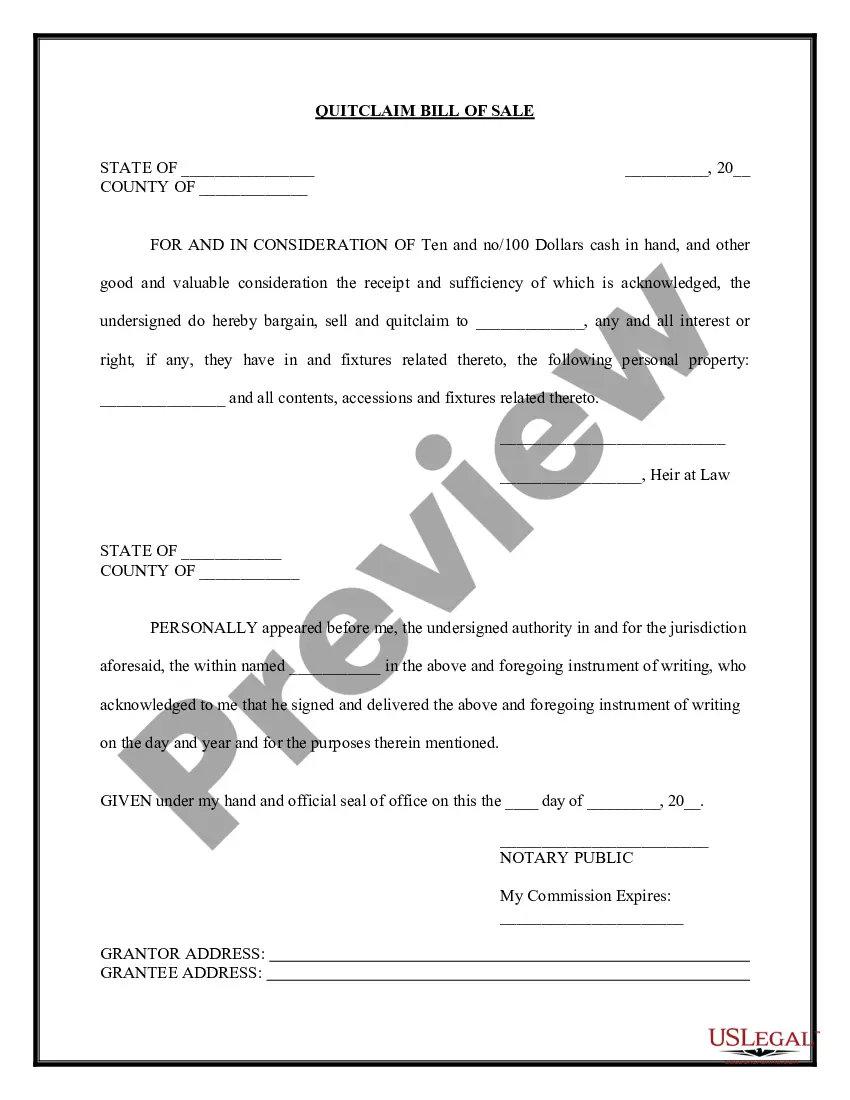
Petition Writ Form With 2 Points In Salt Lake
Description






Get your form ready online
Our built-in tools help you complete, sign, share, and store your documents in one place.
Make edits, fill in missing information, and update formatting in US Legal Forms—just like you would in MS Word.
Download a copy, print it, send it by email, or mail it via USPS—whatever works best for your next step.
Sign and collect signatures with our SignNow integration. Send to multiple recipients, set reminders, and more. Go Premium to unlock E-Sign.
If this form requires notarization, complete it online through a secure video call—no need to meet a notary in person or wait for an appointment.
We protect your documents and personal data by following strict security and privacy standards.

Make edits, fill in missing information, and update formatting in US Legal Forms—just like you would in MS Word.

Download a copy, print it, send it by email, or mail it via USPS—whatever works best for your next step.

Sign and collect signatures with our SignNow integration. Send to multiple recipients, set reminders, and more. Go Premium to unlock E-Sign.

If this form requires notarization, complete it online through a secure video call—no need to meet a notary in person or wait for an appointment.

We protect your documents and personal data by following strict security and privacy standards.
Looking for another form?








Form popularity
FAQ
A complaint or petition starting a case must be filed with the court that has the authority to handle it. This is called "jurisdiction." Most civil cases, including divorce and eviction, are filed in district court. Small claims cases are filed in justice court (except in Cache County).
Writs of Certiorari The primary means to petition the court for review is to ask it to grant a writ of certiorari. This is a request that the Supreme Court order a lower court to send up the record of the case for review.
How likely is it that the Supreme Court will grant certiorari in a given case? It is not very likely. ing to the Harvard Law Review, roughly 6,200 cert petitions were filed during the 2016 Term, and the Supreme Court granted only 75 of those, or 1.2%.
(1) A party petitioning for a writ of mandamus or prohibition directed to a court must file the petition with the circuit clerk and serve it on all parties to the proceeding in the trial court. The party must also provide a copy to the trial-court judge.
A Petition for Writ of Certiorari is an appellee's formal request to a state Supreme Court or to the Supreme Court of the United States to review a case for error or violation that occurred in a lower court.
A Notice of Appeal in a justice court criminal case or small claims case must be filed with the justice court within 28 days of the entry of a justice court order or judgment.
These papers can be served by: Mailing them to the last known address provided. Handing them to the person. Emailing them to the most recent email address provided.