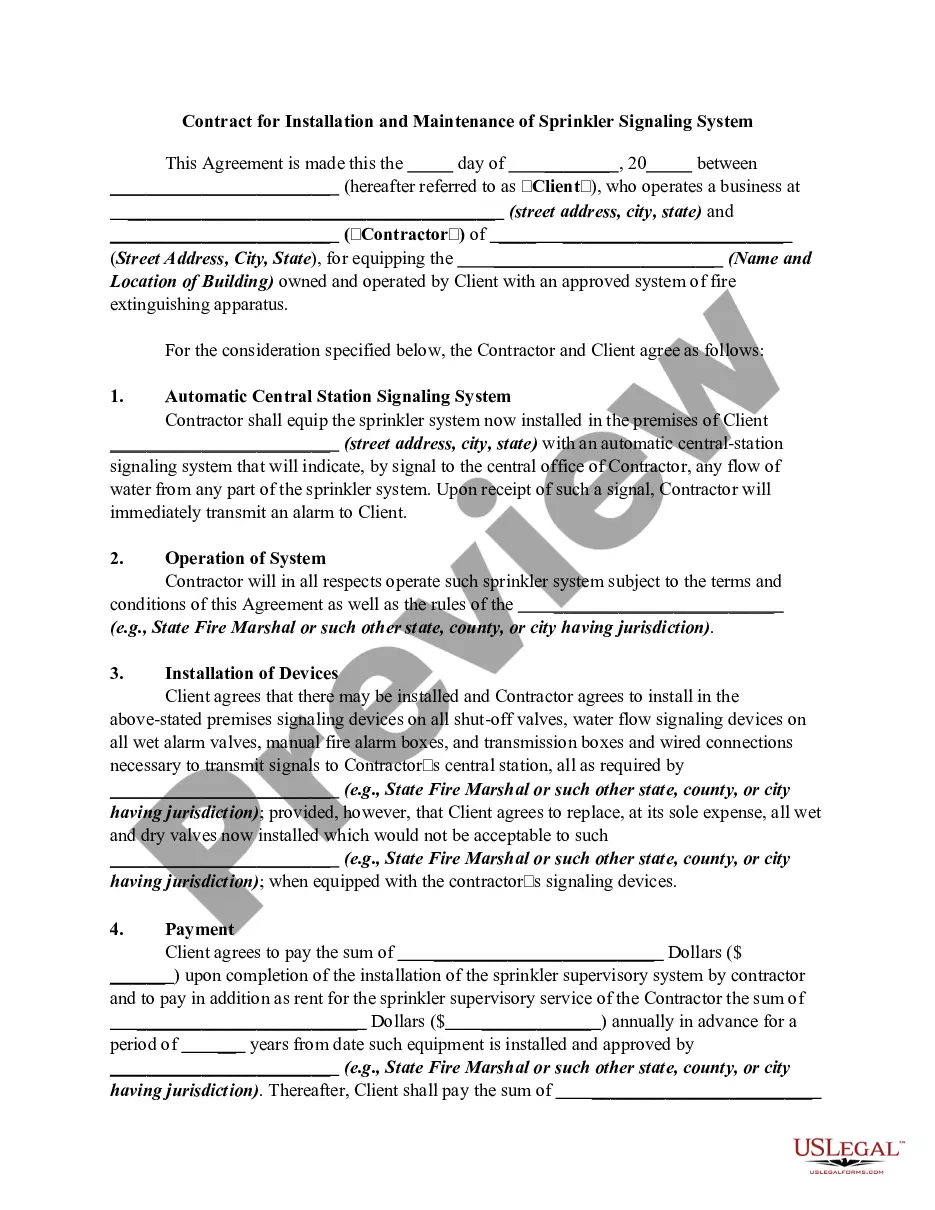
Petition Writ Form With Court In Ohio
Description






Get your form ready online
Our built-in tools help you complete, sign, share, and store your documents in one place.
Make edits, fill in missing information, and update formatting in US Legal Forms—just like you would in MS Word.
Download a copy, print it, send it by email, or mail it via USPS—whatever works best for your next step.
Sign and collect signatures with our SignNow integration. Send to multiple recipients, set reminders, and more. Go Premium to unlock E-Sign.
If this form requires notarization, complete it online through a secure video call—no need to meet a notary in person or wait for an appointment.
We protect your documents and personal data by following strict security and privacy standards.

Make edits, fill in missing information, and update formatting in US Legal Forms—just like you would in MS Word.

Download a copy, print it, send it by email, or mail it via USPS—whatever works best for your next step.

Sign and collect signatures with our SignNow integration. Send to multiple recipients, set reminders, and more. Go Premium to unlock E-Sign.

If this form requires notarization, complete it online through a secure video call—no need to meet a notary in person or wait for an appointment.

We protect your documents and personal data by following strict security and privacy standards.
Looking for another form?






Form popularity
FAQ
General format - each motion generally consists of a case caption, a title that briefly identifies the relief sought, a series of numbered paragraphs that explains -- in a logical way -- why you are entitled to that relief, a prayer for relief, a signature block, a certification that a copy of the motion was sent to ...
Application for the writ of mandamus must be by petition, in the name of the state on the relation of the person applying, and verified by affidavit. The court may require notice of it to be given to the defendant, or grant an order to show cause why it should not be allowed, or allow the writ without notice.
Except for motions made during a hearing or during trial, motions are required to be in writing. They must also be filed in court and served on the opposing party's attorney (or the party if not represented by counsel). If the motion is contested, the opposing attorneys will also file papers opposing the motion.
Requests for writ petition are viable when a party feels a court made a legal error on a ruling. The victim believes they can be harmed in a way that direct appeal can't fix. The petitioner asks the lower court to be ordered to vacate its ruling and issue a new ruling without discretion.
If you want to file a motion, the process is generally something like this: You write your motion. You file your motion with the court clerk. The court clerk inserts the date and time your motion will be heard by the judge. You “serve” (mail) your motion to the other side.
A Petition for Writ of Certiorari is an appellee's formal request to a state Supreme Court or to the Supreme Court of the United States to review a case for error or violation that occurred in a lower court.
You have a right to inspect and copy most records and documents filed in Ohio state courts. However, your right of access is not absolute, and a court may seal records under certain circumstances.
Most docket sheets and documents in pending criminal and civil cases are available electronically over the internet through the Court's Case Management/Electronic Case Files (CM/ECF) System.
The filing must include: The name of the petitioner. The relief sought in the petition. Presentation of the issue. Facts and evidence to explain and support the petition. Reasons for the issuance of the mandamus. Copies of any orders, opinions, or parts of the record, as necessary.