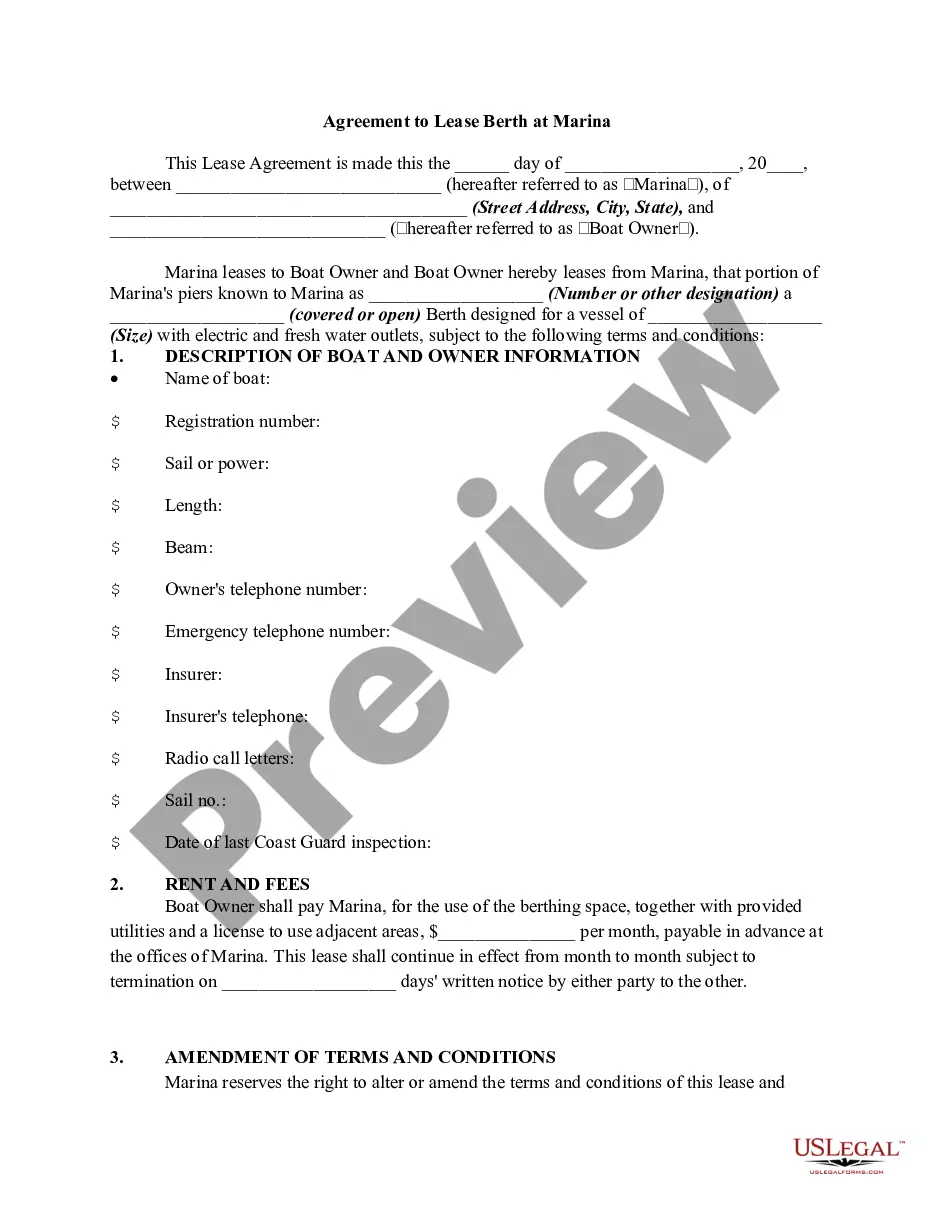
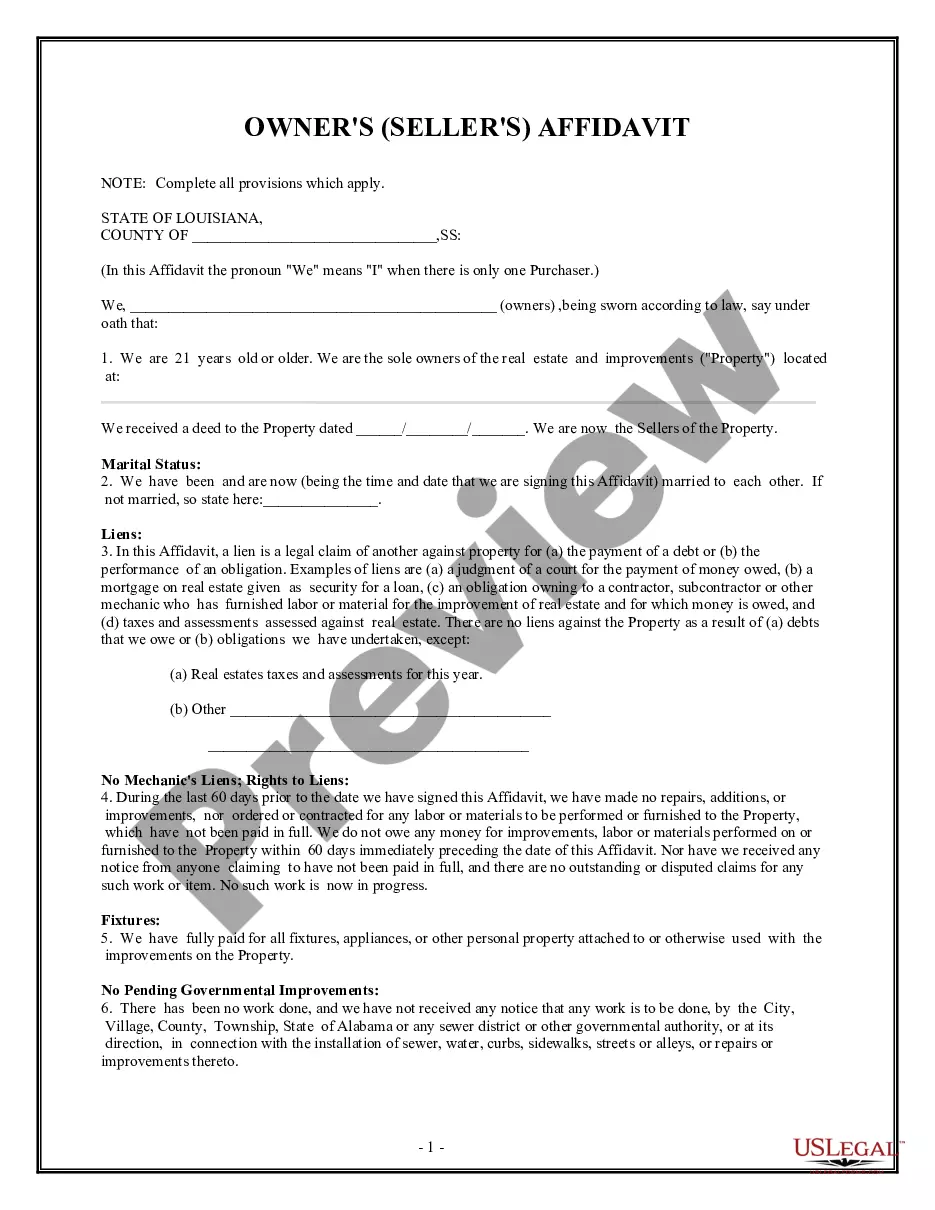
Writ Of Assistance Example In Montgomery
Description






Get your form ready online
Our built-in tools help you complete, sign, share, and store your documents in one place.
Make edits, fill in missing information, and update formatting in US Legal Forms—just like you would in MS Word.
Download a copy, print it, send it by email, or mail it via USPS—whatever works best for your next step.
Sign and collect signatures with our SignNow integration. Send to multiple recipients, set reminders, and more. Go Premium to unlock E-Sign.
If this form requires notarization, complete it online through a secure video call—no need to meet a notary in person or wait for an appointment.
We protect your documents and personal data by following strict security and privacy standards.

Make edits, fill in missing information, and update formatting in US Legal Forms—just like you would in MS Word.

Download a copy, print it, send it by email, or mail it via USPS—whatever works best for your next step.

Sign and collect signatures with our SignNow integration. Send to multiple recipients, set reminders, and more. Go Premium to unlock E-Sign.

If this form requires notarization, complete it online through a secure video call—no need to meet a notary in person or wait for an appointment.

We protect your documents and personal data by following strict security and privacy standards.
Looking for another form?









Form popularity
FAQ
A writ of assistance is an order directing that a party convey, deliver, or turn over a deed, document, or right of ownership. This writ, which may also be called a writ of restitution or writ of possession, usually serves as an eviction from real property.
Writs of assistance gave the King's men – customs officials generally, but not exclusively – carte blanche to search the homes, papers and belongings of anyone. They permitted officials to “enter and go into any House, Warehouse, Shop, Cellar or other Place” to seize contraband goods.
One example of a writ of assistance would be the Malcolm Affair. In this case, customs officials searched the home of Daniel Malcolm. However, Malcolm would not let them search a part of his cellar without the legal right to do so by threatening violence if they did because he believed they were acting illegally.
They were issued by the Court of Exchequer to help customs officials search for smuggled goods. These writs were called "writs of assistance" because they called upon sheriffs, other officials, and loyal subjects to "assist" the customs official in carrying out his duties.
A writ of assistance is an order directing that a party convey, deliver, or turn over a deed, document, or right of ownership. This writ, which may also be called a writ of restitution or writ of possession, usually serves as an eviction from real property.
Colonists and Many British observers were outraged at the blatant neglect of what had been traditionally considered British liberties. Most notably, the writs allowed officials to enter and ransack private homes without proving probable cause for suspicion, a traditional prerequisite to a search.
Writ of assistance, in English and American colonial history, a general search warrant issued by superior provincial courts to assist the British government in enforcing trade and navigation laws.
The enforcement of the Sugar Act, including the use of 'writs of assistance' that allowed customs officials to search colonists' homes and businesses, further angered the colonists and contributed to growing resentment towards the British government.
No Eviction Without Court Order. Written Notice to Tenant. Landlord May File a Complaint. Notice of the Trial to the Tenant.
The writ is issued by the Clerk of the U.S. District or Bankruptcy Court, at the discretion of the judge, after judgment is rendered.