Written Petition Example In Illinois
Description






Get your form ready online
Our built-in tools help you complete, sign, share, and store your documents in one place.
Make edits, fill in missing information, and update formatting in US Legal Forms—just like you would in MS Word.
Download a copy, print it, send it by email, or mail it via USPS—whatever works best for your next step.
Sign and collect signatures with our SignNow integration. Send to multiple recipients, set reminders, and more. Go Premium to unlock E-Sign.
If this form requires notarization, complete it online through a secure video call—no need to meet a notary in person or wait for an appointment.
We protect your documents and personal data by following strict security and privacy standards.

Make edits, fill in missing information, and update formatting in US Legal Forms—just like you would in MS Word.

Download a copy, print it, send it by email, or mail it via USPS—whatever works best for your next step.

Sign and collect signatures with our SignNow integration. Send to multiple recipients, set reminders, and more. Go Premium to unlock E-Sign.

If this form requires notarization, complete it online through a secure video call—no need to meet a notary in person or wait for an appointment.

We protect your documents and personal data by following strict security and privacy standards.
Looking for another form?
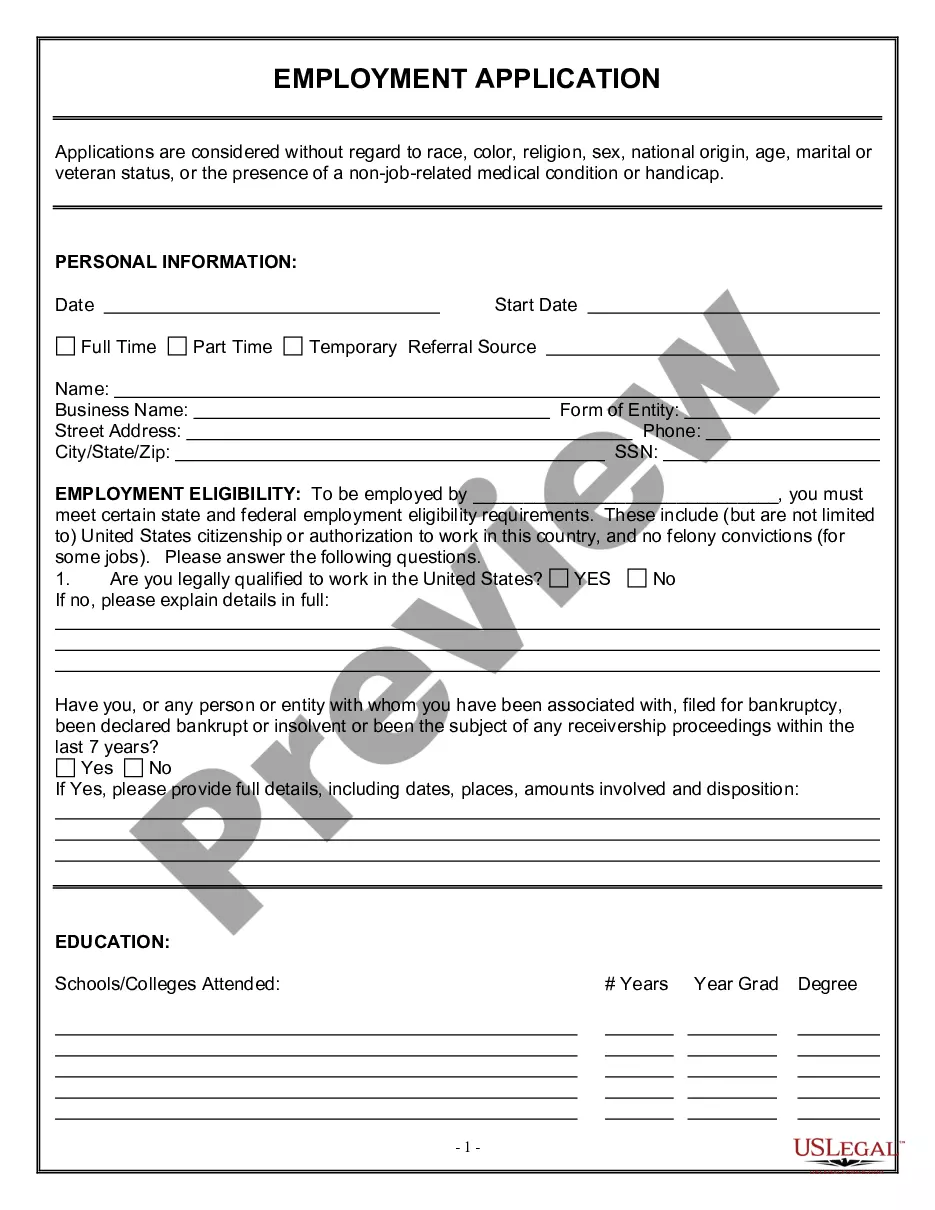


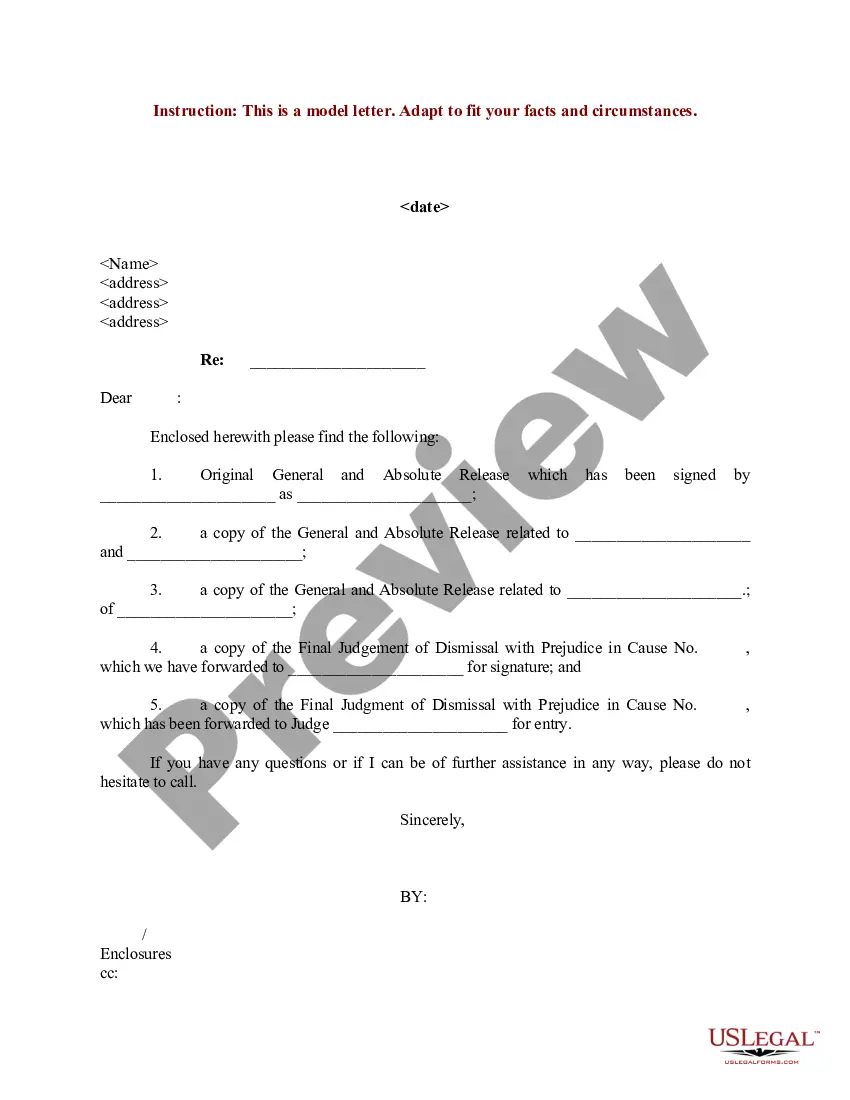





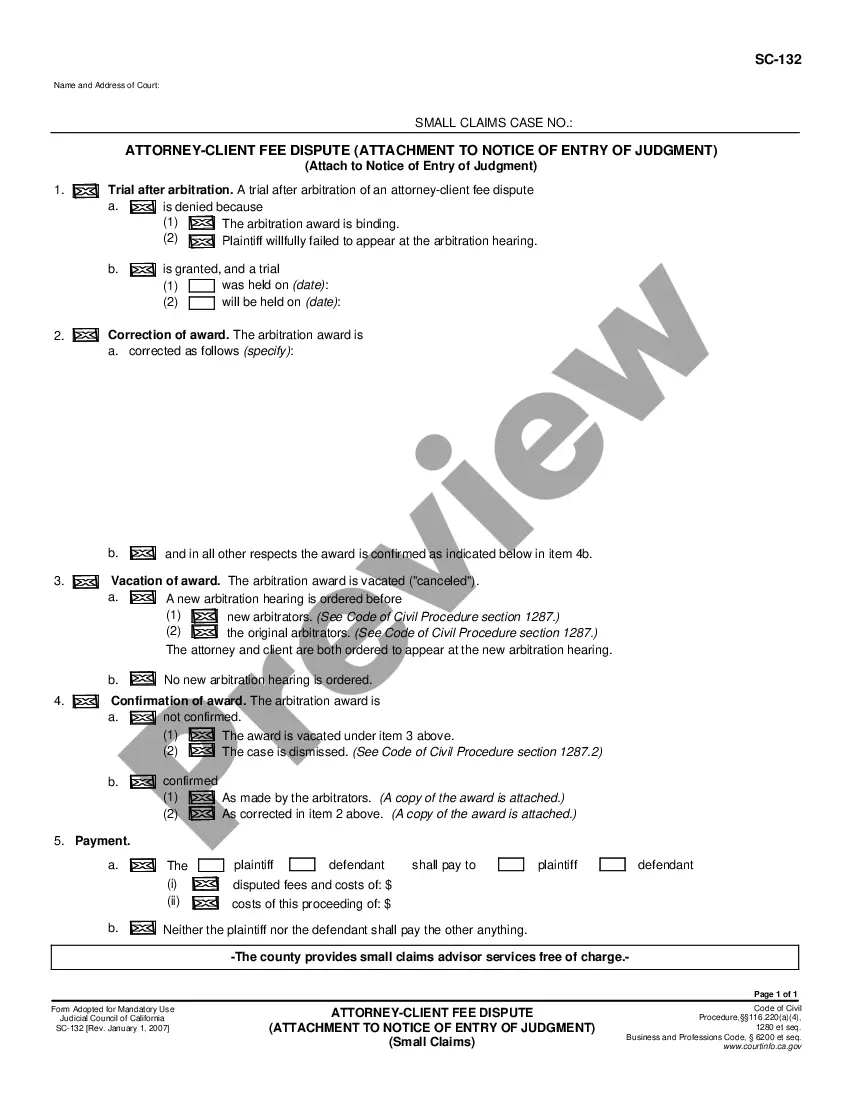
Form popularity
FAQ
How-to create a petition: Choose a target. An effective target is a person who has the power to give you what you want. Write the message. Keep this short and sweet. Make a Specific Ask. Ask your target to take a concrete action. Create space for people to sign and fill their information.
Or they can order inpatient admission to a mental health facility for up to 90 days. Either order can be extended another 90 days. After that, 180 day periods may be added. If a new petition and two certificates are filed, the judge might decide to add another 90 days of inpatient treatment after a hearing.
Keep the petition language short and simple. Then include the ask, or the action you want the target to take (e.g., introduce anti-retaliation legislation in your state). A well-written petition should communicate the urgency of the problem and the need for action.
I am writing as a concerned customer and supporter of Company Name, and I wish to address an issue that has been impacting my experience as well as that of many others. I truly value the products and services your company provides, and I believe in your commitment to excellence.
Rules for Petitions The petition must be in writing and be accompanied by the CBSC Petition Form (BSC-30). The form requires the following: Explain the problem and rationale for this petition. Explain how the issue has statewide significance.
How to Format an Answer Letter for a Civil Summons Provide the name of the court at the top of the Answer. List the name of the plaintiff on the left side. Write the case number on the right side of the Answer. Address the Judge and discuss your side of the case.
You would respond to the court with a general denial of all of the allegations regarding you owing the debt and the actual amount of the debt. What you do is copy the heading on the top of the complaint and then under that you title your document Answer.
Your answer should include the court name, case name, case number, and your affirmative defenses. Print three copies of your answer. File one with the clerk's office and mail (or “serve”) one to the plaintiff or plaintiff's attorney. The plaintiff is the debt collector, creditor, or law firm suing you.
On a separate page or pages, write a short and plain statement of the answer to the allegations in the complaint. Number the paragraphs. The answer should correspond to each paragraph in the complaint, with paragraph 1 of the answer corresponding to paragraph 1 of the complaint, etc.
