Habeas Corpus Act 1679 In Hindi In Fulton
Description






Get your form ready online
Our built-in tools help you complete, sign, share, and store your documents in one place.
Make edits, fill in missing information, and update formatting in US Legal Forms—just like you would in MS Word.
Download a copy, print it, send it by email, or mail it via USPS—whatever works best for your next step.
Sign and collect signatures with our SignNow integration. Send to multiple recipients, set reminders, and more. Go Premium to unlock E-Sign.
If this form requires notarization, complete it online through a secure video call—no need to meet a notary in person or wait for an appointment.
We protect your documents and personal data by following strict security and privacy standards.

Make edits, fill in missing information, and update formatting in US Legal Forms—just like you would in MS Word.

Download a copy, print it, send it by email, or mail it via USPS—whatever works best for your next step.

Sign and collect signatures with our SignNow integration. Send to multiple recipients, set reminders, and more. Go Premium to unlock E-Sign.

If this form requires notarization, complete it online through a secure video call—no need to meet a notary in person or wait for an appointment.

We protect your documents and personal data by following strict security and privacy standards.
Looking for another form?





Form popularity
FAQ
It was passed by what became known as the Habeas Corpus Parliament to define and strengthen the ancient prerogative writ of habeas corpus, which required a court to examine the lawfulness of a prisoner's detention and thus prevent unlawful or arbitrary imprisonment.
It was passed by what became known as the Habeas Corpus Parliament to define and strengthen the ancient prerogative writ of habeas corpus, which required a court to examine the lawfulness of a prisoner's detention and thus prevent unlawful or arbitrary imprisonment.
The Act was enacted during civil and religious unrest which included the “Papist Plot” of 1678 and was intended to restrict abuse of the Crown's power to imprison subjects without trial.
The right of habeas corpus essentially protects a prisoner's right to indicate whether or not their constitutionally guaranteed rights to fair treatment during a trial have been infringed upon. This concept originated in the 1200s as part of the Magna Carta, which stated, “No man shall be arrested or imprisoned…
The Habeas Corpus Act of 1679 required accused criminals to betried before a jury of their peers. jailed until proven innocent.
A writ of habeas corpus is used to bring a prisoner or other detainee (e.g. institutionalized mental patient) before the court to determine if the person's imprisonment or detention is lawful. A habeas petition proceeds as a civil action against the State agent (usually a warden) who holds the defendant in custody.
Final answer: The Habeas Corpus Act of 1679 significantly contributed to the limitation of monarchical power in England by protecting individuals against unlawful detention. This act arose during a time of increased fear of absolutism under monarchs like James II, culminating in the Glorious Revolution.
The literal meaning of habeas corpus is "you should have the body"—that is, the judge or court should (and must) have any person who is being detained brought forward so that the legality of that person's detention can be assessed.
Gideon sought relief from his conviction by filing a petition for writ of habeas corpus in the Florida Supreme Court. In his petition, Gideon challenged his conviction and sentence on the ground that the trial judge's refusal to appoint counsel violated Gideon's constitutional rights.
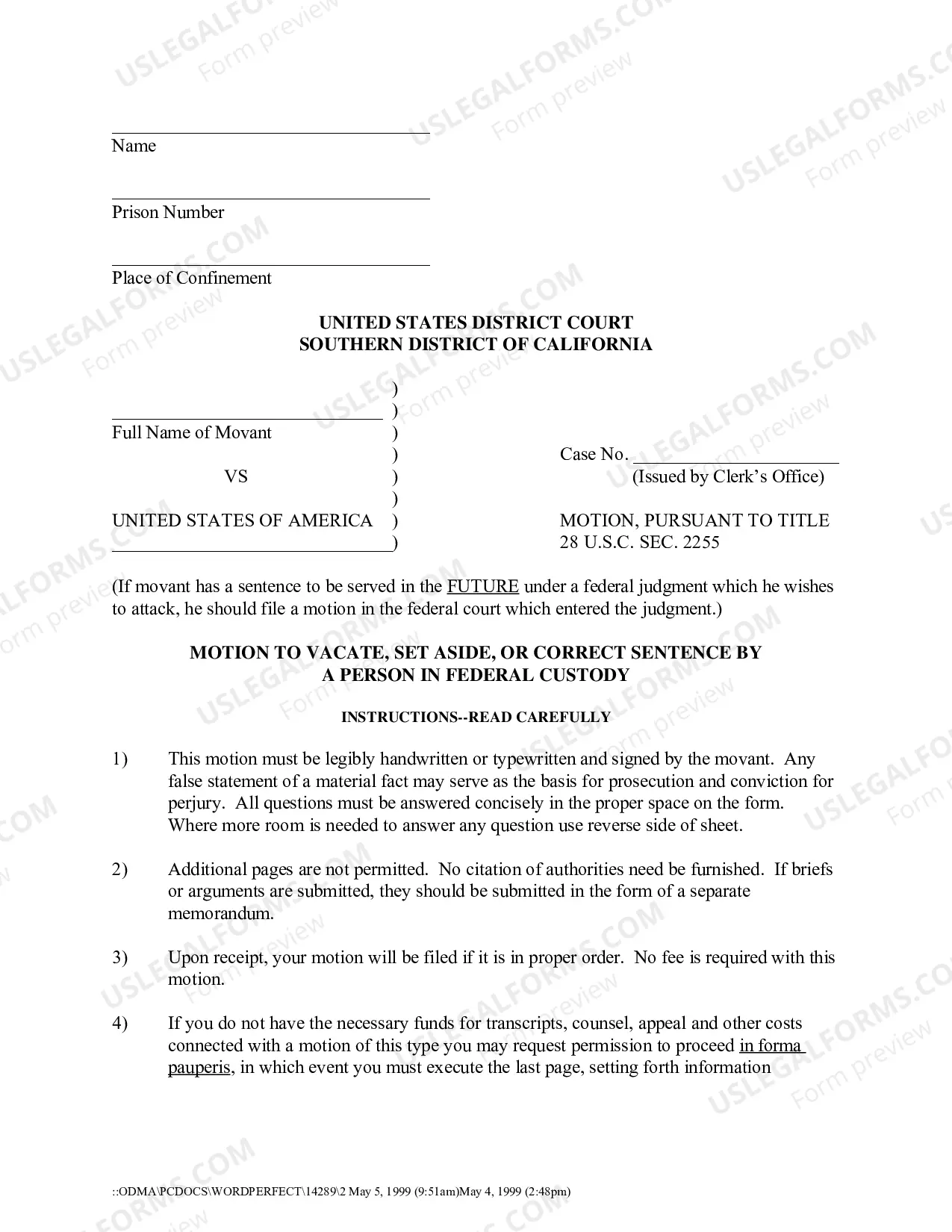
Federal habeas corpus is a procedure under which a federal court may review the legality of an individual's incarceration. It is most often the stage of the criminal appellate process that follows direct appeal and any available state collateral review.
