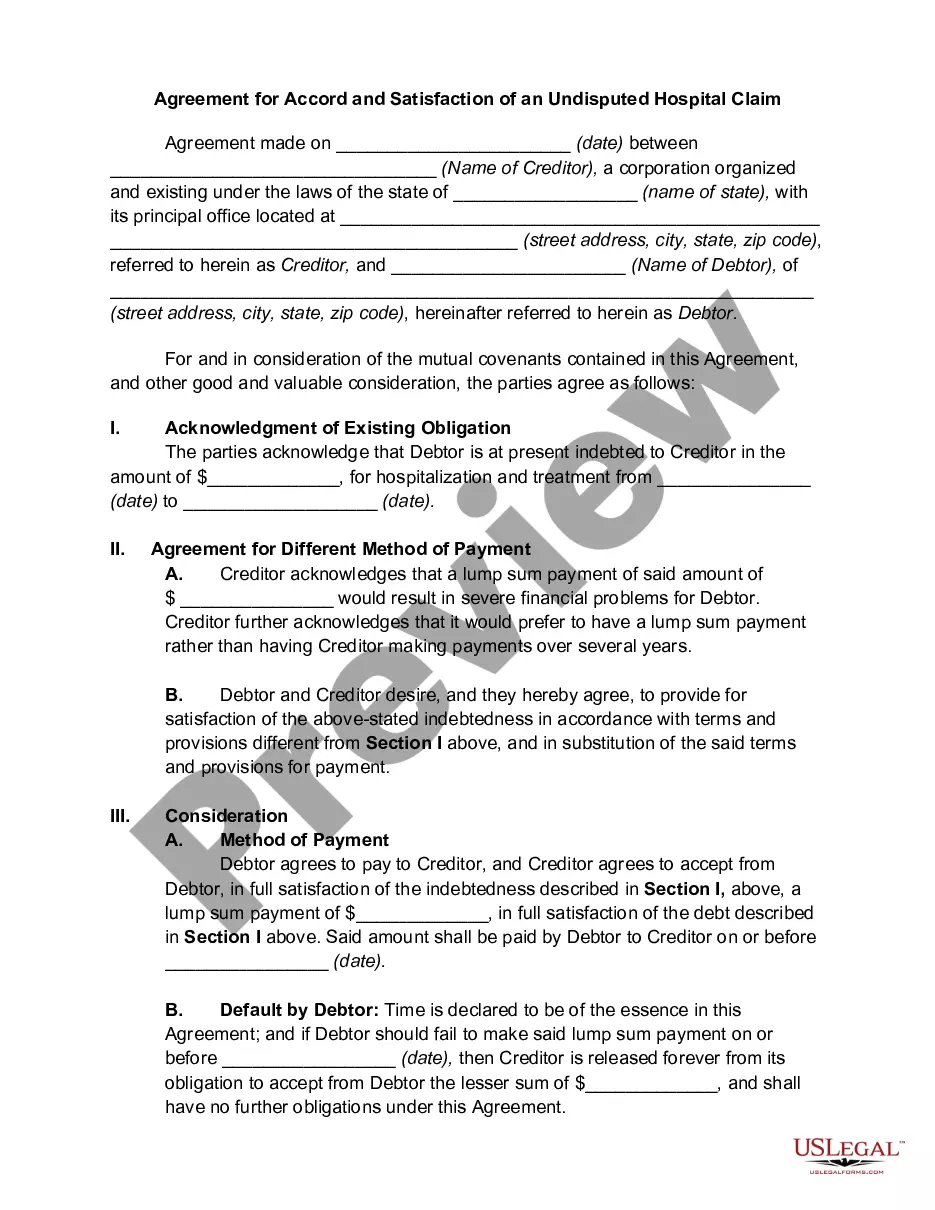
Writ Habeas Corpus Agreement Format In Fairfax
Description






Get your form ready online
Our built-in tools help you complete, sign, share, and store your documents in one place.
Make edits, fill in missing information, and update formatting in US Legal Forms—just like you would in MS Word.
Download a copy, print it, send it by email, or mail it via USPS—whatever works best for your next step.
Sign and collect signatures with our SignNow integration. Send to multiple recipients, set reminders, and more. Go Premium to unlock E-Sign.
If this form requires notarization, complete it online through a secure video call—no need to meet a notary in person or wait for an appointment.
We protect your documents and personal data by following strict security and privacy standards.

Make edits, fill in missing information, and update formatting in US Legal Forms—just like you would in MS Word.

Download a copy, print it, send it by email, or mail it via USPS—whatever works best for your next step.

Sign and collect signatures with our SignNow integration. Send to multiple recipients, set reminders, and more. Go Premium to unlock E-Sign.

If this form requires notarization, complete it online through a secure video call—no need to meet a notary in person or wait for an appointment.

We protect your documents and personal data by following strict security and privacy standards.
Looking for another form?








Form popularity
FAQ
A habeas corpus petition attacking a criminal conviction or sentence shall be filed within two years from the date of final judgment in the trial court or within one year from either final disposition of the direct appeal in state court or the time for filing such appeal has expired, whichever is later.
Ask the court for a writ of habeas corpus (a court order telling a public official, like a prison warden, to bring you to the court and show a legal reason for holding you) to challenge your criminal conviction or commitment to another facility or the conditions under which you are being held.
28 U.S.C. § 2244(d)(1) provides for a one-year statute of limitations (deadline) for filing federal habeas corpus petitions.
State every ground (reason) that supports your claim that you are being held in violation of the Constitution, laws, or treaties of the United States. Attach additional pages if you have more than four grounds. State the facts supporting each ground. Any legal arguments must be submitted in a separate memorandum.
A federal petition for writ of habeas corpus under 28 U.S.C. § 2254 is used by a (1) state prisoner (2) being held in state custody (3) to challenge the validity of a state criminal conviction or sentence (4) for the purpose of obtaining release from custody.
Under Virginia Code § 8.01-654, a prisoner seeking habeas relief in the state on a conviction or sentence can file the petition either in the Supreme Court of Virginia, which has original jurisdiction to hear habeas writs, or in the circuit court where the prisoner was convicted and sentenced.
Under 28 U.S.C. section 2244(d)(1), a federal habeas petition must be filed within one year of the finality of the state judgment.
California Writ of Habeas Corpus Deadline. There are no “fixed statutory deadlines to determine the timeliness of a state prisoner's petition for habeas corpus. Instead, California directs petitioners to file known claims as promptly as the circumstances allow.” Walker v.
Upon the death or remarriage of the spouse receiving support, spousal support shall terminate unless otherwise provided by stipulation or contract.