Satisfaction Agreement Form In Pennsylvania
Description
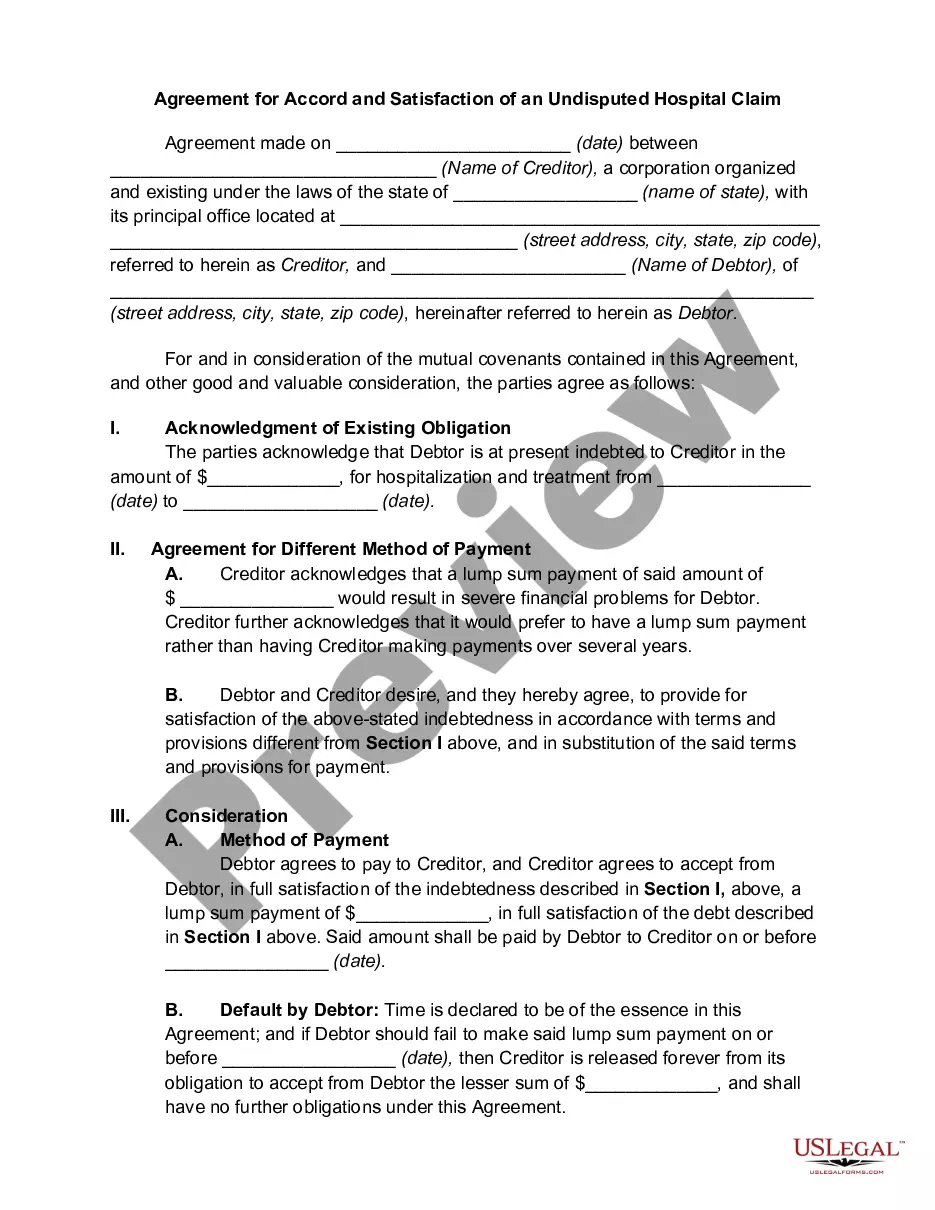
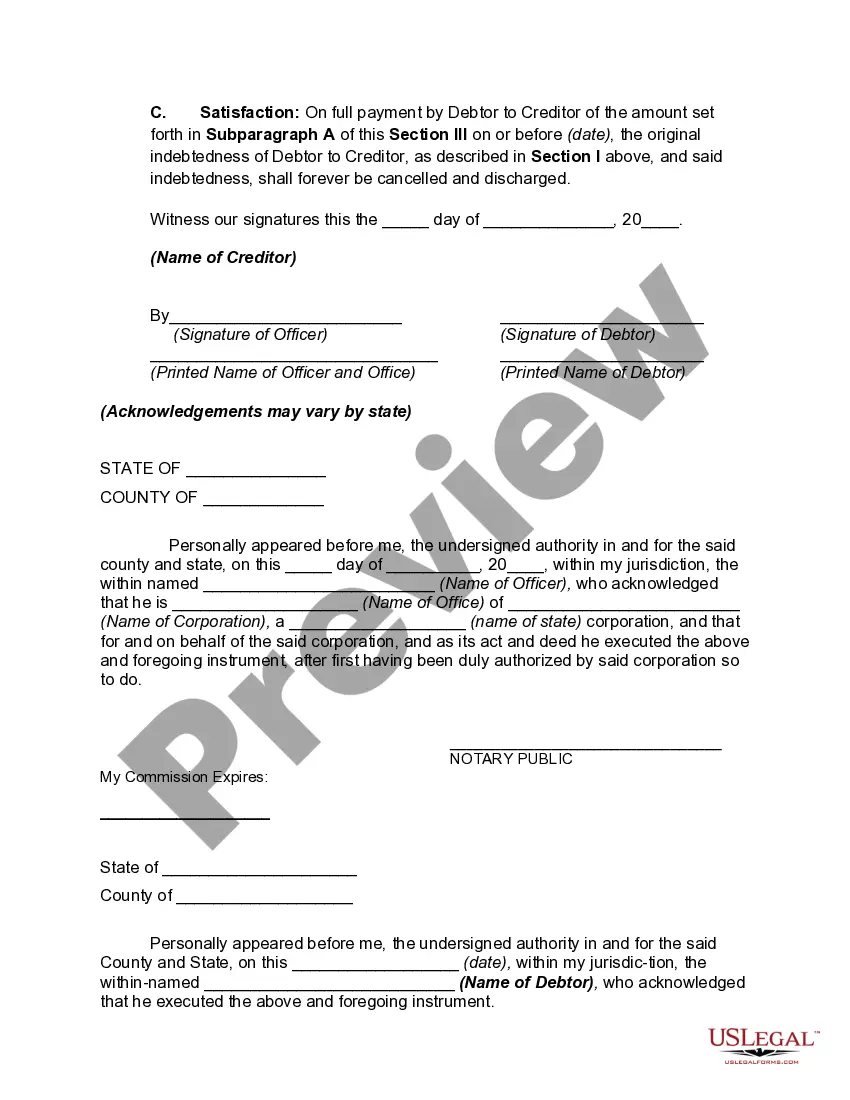


Get your form ready online
Our built-in tools help you complete, sign, share, and store your documents in one place.
Make edits, fill in missing information, and update formatting in US Legal Forms—just like you would in MS Word.
Download a copy, print it, send it by email, or mail it via USPS—whatever works best for your next step.
Sign and collect signatures with our SignNow integration. Send to multiple recipients, set reminders, and more. Go Premium to unlock E-Sign.
If this form requires notarization, complete it online through a secure video call—no need to meet a notary in person or wait for an appointment.
We protect your documents and personal data by following strict security and privacy standards.

Make edits, fill in missing information, and update formatting in US Legal Forms—just like you would in MS Word.

Download a copy, print it, send it by email, or mail it via USPS—whatever works best for your next step.

Sign and collect signatures with our SignNow integration. Send to multiple recipients, set reminders, and more. Go Premium to unlock E-Sign.

If this form requires notarization, complete it online through a secure video call—no need to meet a notary in person or wait for an appointment.

We protect your documents and personal data by following strict security and privacy standards.
Looking for another form?






Form popularity
FAQ
The doctrine of satisfaction follows from the principle that the equity imputes an intention to fulfil an obligation. The principle may apply where the act performed, is of a different nature to that which is agreed to be performed.
An and satisfaction is different from a modification because a modification immediately discharges the pre-existing obligation, while an and satisfaction only discharges the obligation once the agreed-upon performance occurs.
They are as follows: Remission or waiver implies accepting a lesser performance of the contract or complete abandonment of the contractual obligations. However, in and satisfaction, the old obligations are replaced by new ones. Waiver or remission does not require consideration.
As in most states, the statute of limitations in civil cases in Pennsylvania is two years. In most cases, this means that victims have two years from the date of their injury to file a civil lawsuit.
The complaint must be filed with a magisterial district court that has venue over the claim. Venue is the geographic location where either a defendant can be served or where the cause of action occurred. Landlord / tenant complaints are filed where the property is located.
8 Tips for a Healthy Marriage Separation Process Give Yourself Time To Process Your Emotions. Be Courteous to Your Spouse. Manage Your Expectations and Set Your Boundaries. Audit Your Finances. Explore Other Sources Of Help. Seek The Help Of A Family Mediator Or Family Law Attorney.
No, Pennsylvania does not allow couples to get a legal separation. Legal separation is a formal legal process that deals with many of the same issues as in a divorce—such as property division, alimony, child custody, and child support—except that the spouses remain legally married.
