File Discrimination Complaint With Hud In Riverside
Description




Get your form ready online
Our built-in tools help you complete, sign, share, and store your documents in one place.
Make edits, fill in missing information, and update formatting in US Legal Forms—just like you would in MS Word.
Download a copy, print it, send it by email, or mail it via USPS—whatever works best for your next step.
Sign and collect signatures with our SignNow integration. Send to multiple recipients, set reminders, and more. Go Premium to unlock E-Sign.
If this form requires notarization, complete it online through a secure video call—no need to meet a notary in person or wait for an appointment.
We protect your documents and personal data by following strict security and privacy standards.

Make edits, fill in missing information, and update formatting in US Legal Forms—just like you would in MS Word.

Download a copy, print it, send it by email, or mail it via USPS—whatever works best for your next step.

Sign and collect signatures with our SignNow integration. Send to multiple recipients, set reminders, and more. Go Premium to unlock E-Sign.

If this form requires notarization, complete it online through a secure video call—no need to meet a notary in person or wait for an appointment.

We protect your documents and personal data by following strict security and privacy standards.
Looking for another form?
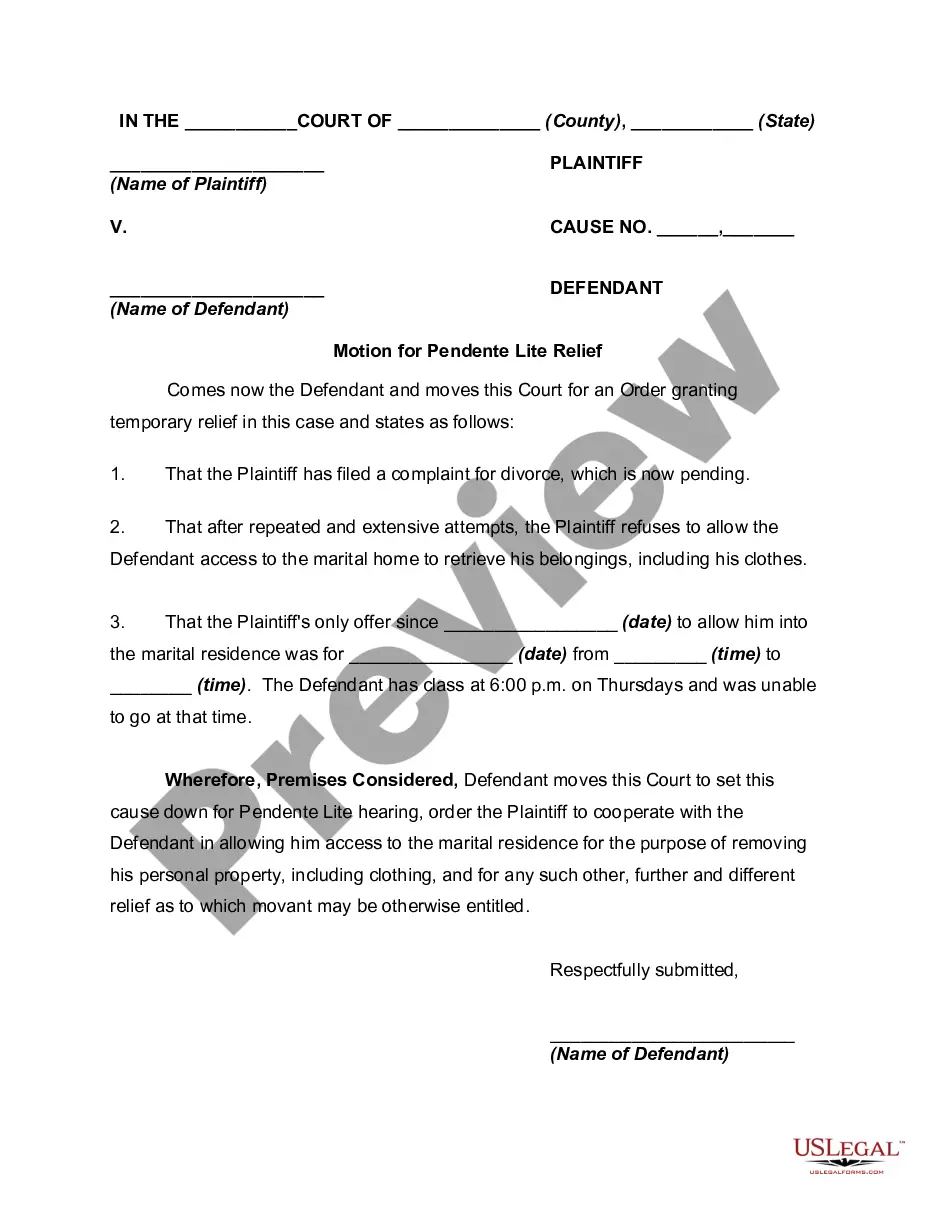

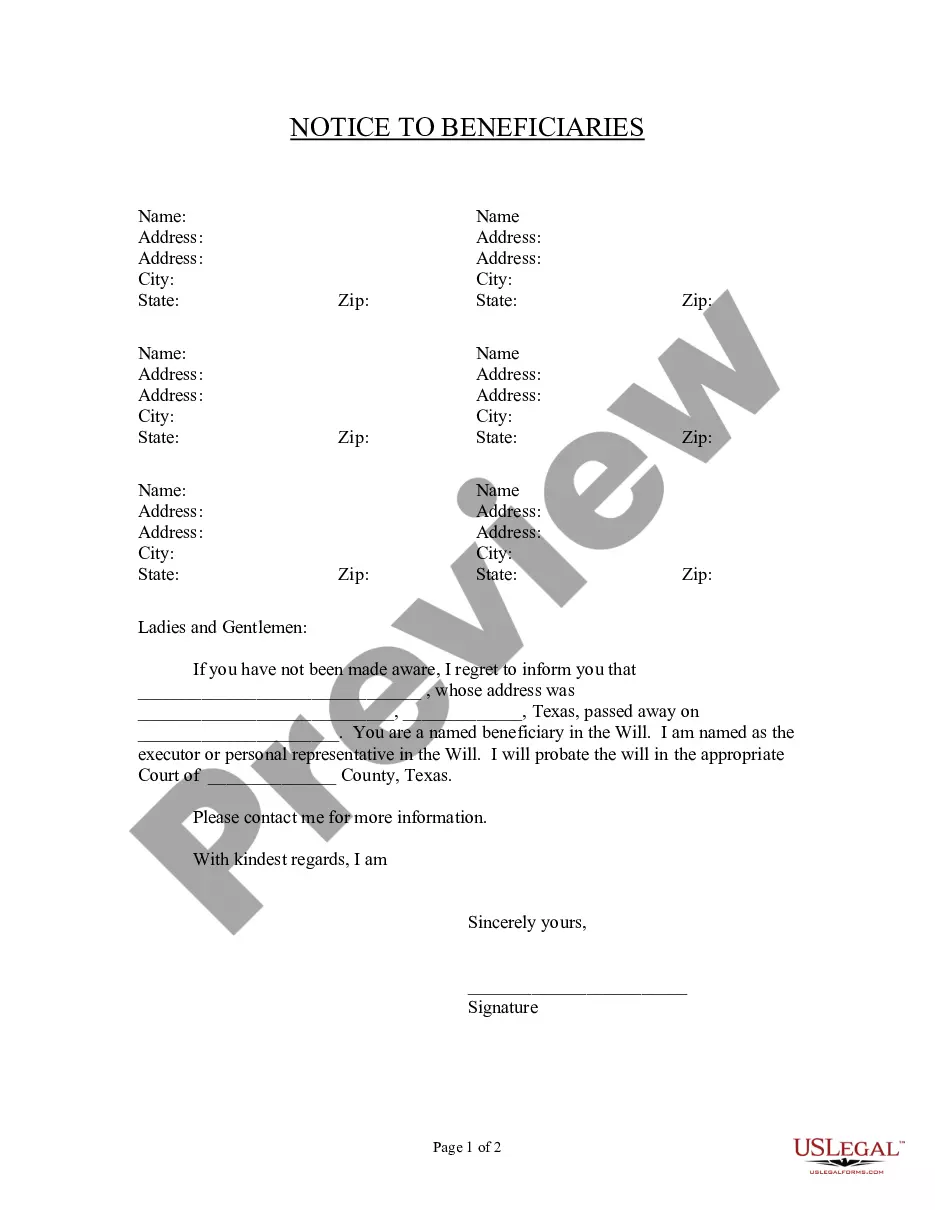






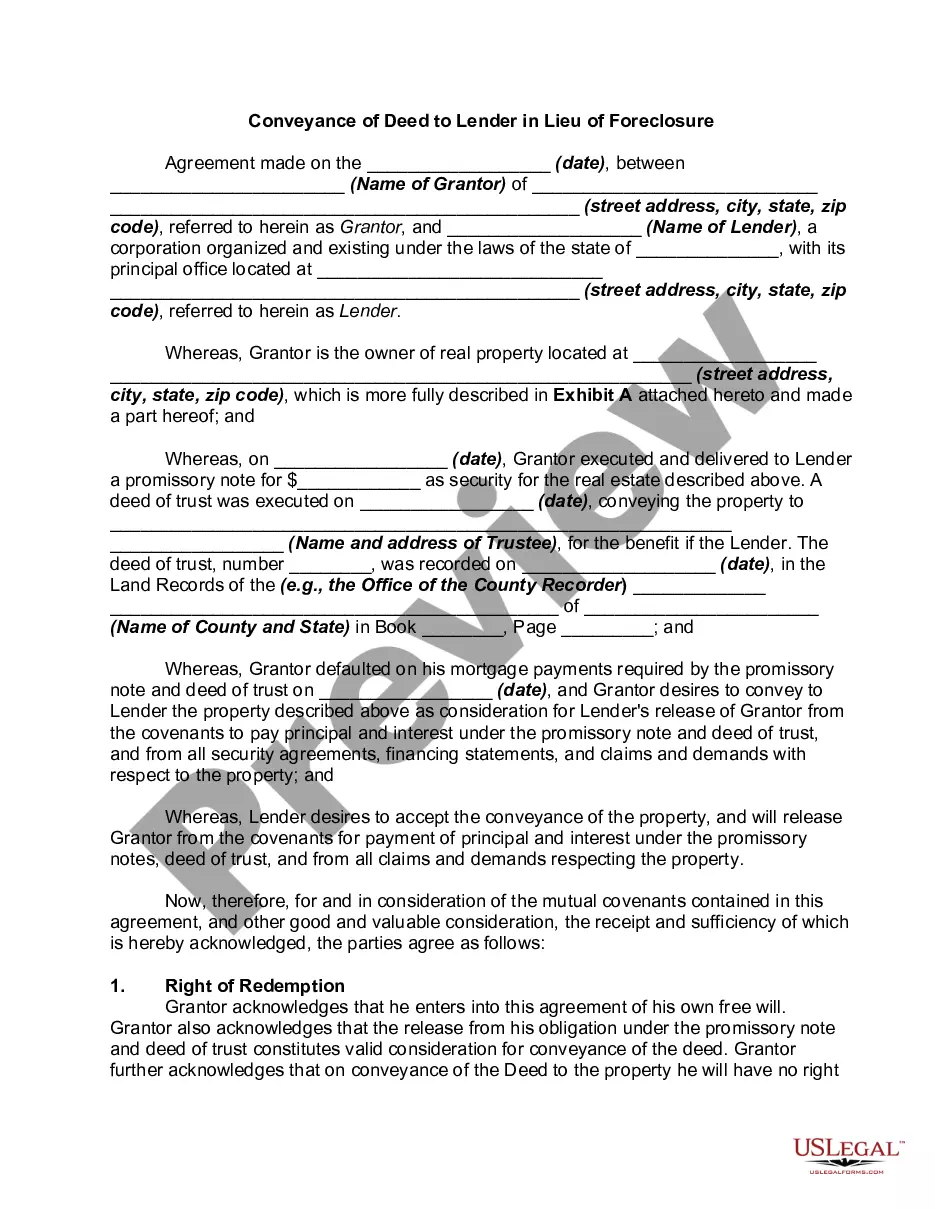
Form popularity
FAQ
Examples of direct evidence of discrimination include openly discriminatory statements during a verbal or written exchange between a landlord and a tenant, an advertisement for a rental property stating a discriminatory preference, and discriminatory rules and policies.
The agency is required to investigate the complaint in a timely manner. The investigation must be appropriate, impartial, and completed within 180 days of filing the complaint The EEO Director or designee and the complainant may agree in writing, consistent with 29 C.F.R.
Federal, state, and local laws prohibit racial and other discrimination in housing. Nonetheless, discrimination persists and can be difficult to prove. Winning a case may require good documentation and patience. Fair housing groups can render assistance.
Examples of direct evidence of discrimination include openly discriminatory statements during a verbal or written exchange between a landlord and a tenant, an advertisement for a rental property stating a discriminatory preference, and discriminatory rules and policies.
However, discrimination is a state of mind and, therefore, notoriously hard to prove. Sophisticated employers are well aware that discrimination is illegal. Thus, most cases are established through circumstantial evidence.
Submit online at .hud/fairhousing/fileacomplaint or send your claim form to the FHEO regional office that serves the state or territory where the discrimination happened. We'll review your information and contact you a soon as possible.
To file a complaint of discrimination, go to the CRD Web site home page and click on "File a Pre- Complaint Inquiry." If assistance is required to complete the online Pre-Complaint Inquiry, please call 800-884-1684.
General information By mail. Civil Rights Department. Attention: Appeals Unit. By phone. Call our Contact Center at (800) 884-1684, (800) 700-2320 (TTY) or California's Relay Service at 711. By email. Appeals@calcivilrights.ca.