Discrimination Acts In Australia In Riverside
Description




Get your form ready online
Our built-in tools help you complete, sign, share, and store your documents in one place.
Make edits, fill in missing information, and update formatting in US Legal Forms—just like you would in MS Word.
Download a copy, print it, send it by email, or mail it via USPS—whatever works best for your next step.
Sign and collect signatures with our SignNow integration. Send to multiple recipients, set reminders, and more. Go Premium to unlock E-Sign.
If this form requires notarization, complete it online through a secure video call—no need to meet a notary in person or wait for an appointment.
We protect your documents and personal data by following strict security and privacy standards.

Make edits, fill in missing information, and update formatting in US Legal Forms—just like you would in MS Word.

Download a copy, print it, send it by email, or mail it via USPS—whatever works best for your next step.

Sign and collect signatures with our SignNow integration. Send to multiple recipients, set reminders, and more. Go Premium to unlock E-Sign.

If this form requires notarization, complete it online through a secure video call—no need to meet a notary in person or wait for an appointment.

We protect your documents and personal data by following strict security and privacy standards.
Looking for another form?




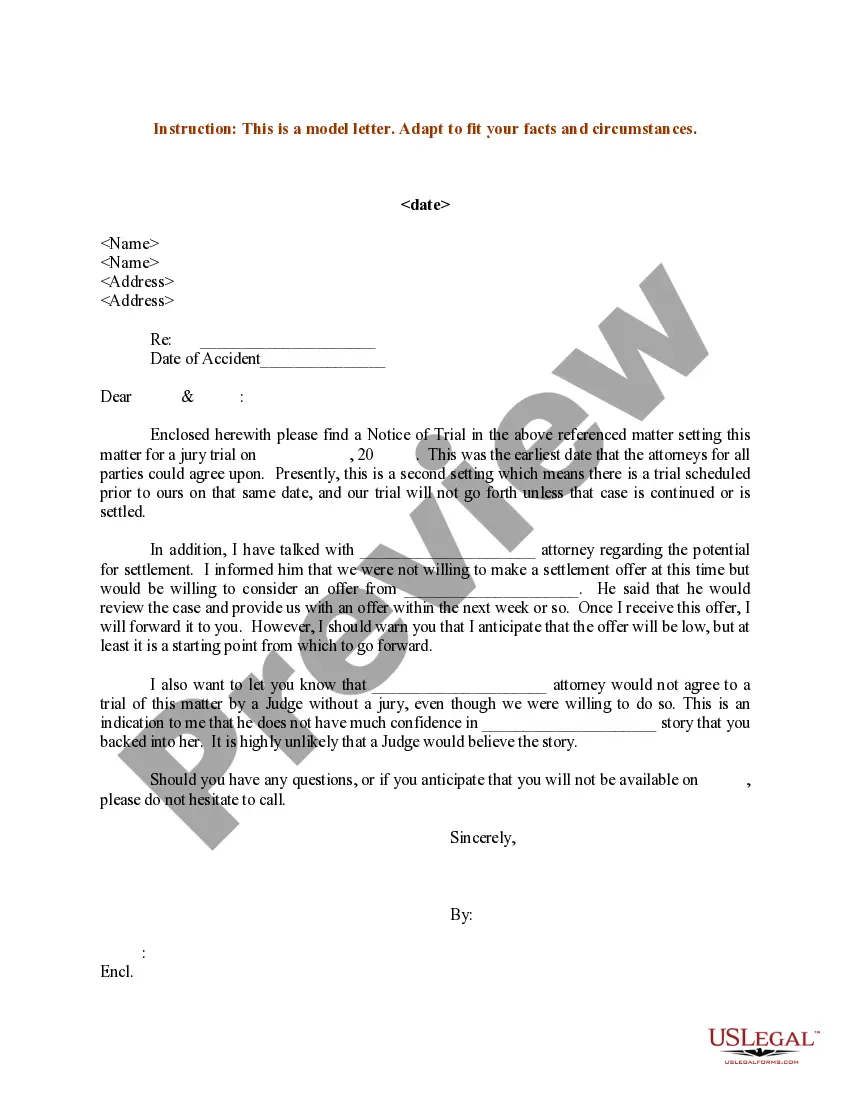

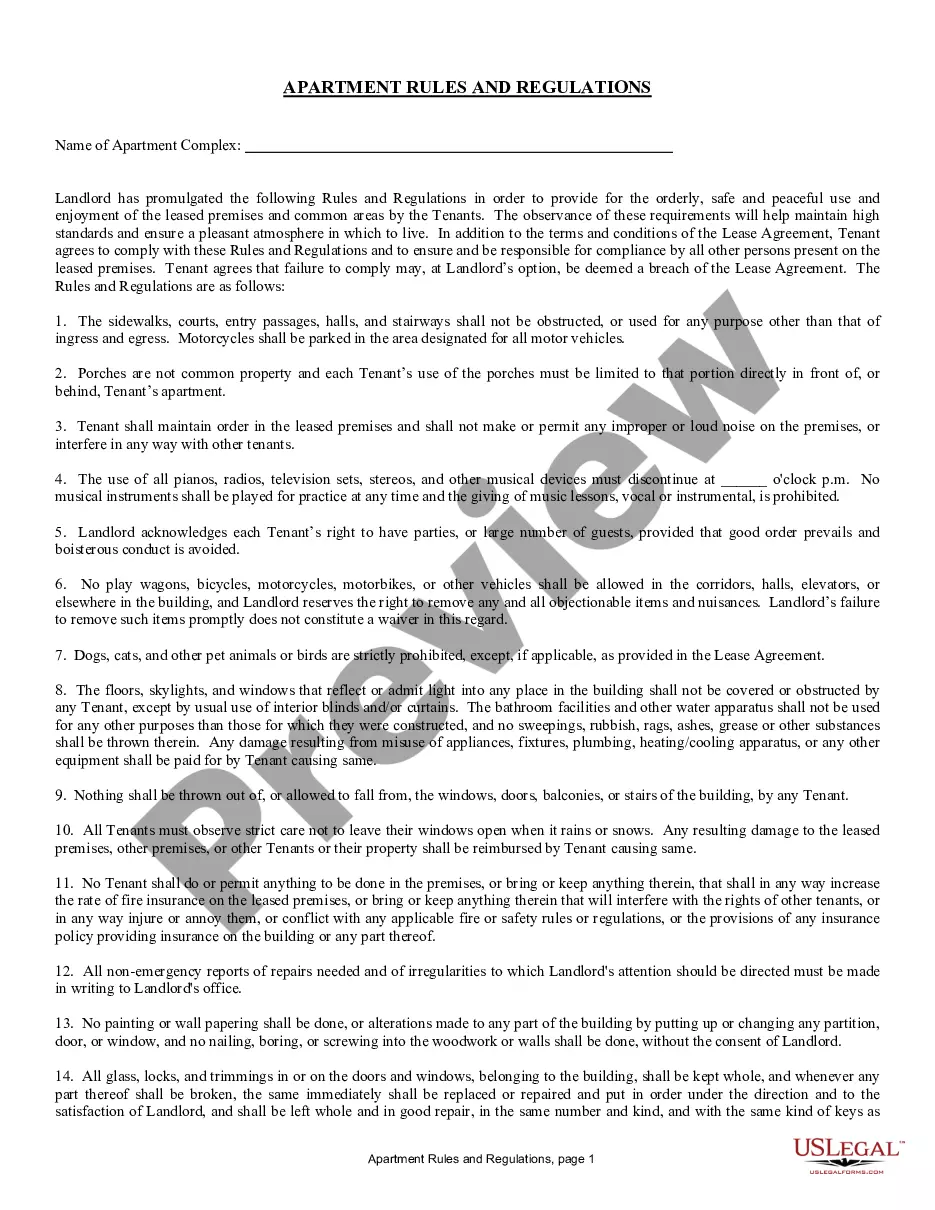



Form popularity
FAQ
You can make a complaint no matter where you live in Australia. If you are not sure if you can make a complaint about something, you can contact the Commission's National Information Service by phone on 1300 656 419 or by email to infoservice@humanrights.au.
You can apply to the Federal Court or Federal Circuit and Family Court to have your case heard by the court. You must go through the Australian Human Rights Commission conciliation process first before you can lodge an application. The commission will issue a notice that your complaint has been closed.
For Example: An employer refused to hire a suitably qualified person as a shop assistant because they were Aboriginal, and instead hired a less qualified person of a different racial background. This could be racial discrimination.
For Example: An employer refused to hire a suitably qualified person as a shop assistant because they were Aboriginal, and instead hired a less qualified person of a different racial background. This could be racial discrimination.
The Fair Work Act 2009 is the primary federal legislation governing employment in Australia, and it applies to all employers and employees across the country. This Act sets out the minimum terms and conditions of employment, such as wages, leave entitlements, hours of work, termination of employment, and more.
A written complaint to OSPI must include the following information: A description the conduct or incident—use facts (what, who and when) An explanation of why you believe unlawful discrimination has taken place. Your name and contact information, including a mailing address.
The Act requires employers with 100 or more employees to report annually against six gender equality indicators. In 2022, the application of the Act was extended to the Commonwealth public sector. The six gender equality indicators are: GEI 1 – gender composition of the workforce.
The legislation protects people from discrimination on the basis of their individual attributes in certain areas of public life, and provides redress for people who have been discriminated against. It also aims to eliminate, as far as possible, discrimination, sexual harassment and victimisation.
The Racial Discrimination Act 1975 (RDA) makes it unlawful to discriminate against a person because of his or her race, colour, descent, national origin or ethnic origin, or immigrant status.
