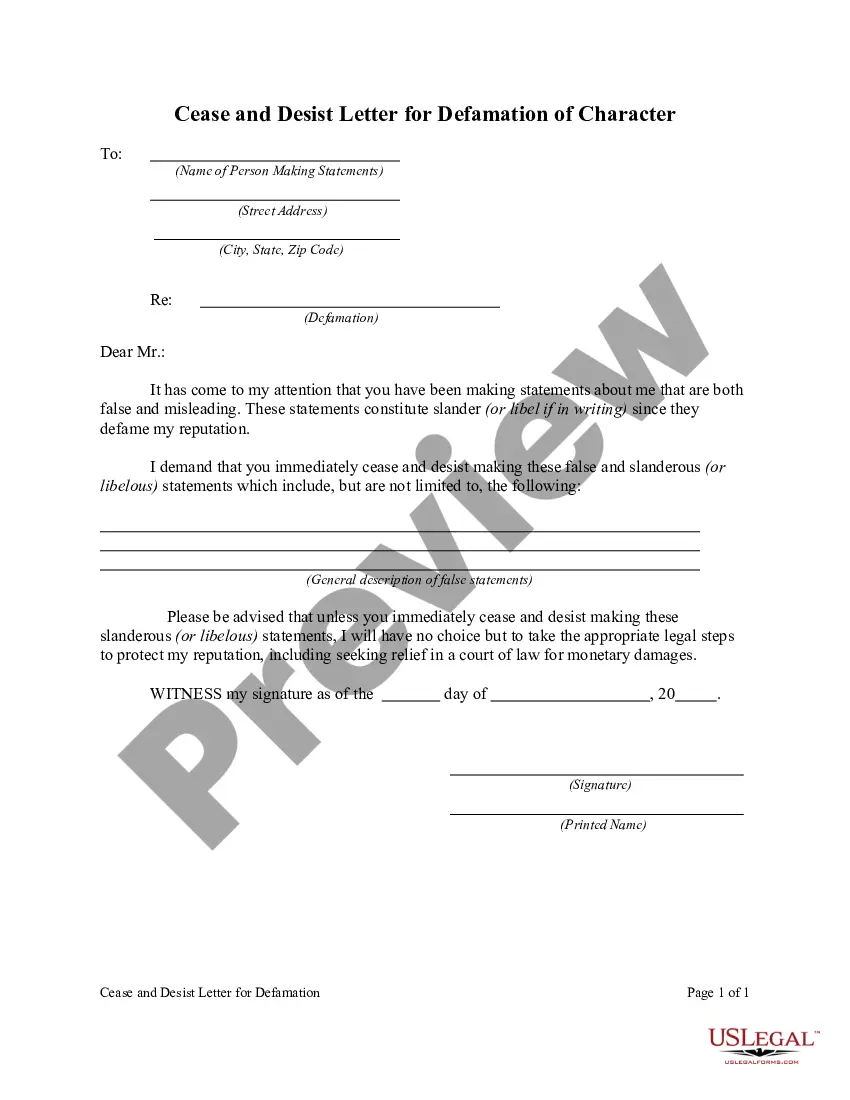
Employment Discrimination Rights With Criminal Records In Collin
Description

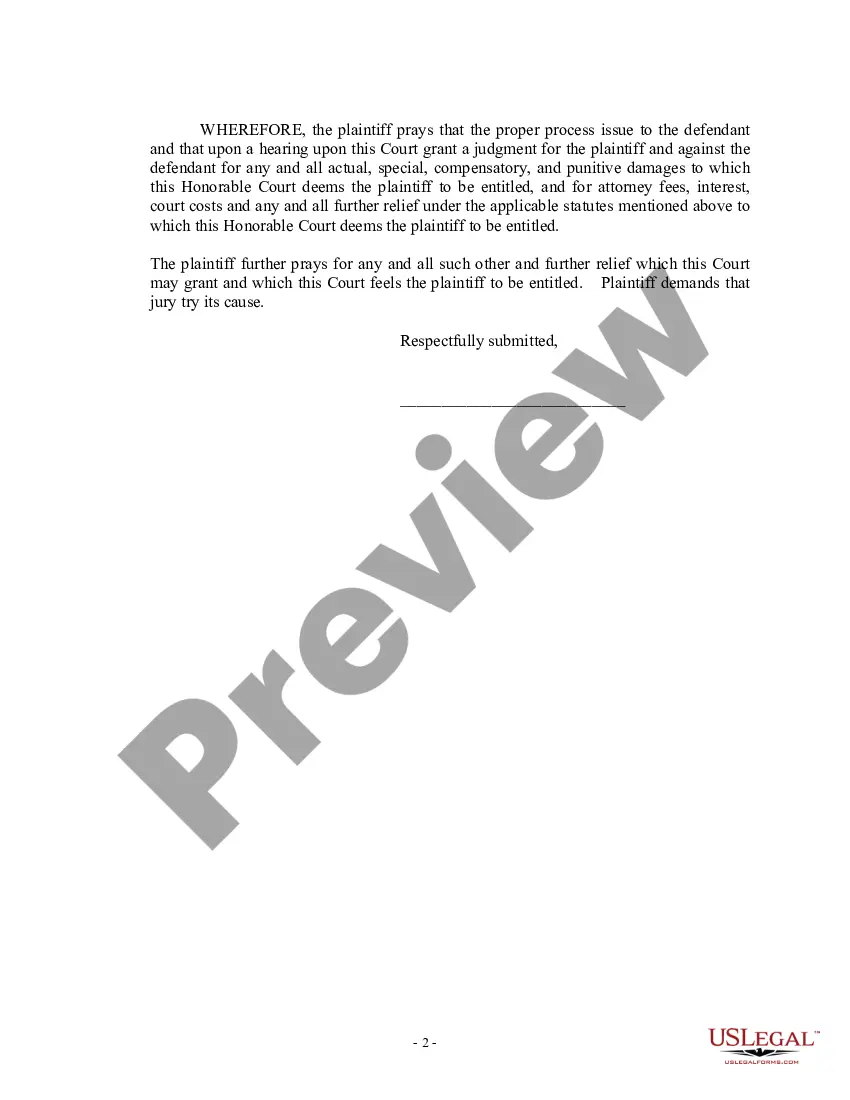
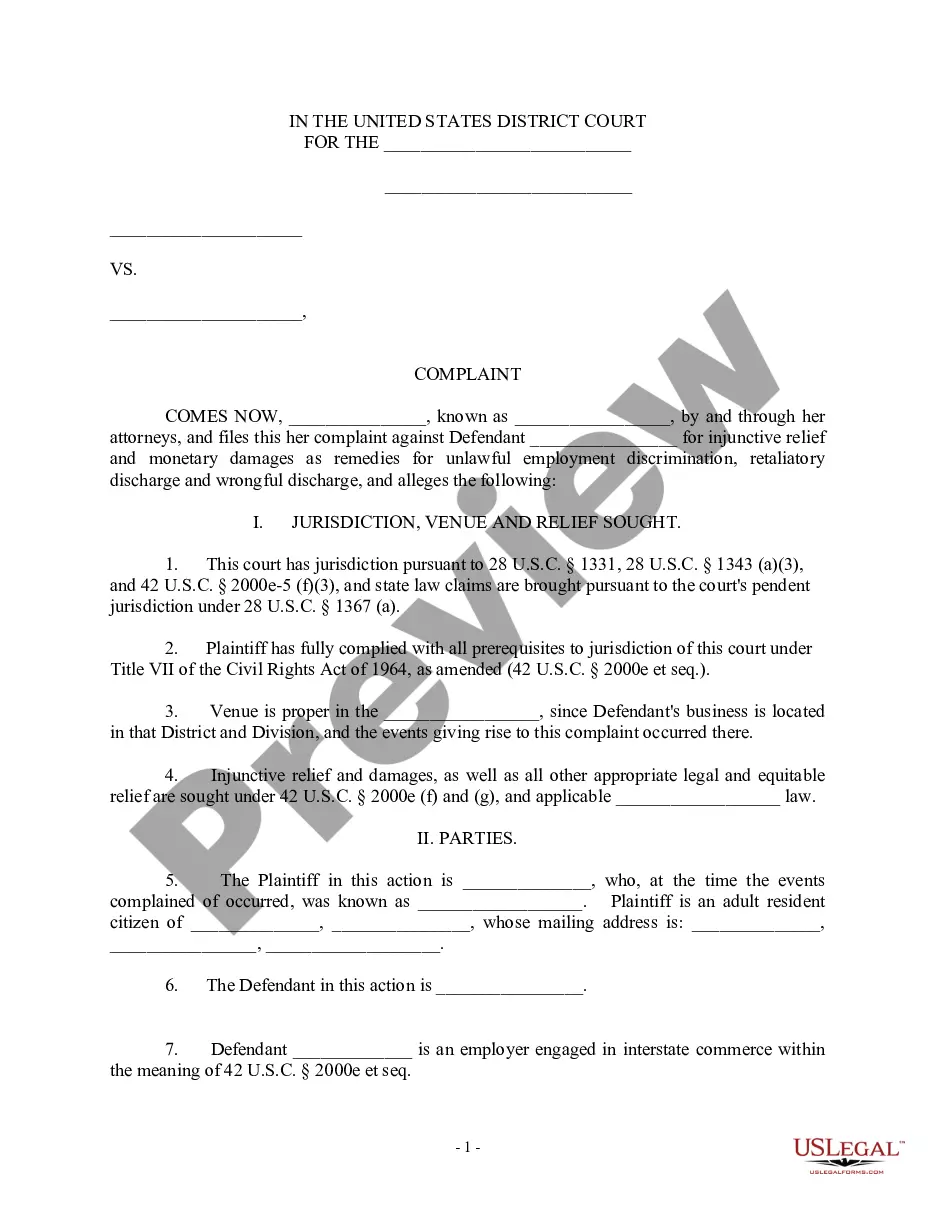
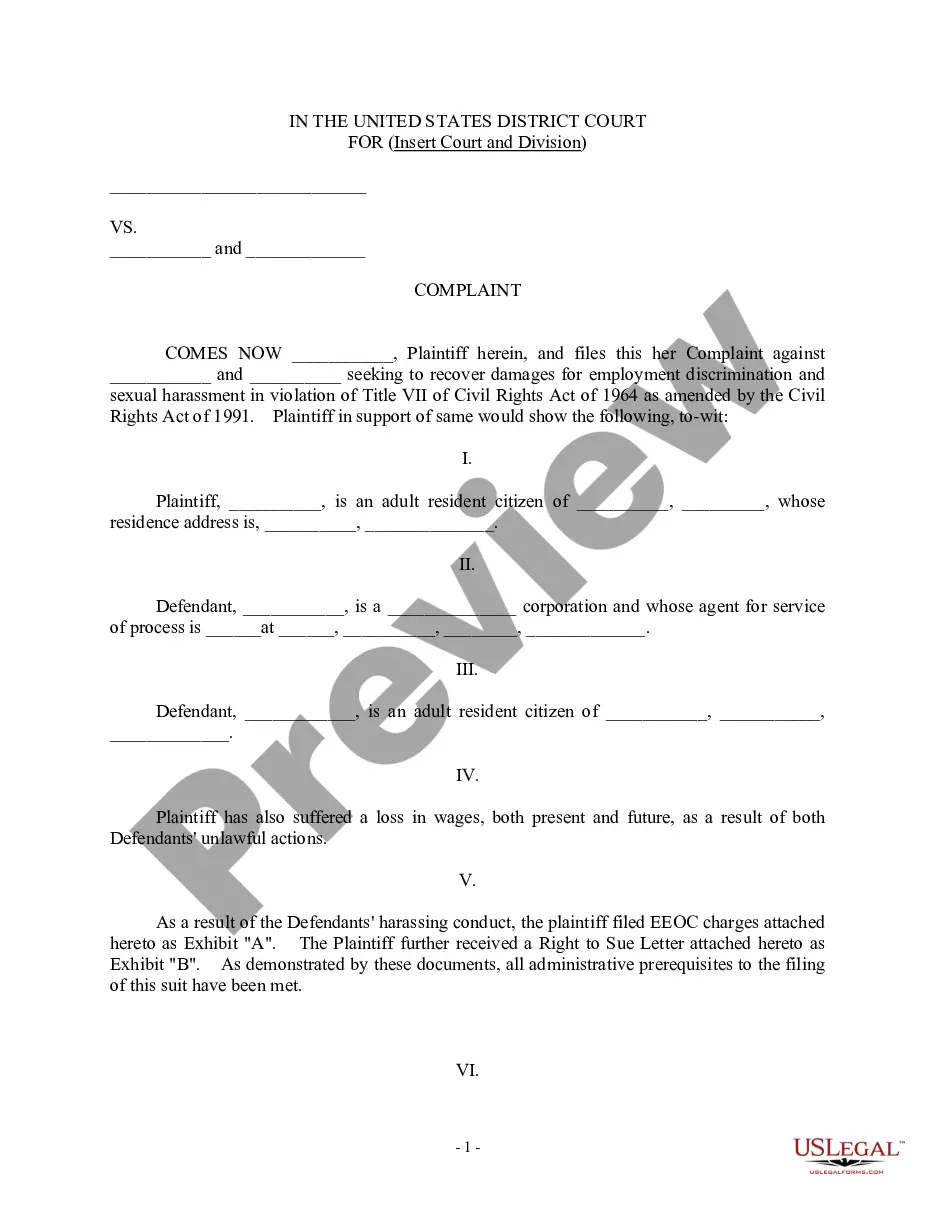
Get your form ready online
Our built-in tools help you complete, sign, share, and store your documents in one place.
Make edits, fill in missing information, and update formatting in US Legal Forms—just like you would in MS Word.
Download a copy, print it, send it by email, or mail it via USPS—whatever works best for your next step.
Sign and collect signatures with our SignNow integration. Send to multiple recipients, set reminders, and more. Go Premium to unlock E-Sign.
If this form requires notarization, complete it online through a secure video call—no need to meet a notary in person or wait for an appointment.
We protect your documents and personal data by following strict security and privacy standards.

Make edits, fill in missing information, and update formatting in US Legal Forms—just like you would in MS Word.

Download a copy, print it, send it by email, or mail it via USPS—whatever works best for your next step.

Sign and collect signatures with our SignNow integration. Send to multiple recipients, set reminders, and more. Go Premium to unlock E-Sign.

If this form requires notarization, complete it online through a secure video call—no need to meet a notary in person or wait for an appointment.

We protect your documents and personal data by following strict security and privacy standards.
Looking for another form?
Form popularity
FAQ
Convictions don't go away just because a CRA no longer may report them to an employer. They're still a matter of public record, and they can be discovered in ways other than a background check. However, some states expunge some convictions more than seven (or some other number of years) old.
The FCRA's seven-year rule restricts the reporting of certain types of information for jobs paying less than a minimum salary threshold. Additionally, several states have seven-year restrictions on reporting criminal convictions.
Tips for getting a job with a criminal record Understand the regulations. Look for employers open to hiring people with criminal records. Do volunteer work. Get training. Gather references. Make use of inside connections. Steer the conversation to the positive. Be truthful.
Many people mistakenly think that United States criminal records automatically clear after 7 years. This is inaccurate. However, after 5 to 10 years, you may be eligible for expungement, depending on state law. At that point, you can file a petition with the court to have your criminal record expunged.
Wronged employees have three ways of proving their employers intended to discriminate: circumstantial evidence, direct evidence, and pattern and practice. Circumstantial evidence is evidence that proves a fact by inference, as opposed to direct evidence which directly proves a fact.
The following states don't allow criminal background checks to go back further than seven years: Colorado. California. Massachusetts. Montana. Maryland. Kansas. New Hampshire. New York.
In a Nutshell: A convicted felon does not enjoy a protected status against employer discrimination (i.e. like race, religion, sexual orientation, etc.). An employer may refuse to hire a convicted felon as long as there is a bona fide occupational basis for so discriminating.
How to Prove Discrimination in the Workplace You have been treated unjustly based on one of your protected characteristics. You are qualified, capable and honest and performed your job satisfactorily. Discrimination has negatively affected your job. Job decisions were not objective.
Job types to consider include application development, computer repair, car maintenance and landscaping. Again, there are many employers open to hiring people with criminal records. The best job for you depends on your qualifications and interests.