Employment Law For Hr Professionals In Bronx
Description




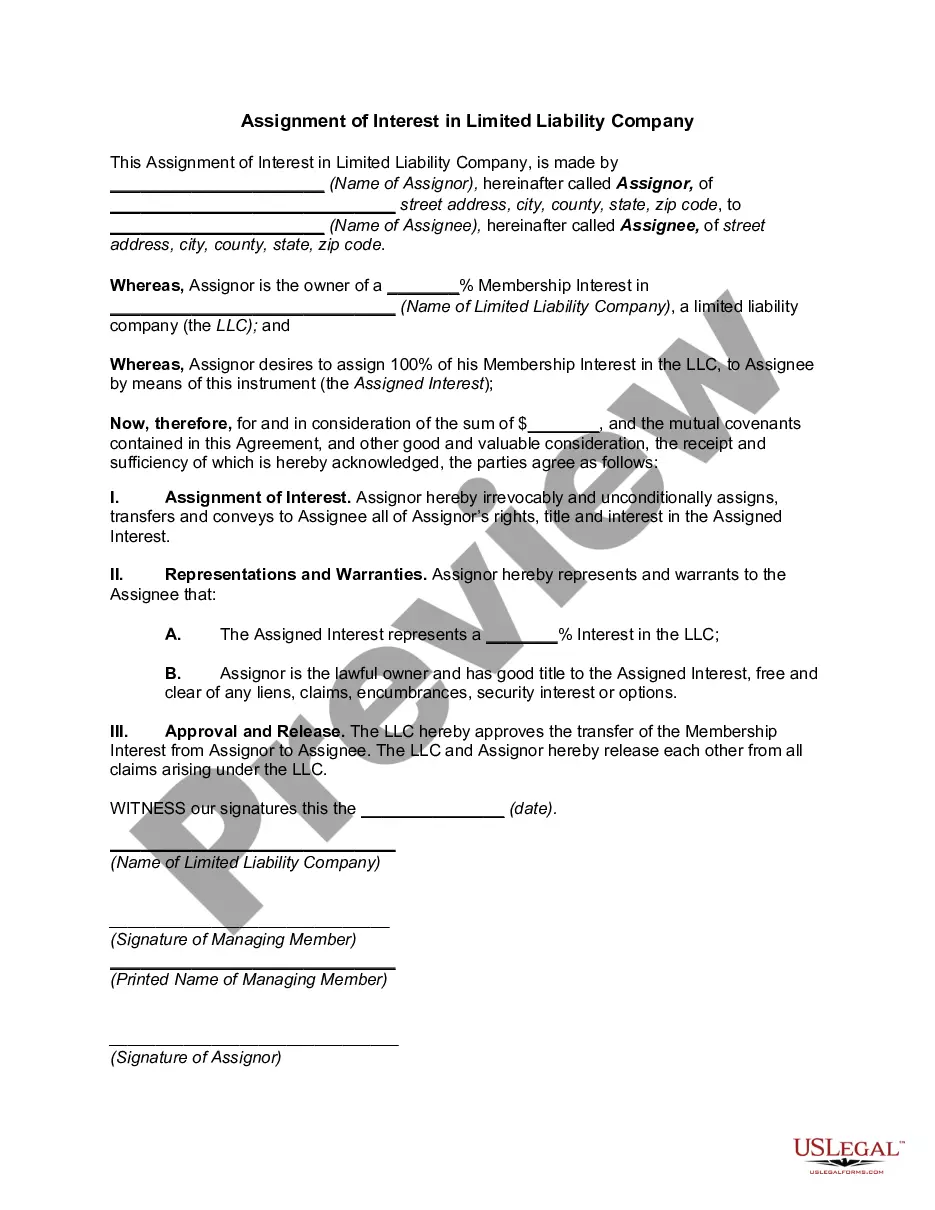
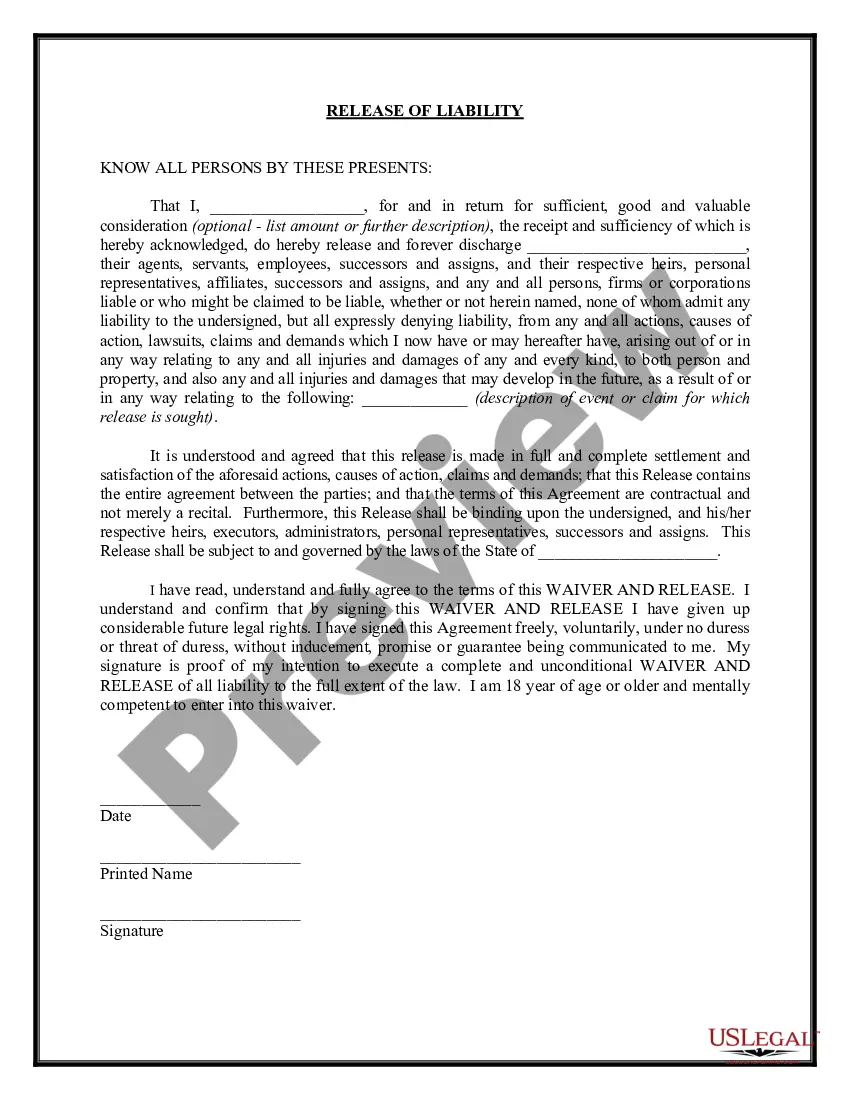
Get your form ready online
Our built-in tools help you complete, sign, share, and store your documents in one place.
Make edits, fill in missing information, and update formatting in US Legal Forms—just like you would in MS Word.
Download a copy, print it, send it by email, or mail it via USPS—whatever works best for your next step.
Sign and collect signatures with our SignNow integration. Send to multiple recipients, set reminders, and more. Go Premium to unlock E-Sign.
If this form requires notarization, complete it online through a secure video call—no need to meet a notary in person or wait for an appointment.
We protect your documents and personal data by following strict security and privacy standards.

Make edits, fill in missing information, and update formatting in US Legal Forms—just like you would in MS Word.

Download a copy, print it, send it by email, or mail it via USPS—whatever works best for your next step.

Sign and collect signatures with our SignNow integration. Send to multiple recipients, set reminders, and more. Go Premium to unlock E-Sign.

If this form requires notarization, complete it online through a secure video call—no need to meet a notary in person or wait for an appointment.

We protect your documents and personal data by following strict security and privacy standards.
Looking for another form?








Form popularity
FAQ
HR compliance means adhering to all applicable labor laws. The larger your organization and the more geographic regions you operate in, the more regulations you must comply with.
1.3 How would an HR professional determine whether an employment law is applicable to his/her employer? The first step is determining which federal employment statutes apply to the firm. Some federal laws apply to all employers regardless of size. Such is the case of the USERRA and the NLRA.
What Are the 5 Stages of the Recruitment Process? Stage 1: Create a Recruitment Process Flowchart. Stage 2: Search and Screen the Candidates for the Selection Process. Stage 3: Interview Process for the Candidates. Stage 4: Select the Best One. Stage 5: Make an Offer. Wrapping Up.
There are no strict legal requirements when recruiting, although employers must not unlawfully discriminate when advertising a role or selecting someone for that role. They must also comply with the rules relating to data protection and right to work checks.
HR plays a major role in recruitment and staffing by managing the hiring process from start to finish. They identify hiring needs, create job postings, screen applications, perform background checks, conduct interviews, help choose the best person for the role, and onboard new team members.
It is illegal for employers of 5 or more employees to discriminate against job applicants and employees because of a protected category, or retaliate against them because they have asserted their rights under the law.
HR law, sometimes called employment law, is an area of law that focuses specifically on the workplace and workers. The aim of these laws and regulations is to promote fair and equal treatment of a company's employees.
A law degree isn't a requirement to become a human resource professional. Even so, HR students will spend time studying employment laws, and legal aspects likely will touch much of an HR professional's role.
The U.S. Department of Labor (DOL) administers and enforces more than 180 federal laws.
Employment law is a broad area encompassing all areas of the employer/employee relationship. Employment law consists of thousands of federal and state statutes, administrative regulations, and judicial decisions. Many employment laws (such as minimum wage regulations) were enacted as protective labor legislation.
