Repossession Letter For Auto In San Antonio
Description








Get your form ready online
Our built-in tools help you complete, sign, share, and store your documents in one place.
Make edits, fill in missing information, and update formatting in US Legal Forms—just like you would in MS Word.
Download a copy, print it, send it by email, or mail it via USPS—whatever works best for your next step.
Sign and collect signatures with our SignNow integration. Send to multiple recipients, set reminders, and more. Go Premium to unlock E-Sign.
If this form requires notarization, complete it online through a secure video call—no need to meet a notary in person or wait for an appointment.
We protect your documents and personal data by following strict security and privacy standards.

Make edits, fill in missing information, and update formatting in US Legal Forms—just like you would in MS Word.

Download a copy, print it, send it by email, or mail it via USPS—whatever works best for your next step.

Sign and collect signatures with our SignNow integration. Send to multiple recipients, set reminders, and more. Go Premium to unlock E-Sign.

If this form requires notarization, complete it online through a secure video call—no need to meet a notary in person or wait for an appointment.

We protect your documents and personal data by following strict security and privacy standards.
Looking for another form?








Form popularity
FAQ
Texas repo laws are fairly simple. A creditor can file a lawsuit seeking an order to begin the car repossession process. However, automobile repossession laws in Texas allow creditors with valid liens on vehicles to use “self-help” methods when a borrower is behind on loan payments.
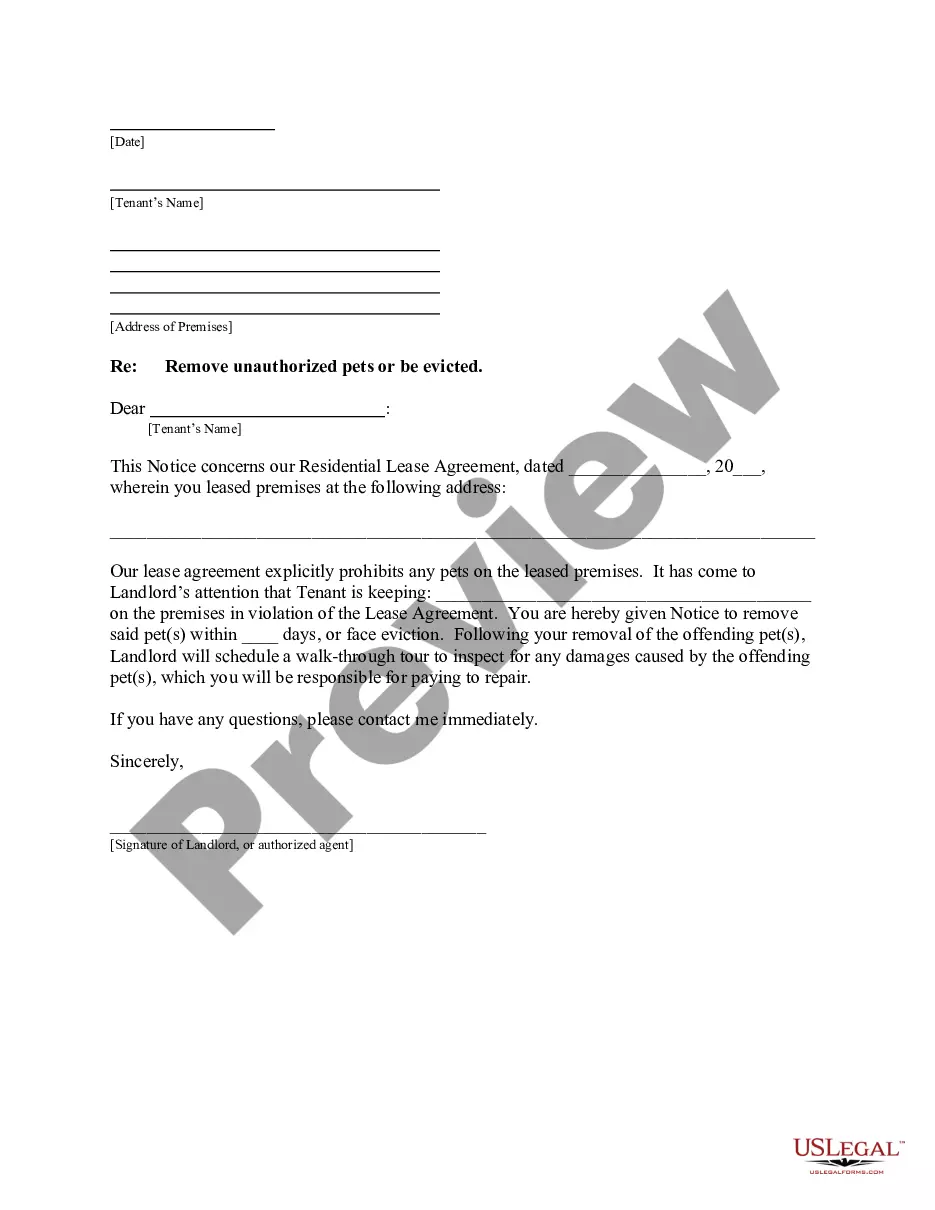
You are hereby notified that your description of motor vehicle, year, make, model and VIN #, was lawfully repossessed on Date because you defaulted on your loan with Credit Union Name. The vehicle is being held at location address of vehicle. be sold at public sale. A sale could include a lease or license.
Dear Borrower Name: You are hereby notified that your description of motor vehicle, year, make, model and VIN #, was lawfully repossessed on Date because you defaulted on your loan with Credit Union Name. The vehicle is being held at location address of vehicle. be sold at public sale.
Know the Repo Laws of Your State. The first thing to know about how to repo a car is you need to be aware of how repo laws stand within the jurisdictions where you will conduct business. Make Sure the Debtor Is in Default. Locate and Verify the Car. Choose the Method to Repossess. Do Not Breach the Peace.
Repossession rights in Texas are governed by the Texas Business & Commerce Code §9.609. ing to this code section, a lender has the right to repossess a vehicle without filing a lawsuit if the repossession can be accomplished without a “breach of the peace.”
They need to send you a 20 day right to cure letter notifying you of the delinquency. After that time, they can repossess the vehicle as long as it is done peacefully. You have 10 days after repossession to recover your vehicle by paying.
Dear Borrower Name: You are hereby notified that your description of motor vehicle, year, make, model and VIN #, was lawfully repossessed on Date because you defaulted on your loan with Credit Union Name. The vehicle is being held at location address of vehicle. be sold at public sale.
Contact Your Lender: Reach out to your lender or financing company directly. They can provide information about your account status, including any late fees, and whether they have initiated repossession proceedings. Review Communication: Check any recent correspondence from your lender.
