Contract Exhibit Agreement Without Court In Salt Lake
Description








Get your form ready online
Our built-in tools help you complete, sign, share, and store your documents in one place.
Make edits, fill in missing information, and update formatting in US Legal Forms—just like you would in MS Word.
Download a copy, print it, send it by email, or mail it via USPS—whatever works best for your next step.
Sign and collect signatures with our SignNow integration. Send to multiple recipients, set reminders, and more. Go Premium to unlock E-Sign.
If this form requires notarization, complete it online through a secure video call—no need to meet a notary in person or wait for an appointment.
We protect your documents and personal data by following strict security and privacy standards.

Make edits, fill in missing information, and update formatting in US Legal Forms—just like you would in MS Word.

Download a copy, print it, send it by email, or mail it via USPS—whatever works best for your next step.

Sign and collect signatures with our SignNow integration. Send to multiple recipients, set reminders, and more. Go Premium to unlock E-Sign.

If this form requires notarization, complete it online through a secure video call—no need to meet a notary in person or wait for an appointment.

We protect your documents and personal data by following strict security and privacy standards.
Looking for another form?


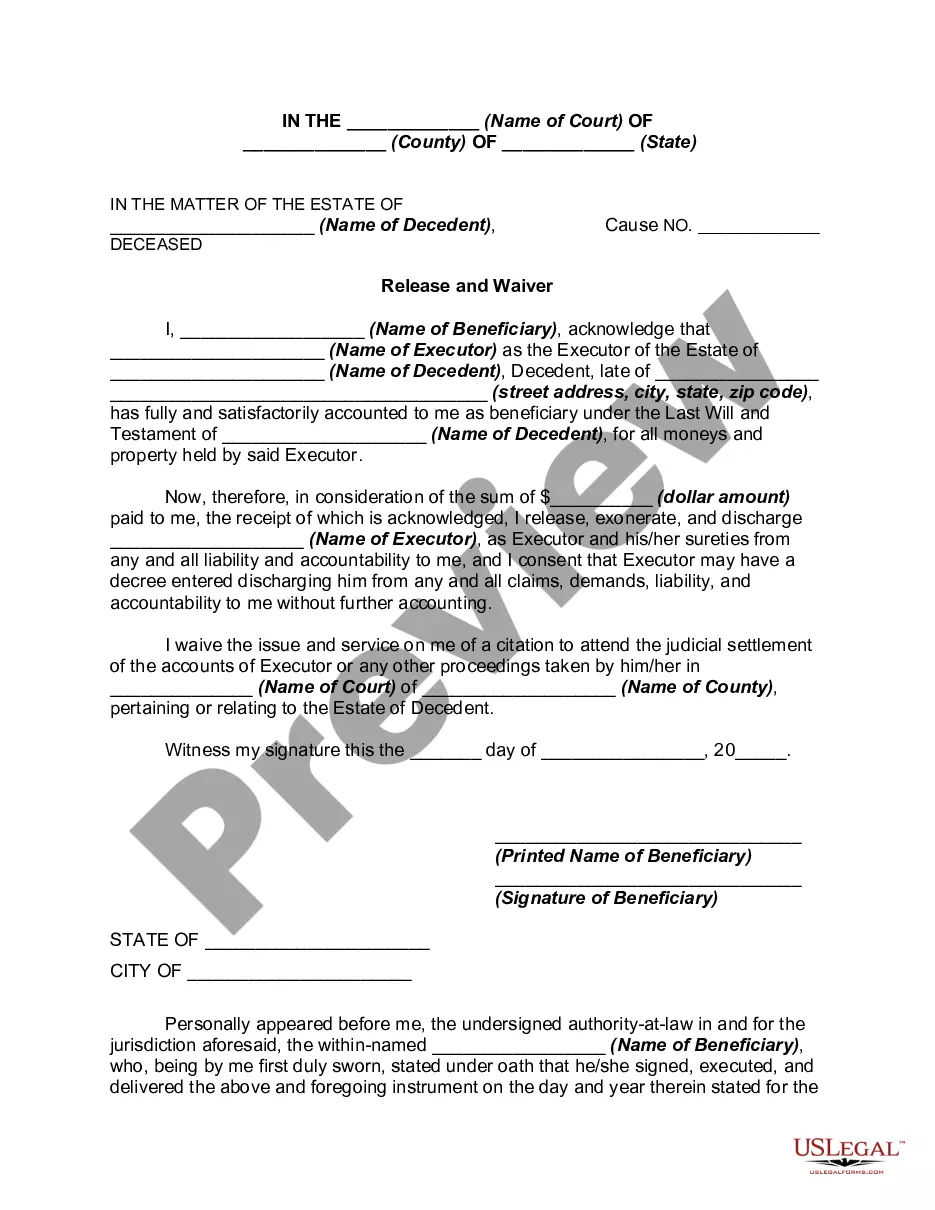
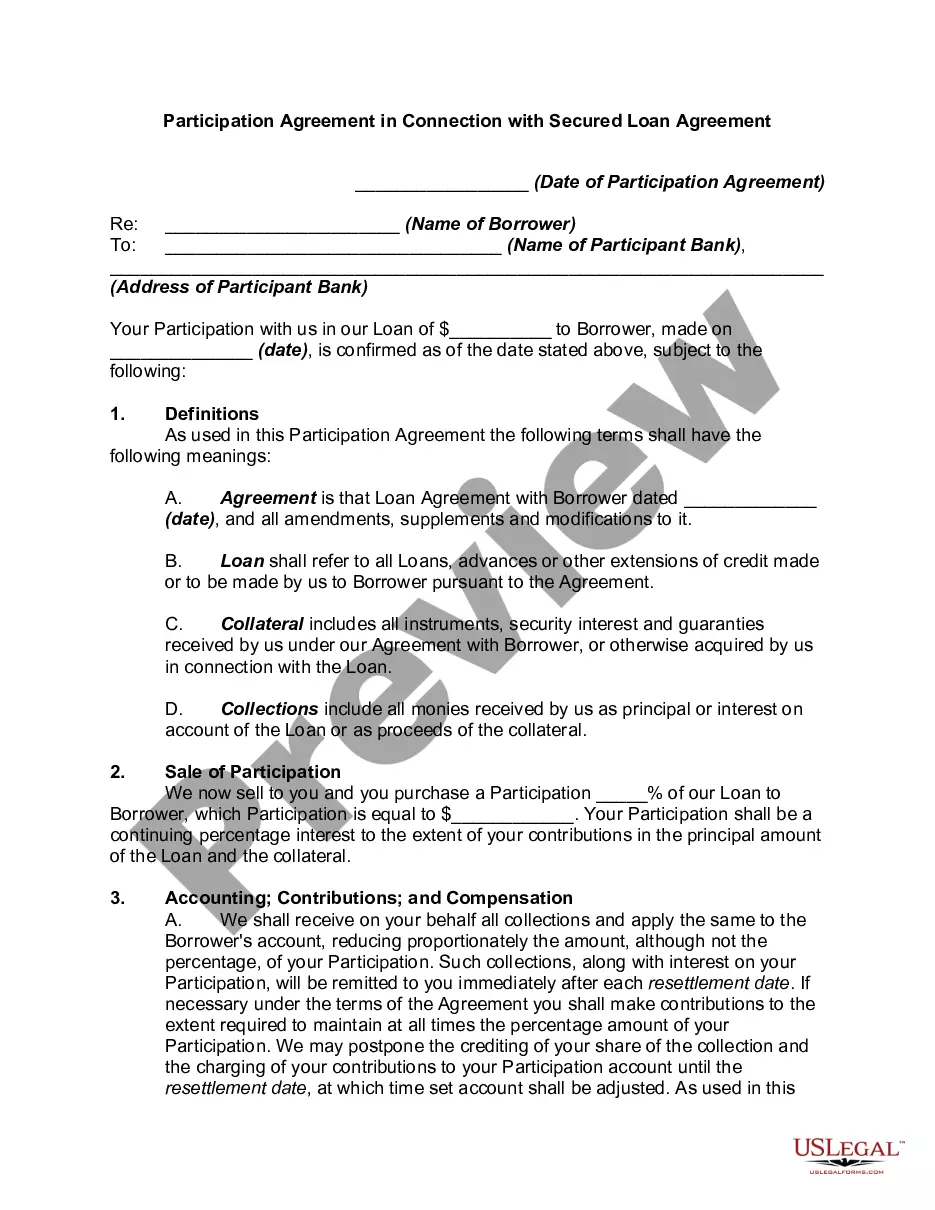





Form popularity
FAQ
A document attached to a contract or agreement. For example, a document entitled Exhibit A listing product specifications attached to a supply contract. Also called annex or schedule.
A contract is an agreement between parties, creating mutual obligations that are enforceable by law. The basic elements required for the agreement to be a legally enforceable contract are: mutual assent, expressed by a valid offer and acceptance; adequate consideration; capacity; and legality.
From a legal perspective, a contract is made when one party makes a valid offer and another party accepts that offer, and that can often be done verbally. However, Utah law requires that some types of agreements must be in writing.
Our business clients often ask if all contracts under Utah law have to be in writing. From a legal perspective, a contract is made when one party makes a valid offer and another party accepts that offer, and that can often be done verbally. However, Utah law requires that some types of agreements must be in writing.
A contract is an agreement between parties, creating mutual obligations that are enforceable by law. The basic elements required for the agreement to be a legally enforceable contract are: mutual assent, expressed by a valid offer and acceptance; adequate consideration; capacity; and legality.
Contracts are made up of three basic parts – an offer, an acceptance and consideration. The offer and acceptance are what the purpose of the agreement is between the parties. A public relations firm offers to provide its services to a potential client.
A contract is an agreement between two parties that creates an obligation to perform (or not perform) a particular duty.
Parties' Signatures: Though not always necessary, having parties sign off on exhibits can provide additional legal certainty.
Summary. To summarize, a contract can be considered legally binding even if all signatures are not present, as long as the actions and intentions of the parties involved align with what was agreed upon. While verbal contracts hold legal weight, they often pose challenges in terms of providing evidence in court.
