True Copy Vs Original In Ohio
Description








Get your form ready online
Our built-in tools help you complete, sign, share, and store your documents in one place.
Make edits, fill in missing information, and update formatting in US Legal Forms—just like you would in MS Word.
Download a copy, print it, send it by email, or mail it via USPS—whatever works best for your next step.
Sign and collect signatures with our SignNow integration. Send to multiple recipients, set reminders, and more. Go Premium to unlock E-Sign.
If this form requires notarization, complete it online through a secure video call—no need to meet a notary in person or wait for an appointment.
We protect your documents and personal data by following strict security and privacy standards.

Make edits, fill in missing information, and update formatting in US Legal Forms—just like you would in MS Word.

Download a copy, print it, send it by email, or mail it via USPS—whatever works best for your next step.

Sign and collect signatures with our SignNow integration. Send to multiple recipients, set reminders, and more. Go Premium to unlock E-Sign.

If this form requires notarization, complete it online through a secure video call—no need to meet a notary in person or wait for an appointment.

We protect your documents and personal data by following strict security and privacy standards.
Looking for another form?
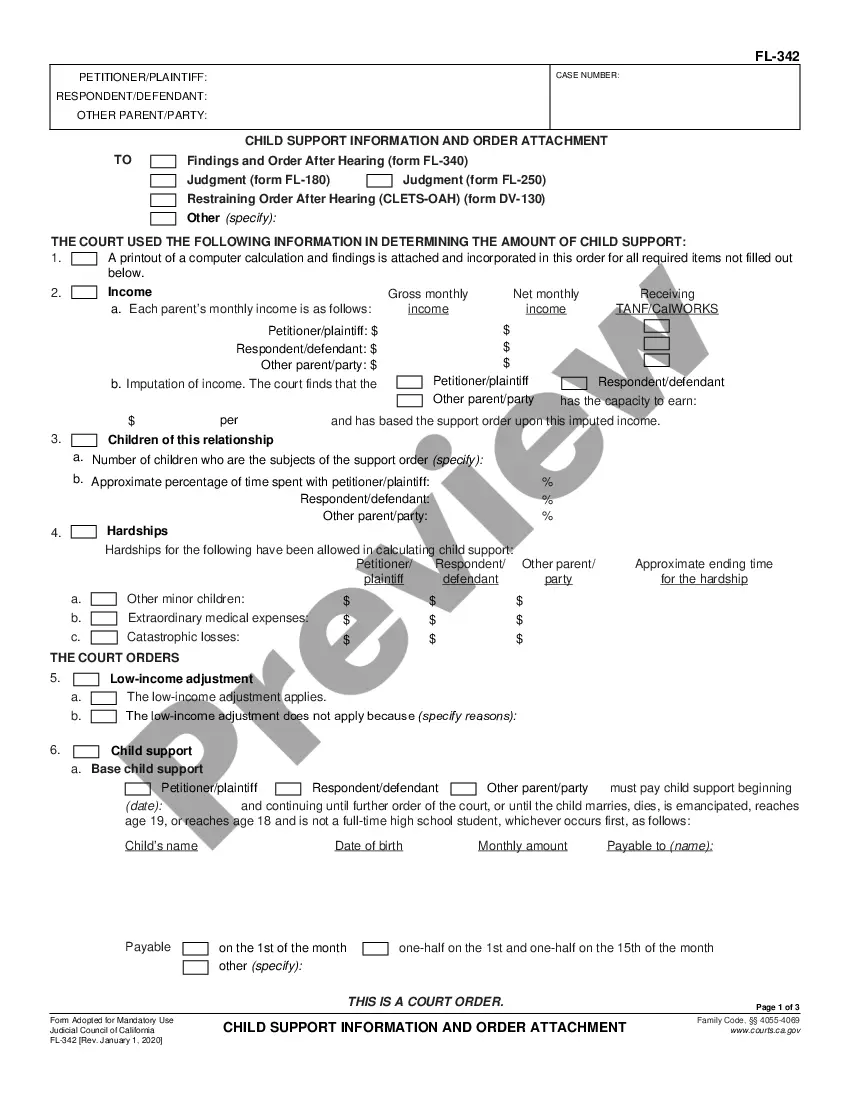






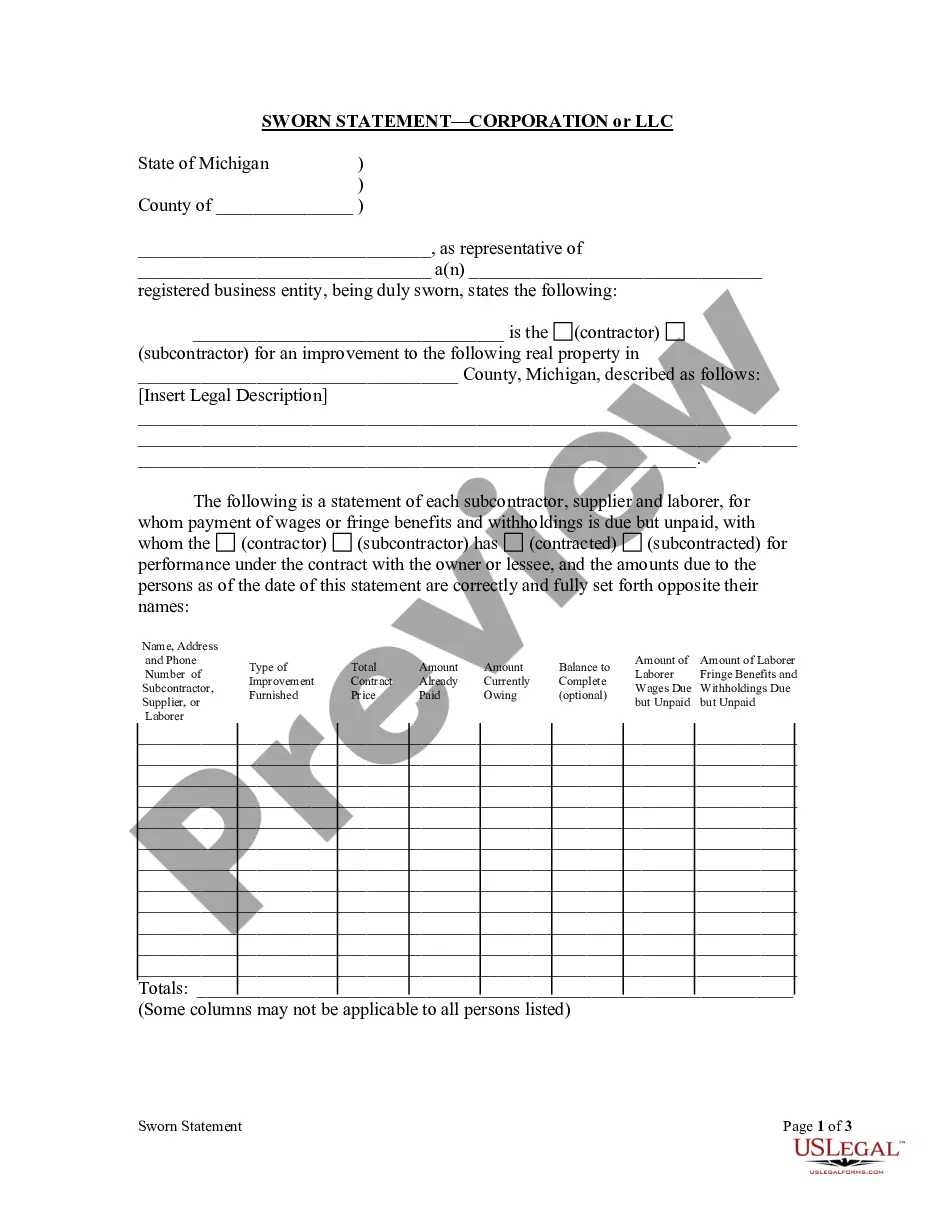

Form popularity
FAQ
Certified True Copy Certification Secure and fill out application form. Submit duly accomplished form and attach the other supporting documents. Wait for the issuance of Order of Payment Slip (OPS). Pay the corresponding fees.
What is the difference between a true copy, certified copy, and original document? A “true copy" is a copy of something that matches the original (ie, not altered or different from the original in any way). A “certified copy" is a copy that someone has inspected to ensure that it is a true copy.
This is an example of the notarial certificate for an acknowledgment: A jurat is an act requiring the signer to give an oath or affirmation that the statement in the notarized document is true and correct and the signer must sign the notarized document in the presence of a notary public.
Each of the following steps is an integral part of the process to protect the public. Identify the signer appearing before you. Review the paperwork. Enter the notarial act in your journal. Perform the correct verbal ceremony. Complete the Notarial Certificate.
The notarial certificate requires the following: Wording of acknowledgment or jurat; The signature of the notary public; The typed/printed/stamped name of the notary public; The date of the notarial act; The venue where the notarization occurred (county/state); Notary commission's expiration date, if applicable; and.
Final answer: The four elements of a notarial certificate are the venue, the certificate of acknowledgment, the notary seal, and the notary signature and date of notarization.
Venue. Date. Official character of the person taking the acknowledgment. The fact that the person whose acknowledgment is taken appeared before the notary public or officer and acknowledged execution.
A certified copy doesn't certify or confirm that the primary document or original document is genuine, only that it's a true copy of the primary document. This means that if the primary document isn't legitimate, you cannot use the certified copy to guarantee that it's genuine.
There are no endorsements, stamps or seals on a Plain Copy. A Certified Copy typically includes an additional page with a certification stamp and signature stating that the document(s) are true and complete copies as filed for record in that office.
A photocopy of a genuine signature may show “lumpiness” or lack of smooth, clear-cut strokes, resulting in poor line quality (record of the strokes), when in reality the original document may contain good line quality upon examination.
