Repossession Form Sample With Lien In Minnesota
Description








Get your form ready online
Our built-in tools help you complete, sign, share, and store your documents in one place.
Make edits, fill in missing information, and update formatting in US Legal Forms—just like you would in MS Word.
Download a copy, print it, send it by email, or mail it via USPS—whatever works best for your next step.
Sign and collect signatures with our SignNow integration. Send to multiple recipients, set reminders, and more. Go Premium to unlock E-Sign.
If this form requires notarization, complete it online through a secure video call—no need to meet a notary in person or wait for an appointment.
We protect your documents and personal data by following strict security and privacy standards.

Make edits, fill in missing information, and update formatting in US Legal Forms—just like you would in MS Word.

Download a copy, print it, send it by email, or mail it via USPS—whatever works best for your next step.

Sign and collect signatures with our SignNow integration. Send to multiple recipients, set reminders, and more. Go Premium to unlock E-Sign.

If this form requires notarization, complete it online through a secure video call—no need to meet a notary in person or wait for an appointment.

We protect your documents and personal data by following strict security and privacy standards.
Looking for another form?
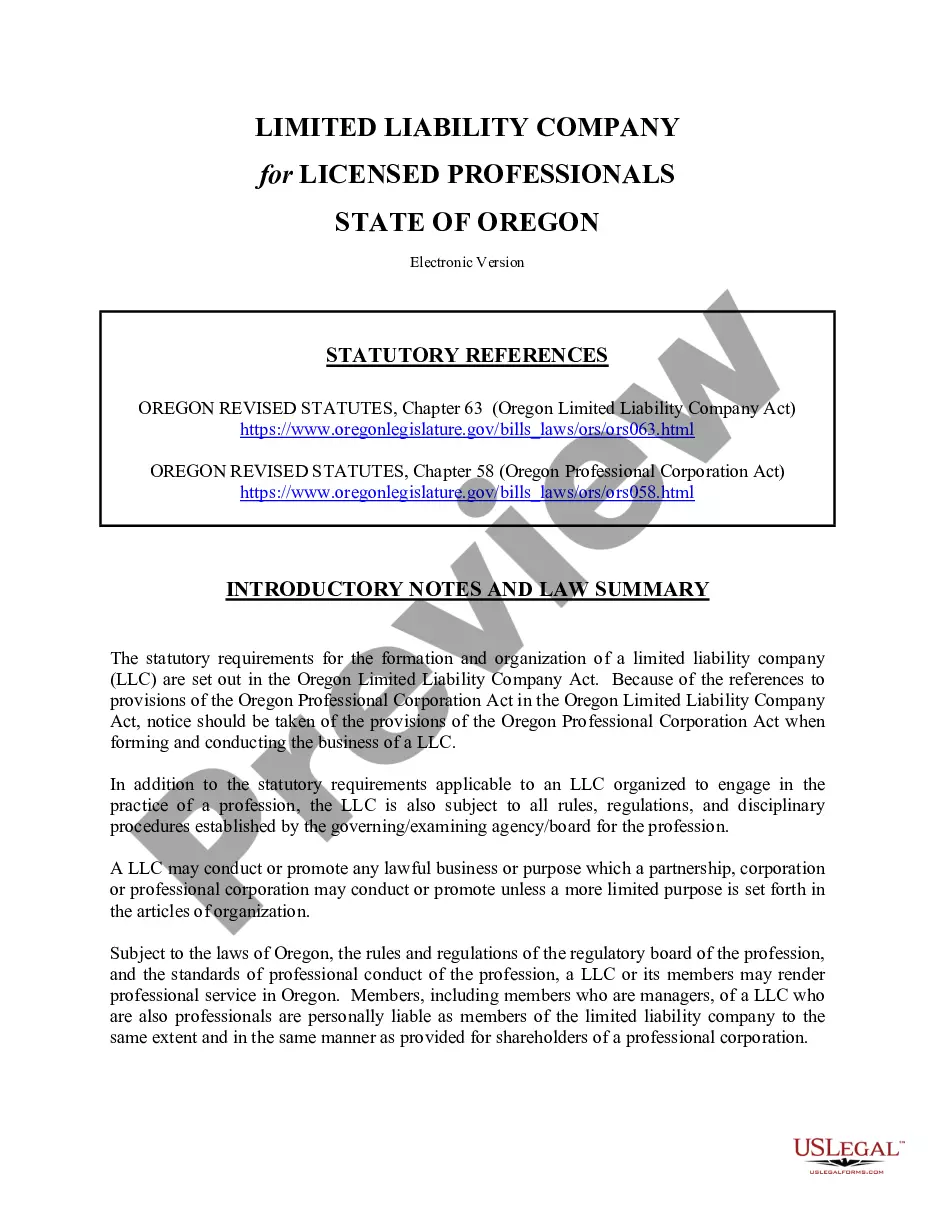

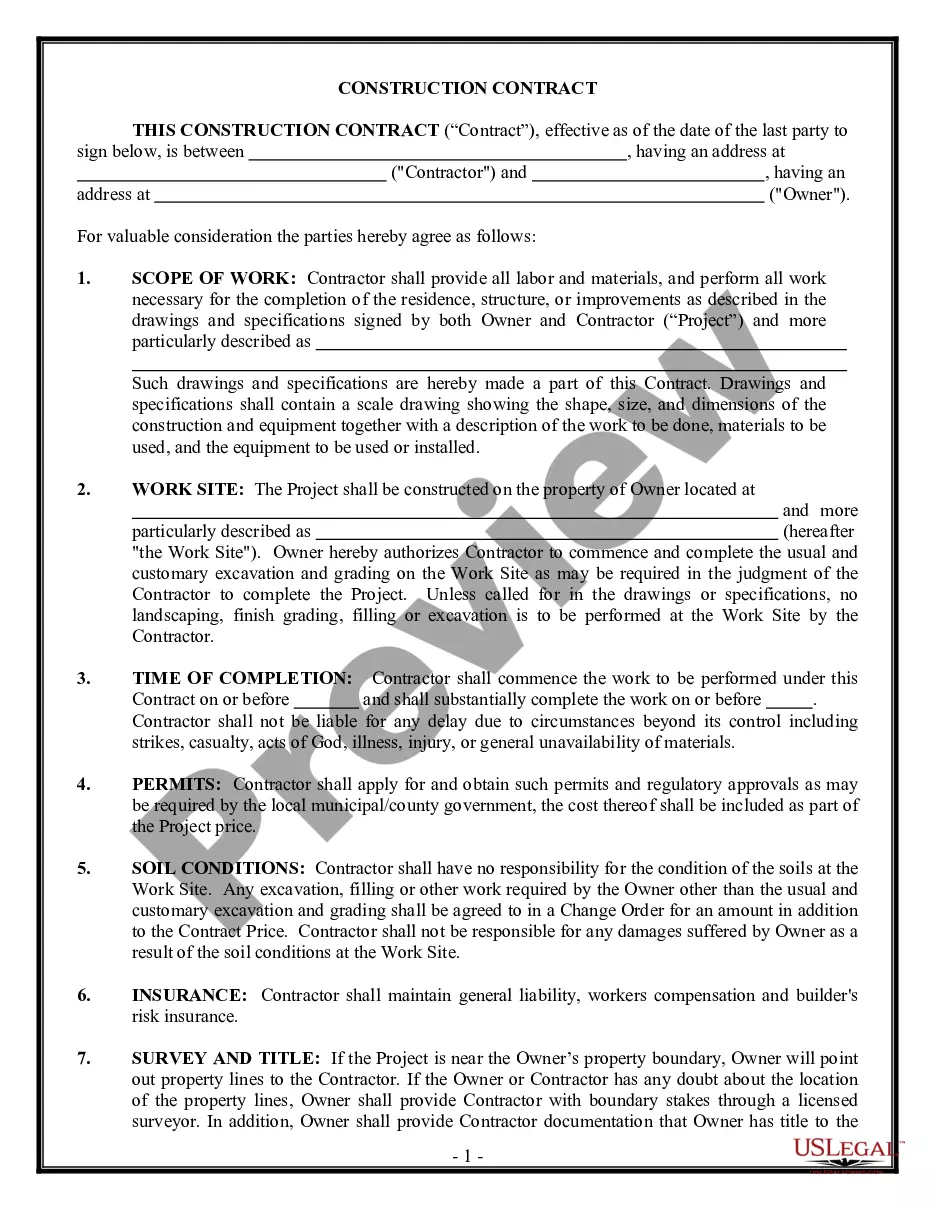



Form popularity
FAQ
A repossession affidavit is a legal statement filed with the Department of Motor Vehicles when you repossess a car from a customer. This document provides details about the repossession such as why and how the vehicle was repossessed. It also informs government authorities that the vehicle has been repossessed.
If the repo company can't repossess the car without breaching the peace, then the lender can go to court and go through the replevin process. The lender is basically taking you to court to make you hand over the car. If you lose the court case, then you have to return the car by the scheduled date.
Obtaining a repossession title involves completing specific paperwork to transfer ownership from the previous owner to the lienholder. This paperwork often includes an application for a repossession title, a bill of sale, and a certificate of repossession.
A repossession affidavit is a legal statement filed with the Department of Motor Vehicles when you repossess a car from a customer. This document provides details about the repossession such as why and how the vehicle was repossessed. It also informs government authorities that the vehicle has been repossessed.
Statute of limitations. In most Minnesota debt collection cases, such as credit cards, the statute of limitations is six years. However, the statute of limitations for a repossession deficiency claim is likely four years.
To add a lien to your title, you will need: Your MN title. If you are refinancing and there is a lienholder showing on the title, you will need to submit a lien release. Fill out your MN title with help from our Add a Lien Guide (PDF) Call us at (952) 496-8432 for total amount. Place in the drop box, mail.
Minnesota law requires a title be transferred within 10 business days of the date of sale to avoid a penalty. The Anoka County License Centers recommend that all buyers and sellers appear in person to complete the title transfer.
All sellers must complete and sign the title in the seller's section on the front of the title. All buyers must complete and sign the buyers section (next to the sellers section) as well as complete and sign the "Application for Title by Buyer" section.
