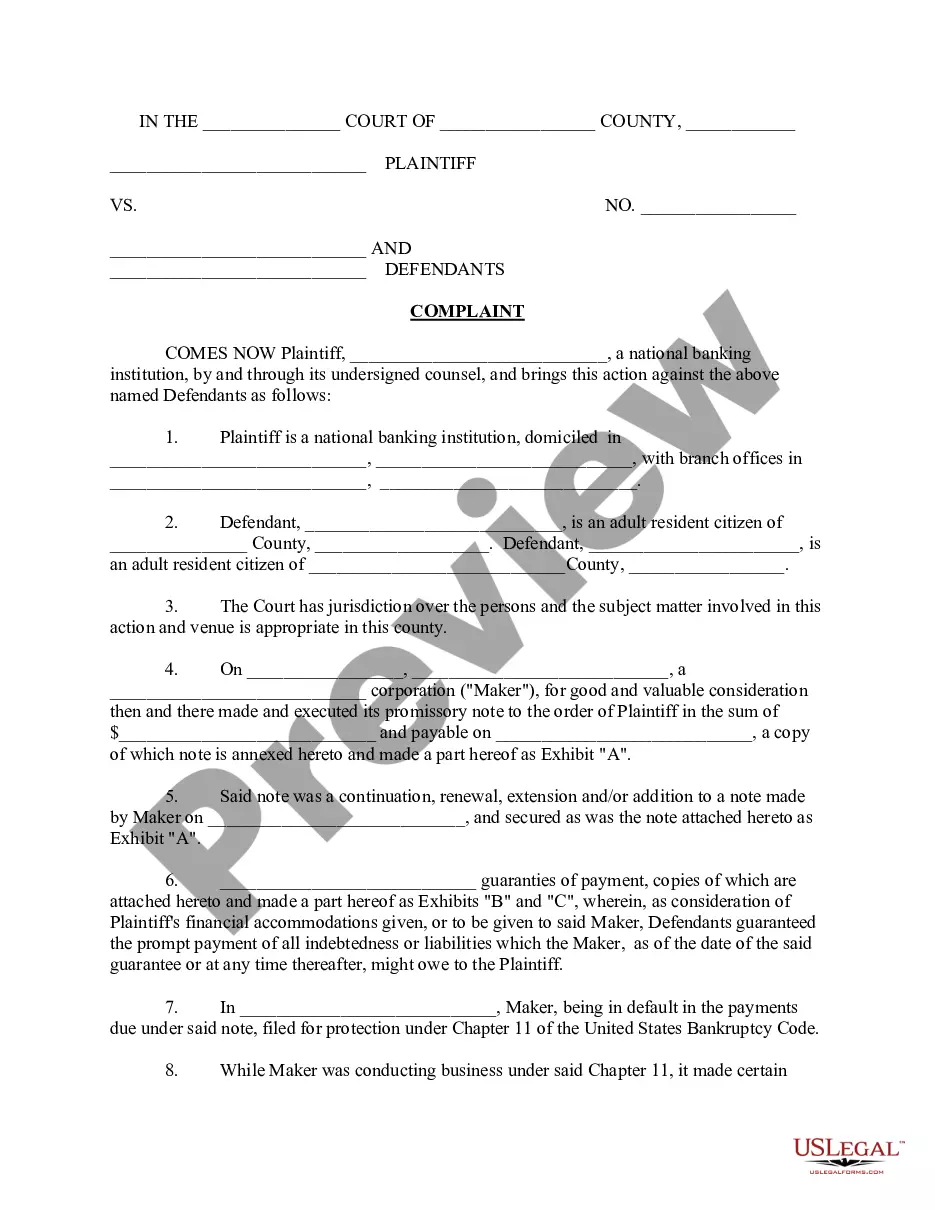
Verified Complaint Form With Motion In Middlesex
Description

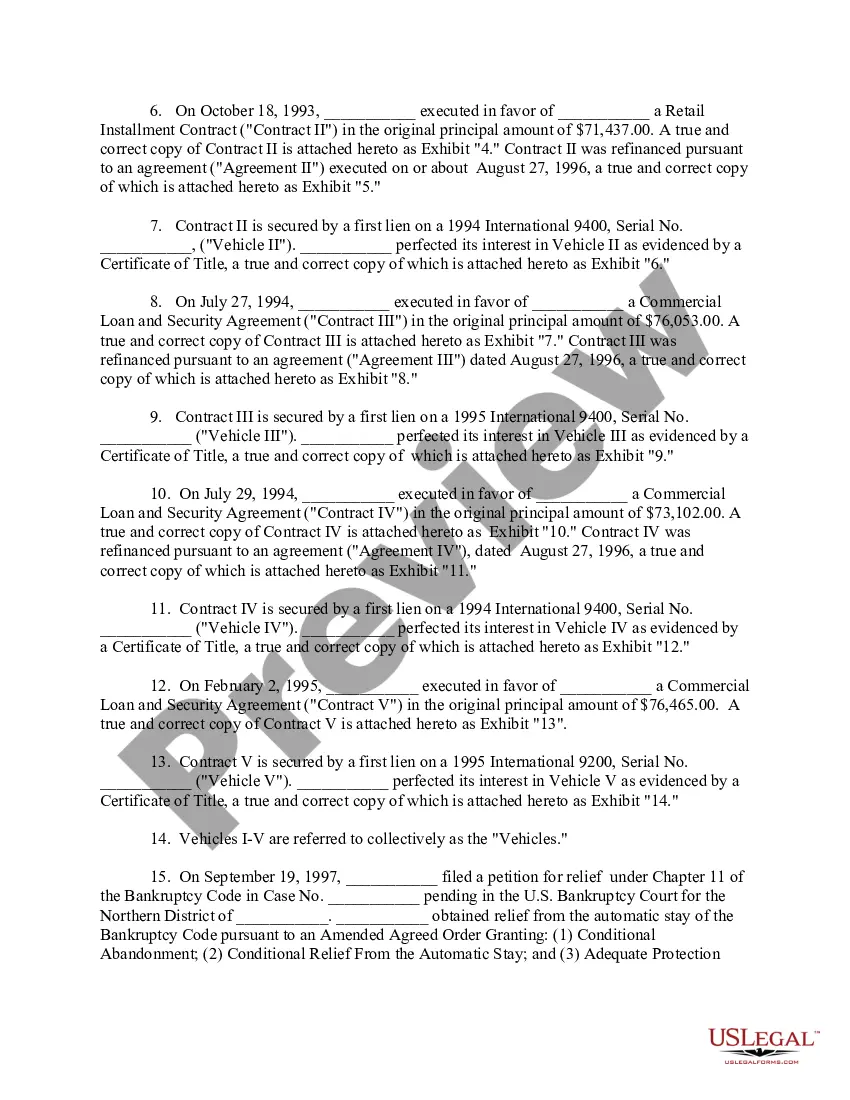
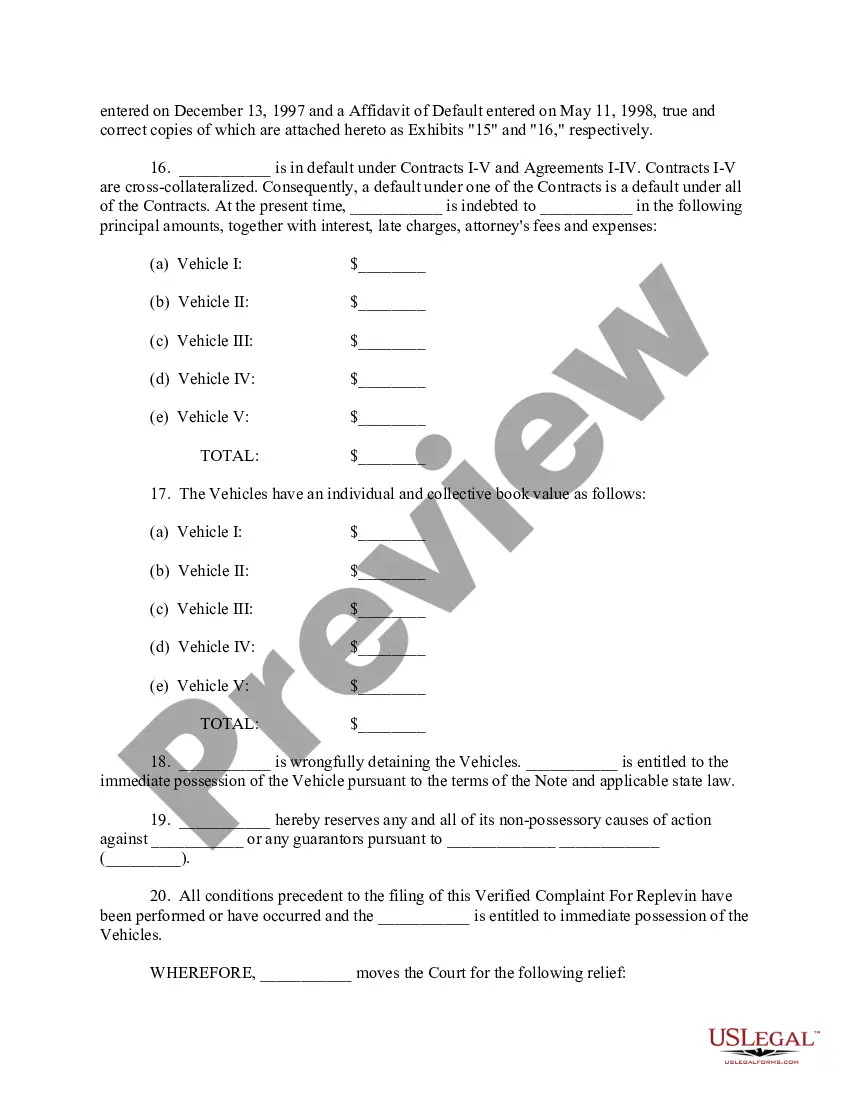
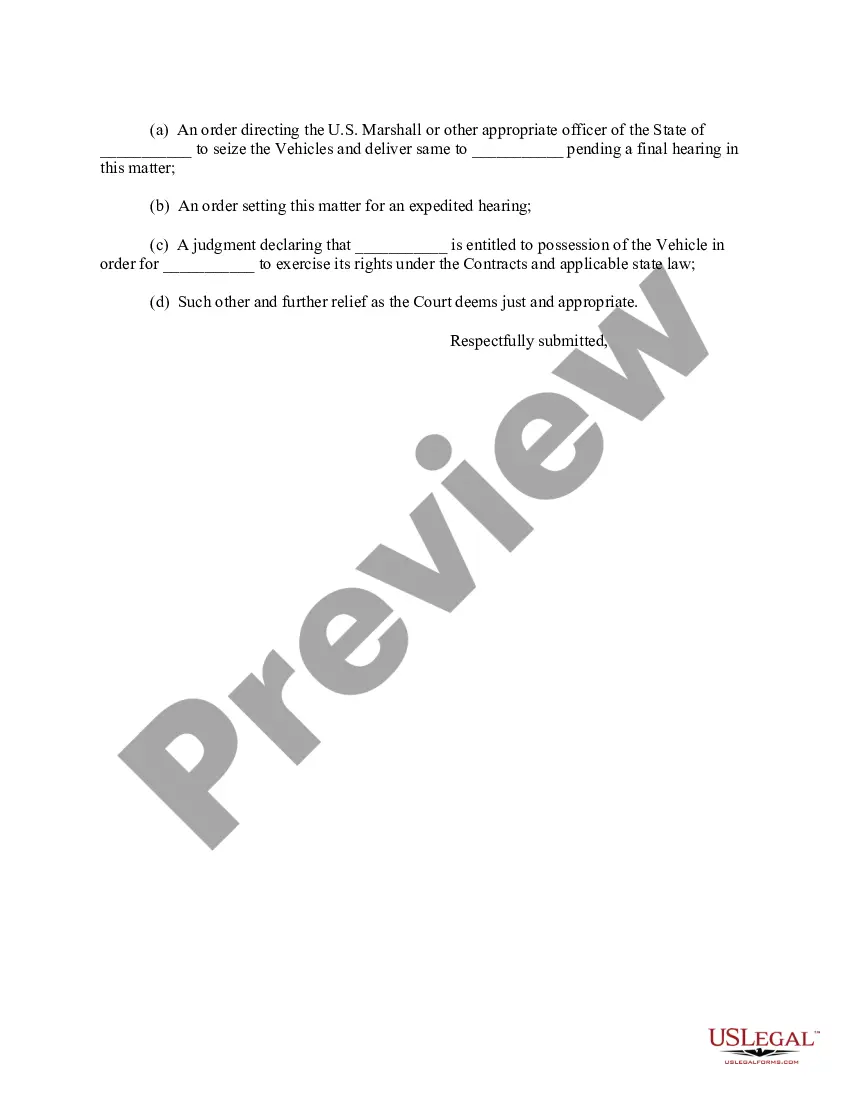
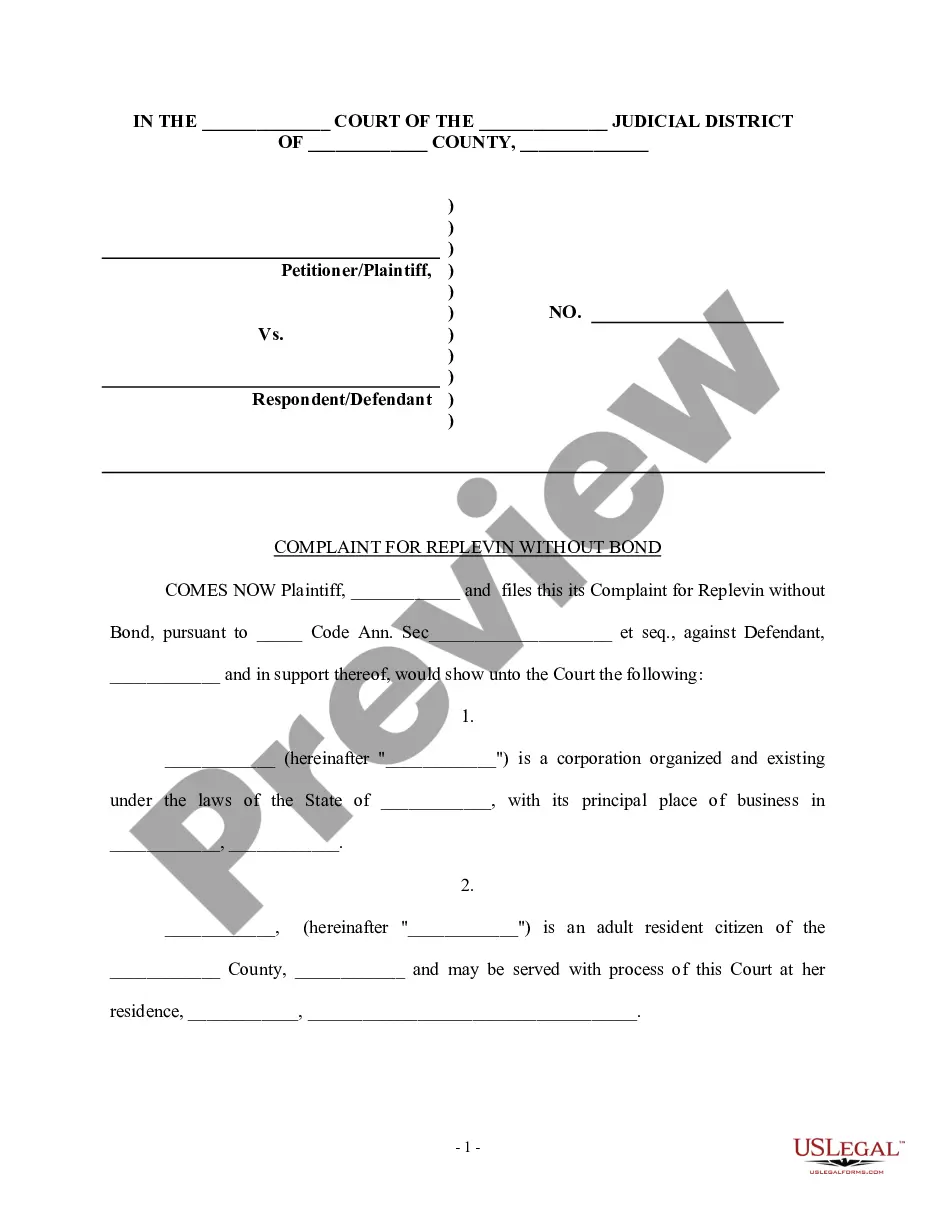

Get your form ready online
Our built-in tools help you complete, sign, share, and store your documents in one place.
Make edits, fill in missing information, and update formatting in US Legal Forms—just like you would in MS Word.
Download a copy, print it, send it by email, or mail it via USPS—whatever works best for your next step.
Sign and collect signatures with our SignNow integration. Send to multiple recipients, set reminders, and more. Go Premium to unlock E-Sign.
If this form requires notarization, complete it online through a secure video call—no need to meet a notary in person or wait for an appointment.
We protect your documents and personal data by following strict security and privacy standards.

Make edits, fill in missing information, and update formatting in US Legal Forms—just like you would in MS Word.

Download a copy, print it, send it by email, or mail it via USPS—whatever works best for your next step.

Sign and collect signatures with our SignNow integration. Send to multiple recipients, set reminders, and more. Go Premium to unlock E-Sign.

If this form requires notarization, complete it online through a secure video call—no need to meet a notary in person or wait for an appointment.

We protect your documents and personal data by following strict security and privacy standards.
Looking for another form?







Form popularity
FAQ
Orders to Show Cause are generally used to avert or prevent irreparable harm to a child or to protect their health, safety, and welfare. Prevention of harm is the reason to seek emergent remedy with the court. The court, in its discretion, may issue an emergency order.
Definition. A verified complaint is a sworn document in which the plaintiff tells the court the facts of the case and states what relief is sought.
In Civil Law, an “answer” is the first formal response given by the defense to a complaint filed with the court by the plaintiff. This opening written statement will admit or deny the allegations, or demand more information about the claims of wrongdoing.
Except when otherwise specifically provided by rule or statute, pleadings need not be verified or accompanied by affidavit. An unsigned paper shall be stricken unless omission of the signature is corrected promptly after being called to the attention of the attorney or party.
When the complaint is verified, the answer shall be verified.
Typically, a plaintiff verifies a complaint by attaching a page at the end containing a statement made under oath that: The plaintiff has reviewed the complaint. The plaintiff knows or believes that all allegations that the plaintiff has personal knowledge of to be true.
SECTION 446 When the complaint is verified, the answer shall be verified.
If a complaint is not verified you can answer with a general denial pursuant to Code of Civil Procedure § 431.30(b) and generally deny all of the allegations of the complaint. However you should also be sure to include specific affirmative defenses that are tailored to the individual case.
Definition. A verified complaint is a sworn document in which the plaintiff tells the court the facts of the case and states what relief is sought.
You must complete and submit an original and two copies of the enclosed complaint form as well as the Civil Cover Sheet. You should also keep an additional copy of any document filed with the Court for your own records. All copies of the complaint must be identical to the original.
