Replevin Form Maryland In Middlesex
Description


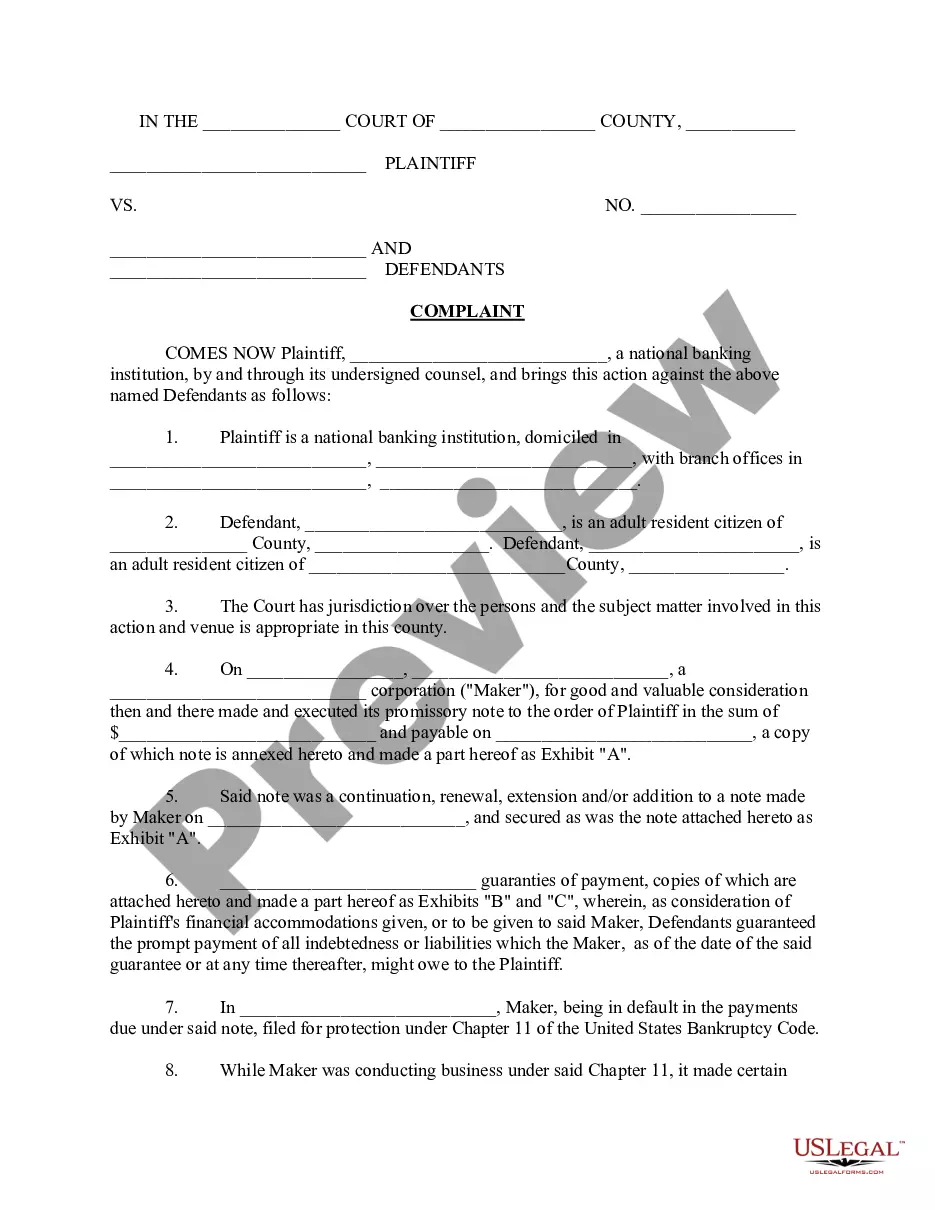
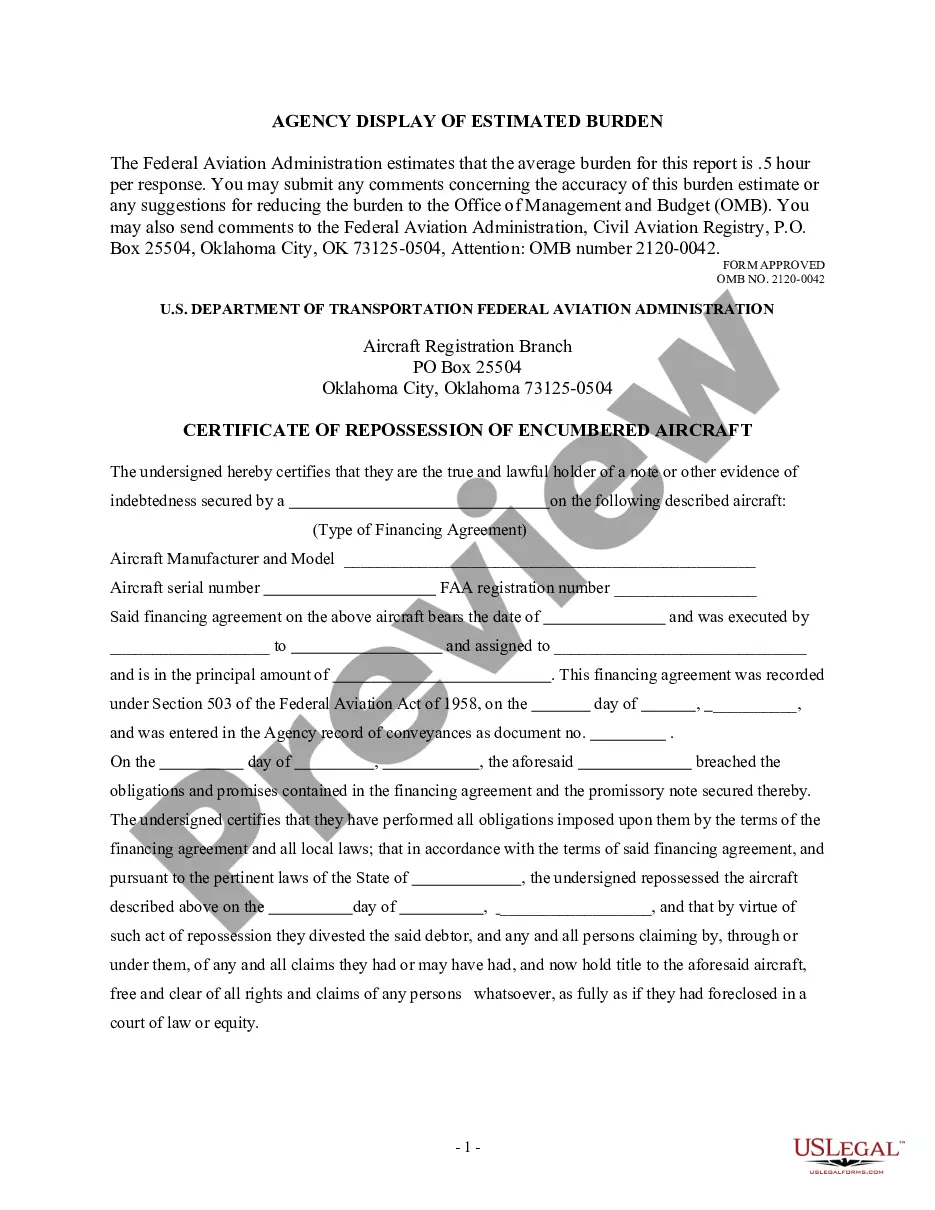
Get your form ready online
Our built-in tools help you complete, sign, share, and store your documents in one place.
Make edits, fill in missing information, and update formatting in US Legal Forms—just like you would in MS Word.
Download a copy, print it, send it by email, or mail it via USPS—whatever works best for your next step.
Sign and collect signatures with our SignNow integration. Send to multiple recipients, set reminders, and more. Go Premium to unlock E-Sign.
If this form requires notarization, complete it online through a secure video call—no need to meet a notary in person or wait for an appointment.
We protect your documents and personal data by following strict security and privacy standards.

Make edits, fill in missing information, and update formatting in US Legal Forms—just like you would in MS Word.

Download a copy, print it, send it by email, or mail it via USPS—whatever works best for your next step.

Sign and collect signatures with our SignNow integration. Send to multiple recipients, set reminders, and more. Go Premium to unlock E-Sign.

If this form requires notarization, complete it online through a secure video call—no need to meet a notary in person or wait for an appointment.

We protect your documents and personal data by following strict security and privacy standards.
Looking for another form?

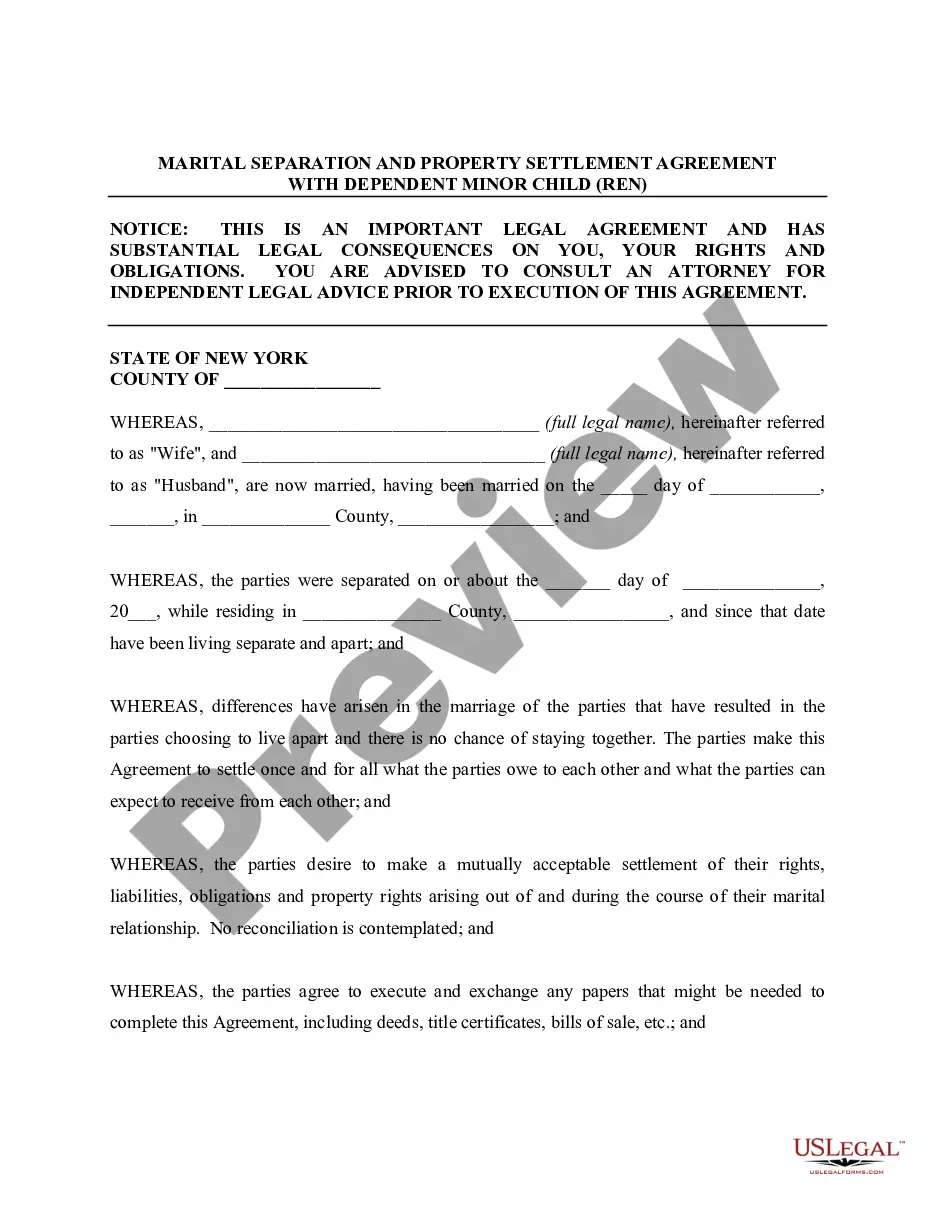

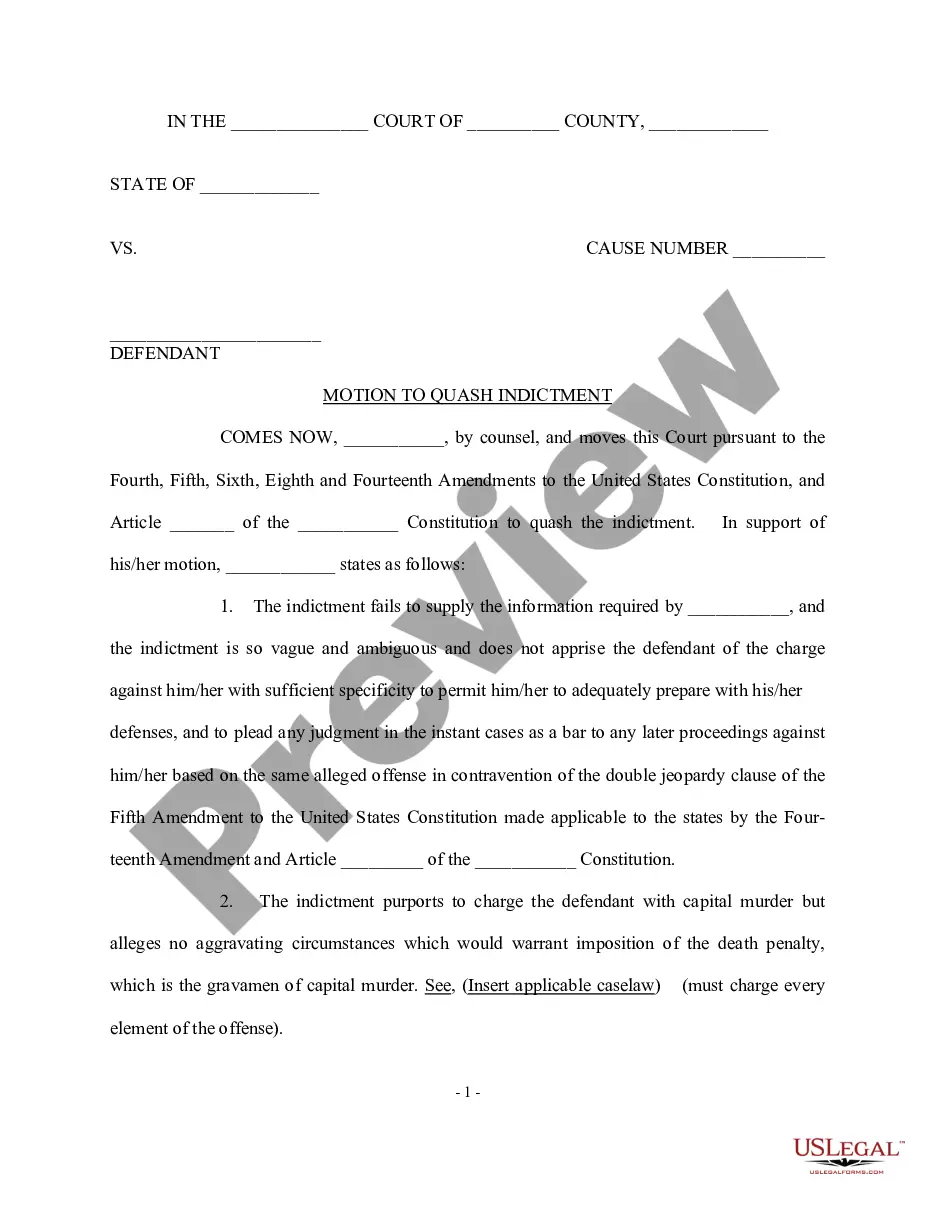

Form popularity
FAQ
The process of starting a replevin action usually begins with filing a complaint. It also requires filing an affidavit in the county or district court where the property is. The affidavit: States that the plaintiff claims rightful ownership or entitlement to possession of the property.
Alternative Legal Actions Other legal remedies may be more appropriate than a replevin action, depending on why the court denied the replevin action. These might include: An action for monetary damages. A claim for trespass to chattels, based on substantial interference with the use of your personal property.
Replevin lay to recover goods still held after a tender of amends. Detinue lay to recover lent goods where the holder refused to return them to the owner. However, the defendant was allowed to exculpate himself by oath, so this action was displaced by that of trover and conversion.
Detinue is an action to recover the wrongful detention of goods or possessions.
Replevin is typically the first step when a plaintiff wants to get the property back from a defendant who wrongfully took it. Detinue is a legal action that is most often utilized when a person has possession of property that they should not have, such as when they default on a loan.
Replevin is an action seeking return of personal property wrongfully taken or held by the defendant. In exchange for the personal property, the plaintiff in the action pledges a security and is allowed to hold the property until the case is resolved by the court.
In Maryland, for most civil actions you have a period of three years after the act which caused you the harm to file a lawsuit. However, by law some types of cases have a different limitation period. For example, the limitation period for assault, libel, or slander is one year.
The District Court of Maryland has exclusive jurisdiction in civil matters of claims involving $5,000 or less. Claims involving amounts above $5,000 and below $25,000 may be filed in the Circuit Court as well as in the District Court.
There are three ways to serve someone: by certified mail, sheriff, and private process. Select how you wish to have the Defendant served by checking the box on your Complaint form.