Foreclosure Letter Format For Home Loan Transfer In Maryland
Description








Get your form ready online
Our built-in tools help you complete, sign, share, and store your documents in one place.
Make edits, fill in missing information, and update formatting in US Legal Forms—just like you would in MS Word.
Download a copy, print it, send it by email, or mail it via USPS—whatever works best for your next step.
Sign and collect signatures with our SignNow integration. Send to multiple recipients, set reminders, and more. Go Premium to unlock E-Sign.
If this form requires notarization, complete it online through a secure video call—no need to meet a notary in person or wait for an appointment.
We protect your documents and personal data by following strict security and privacy standards.

Make edits, fill in missing information, and update formatting in US Legal Forms—just like you would in MS Word.

Download a copy, print it, send it by email, or mail it via USPS—whatever works best for your next step.

Sign and collect signatures with our SignNow integration. Send to multiple recipients, set reminders, and more. Go Premium to unlock E-Sign.

If this form requires notarization, complete it online through a secure video call—no need to meet a notary in person or wait for an appointment.

We protect your documents and personal data by following strict security and privacy standards.
Looking for another form?
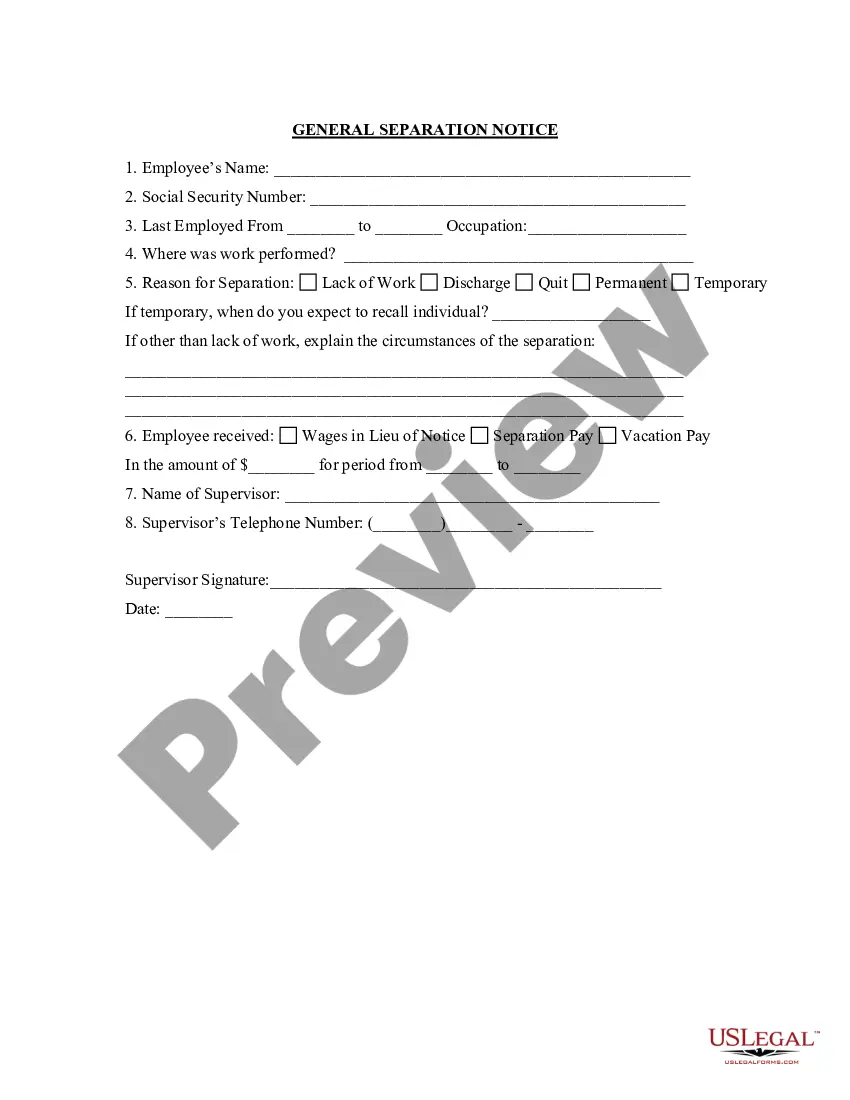





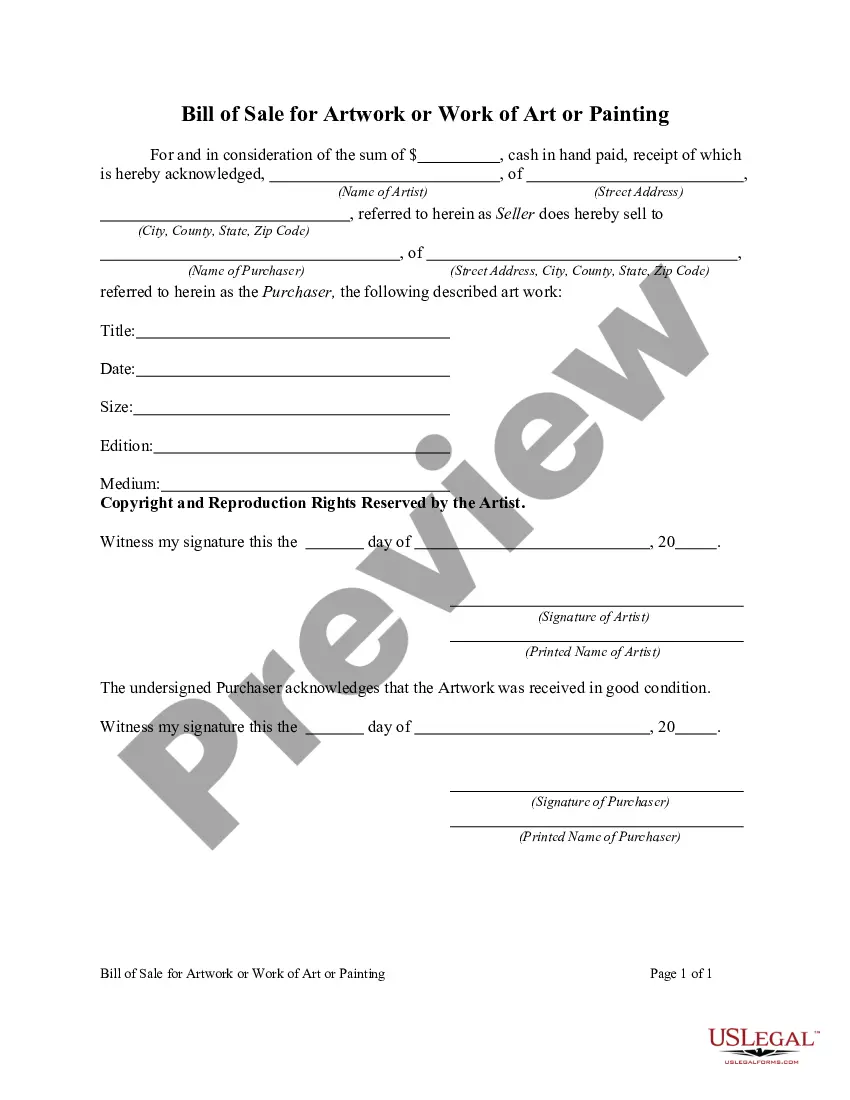


Form popularity
FAQ
Foreclosure Transfer means the transfer of title to all or any part of the Property at a foreclosure sale under the Mortgage, either pursuant to judicial decree or the power of sale contained in the Mortgage, or by deed in lieu of such foreclosure.
Key takeaways Foreclosed homes may be a great investment for buyers because they are often sold at below market value. Homes sold in as-is condition, however, may be better-suited for buyers who have the time, budget and flexibility to take on unexpected repairs.
A Notice of Intention to Foreclose is your lender telling you that they are planning to foreclose on your property because you are behind on your mortgage payments.
The new law does not disturb New York's six-year statute of limitations on mortgage foreclosure actions. It simply restores a common-sense principle: no party may unilaterally stop and restart the statute of limitations to revive what would otherwise be a time-barred action.
What to include in a hardship letter The date, your name, address and phone number. The lender/servicer and loan number. The date or approximate time frame when the hardship started. The expected timeframe of hardship — short term (six months or less) or long term. Describe your goal. State the facts, not emotions.
Follow these simple steps to foreclose your home loan Inform the lender. Lenders have hundreds of loans running simultaneously. Get all the paperwork in order. Assessment of payments. Get a NOC. Remove Lien on the property. Retrieve security cheques. Get a New Encumbrance Certificate (EC) ... Retrieve the documents.
While the content of the letter will change depending on your situation, there are a few important aspects to include: Provide all details the best you can, including correct dates and dollar amounts. Explain how and when all situations were resolved. Detail why problems won't happen again.
Under the existing rule, if a loan is more than 120 days delinquent and the borrower has yet to submit a complete loss mitigation application, a servicer may foreclose on borrower property while the borrower participates in the loss mitigation review process, a practice known as "dual tracking." The proposed rule ...
Challenge the sale of your home by filing exceptions with the court within 30 days of the sale. Exceptions are limited to problems in how the home was sold. If you would like to consider exceptions, talk to a lawyer. The court must approve the sale.
