Verified Complaint Form Document Format In Maricopa
Description








Get your form ready online
Our built-in tools help you complete, sign, share, and store your documents in one place.
Make edits, fill in missing information, and update formatting in US Legal Forms—just like you would in MS Word.
Download a copy, print it, send it by email, or mail it via USPS—whatever works best for your next step.
Sign and collect signatures with our SignNow integration. Send to multiple recipients, set reminders, and more. Go Premium to unlock E-Sign.
If this form requires notarization, complete it online through a secure video call—no need to meet a notary in person or wait for an appointment.
We protect your documents and personal data by following strict security and privacy standards.

Make edits, fill in missing information, and update formatting in US Legal Forms—just like you would in MS Word.

Download a copy, print it, send it by email, or mail it via USPS—whatever works best for your next step.

Sign and collect signatures with our SignNow integration. Send to multiple recipients, set reminders, and more. Go Premium to unlock E-Sign.

If this form requires notarization, complete it online through a secure video call—no need to meet a notary in person or wait for an appointment.

We protect your documents and personal data by following strict security and privacy standards.
Looking for another form?

Form popularity
FAQ
Typically, a plaintiff verifies a complaint by attaching a page at the end containing a statement made under oath that: The plaintiff has reviewed the complaint. The plaintiff knows or believes that all allegations that the plaintiff has personal knowledge of to be true.
Tips for writing a successful complaint letter the subject of your complaint. your original expectation about the subject. what went wrong. details of any attempts by the other party to put right the problem, and why they did not work. why the fault or error or action affects you so greatly. what compensation you seek.
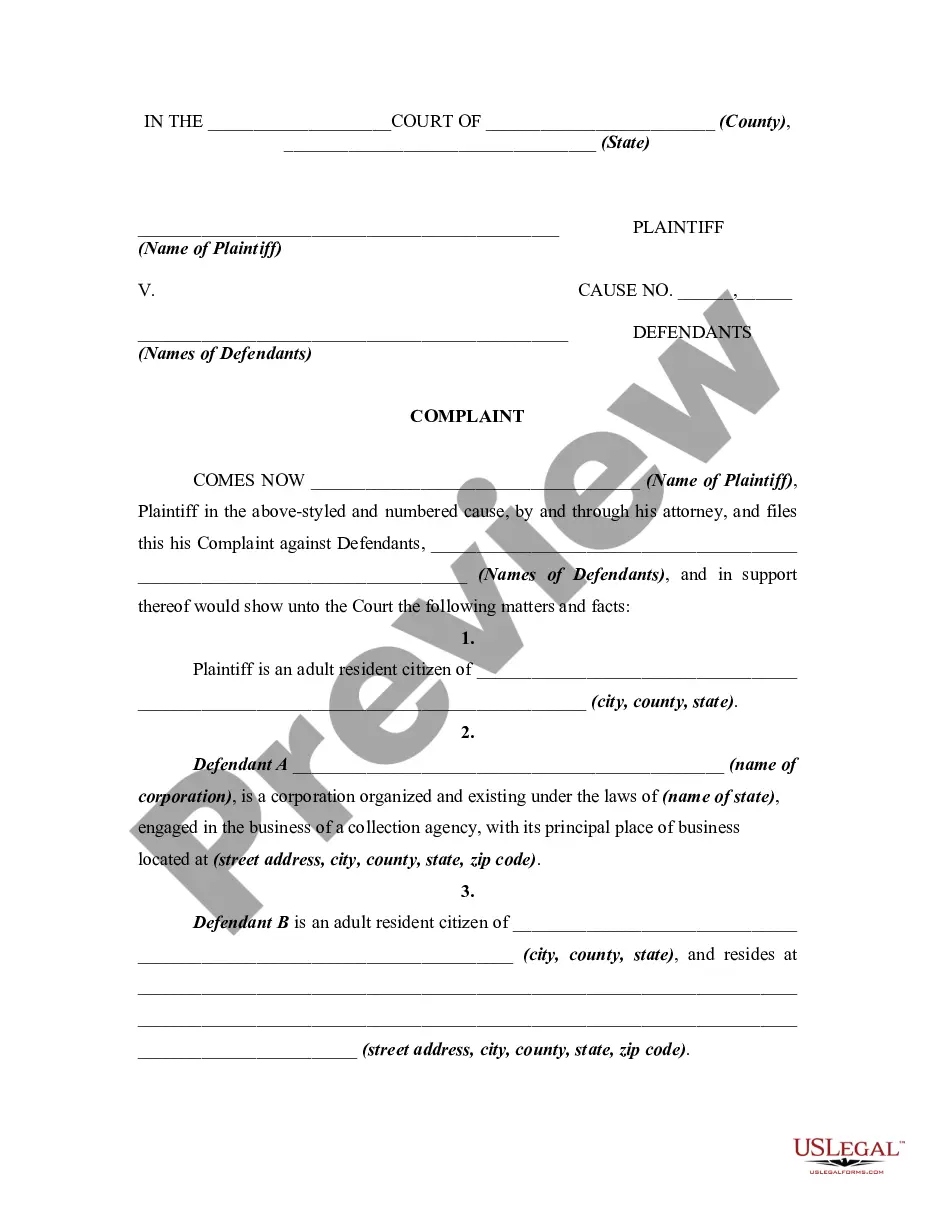
It starts by identifying the parties involved (and thereby establishing why the court has jurisdiction) and proceeds to lay out the facts upon which the cause of action is based. Once the story of the facts are told, the complaint must explain why the elements of the cause of action are met by the facts.
A civil action filed in a limited jurisdiction court is a claim against another party for damages of an amount up to $10,000.00. These lawsuits are designed to resolve civil disputes before a justice of the peace. Parties in a civil lawsuit may be represented by attorneys and appeal their case to a higher court.
It starts by identifying the parties involved (and thereby establishing why the court has jurisdiction) and proceeds to lay out the facts upon which the cause of action is based. Once the story of the facts are told, the complaint must explain why the elements of the cause of action are met by the facts.
A caption identifying the plaintiff and defendant, and the court in which the complaint is being filed. A brief description of the parties (e.g., their name and address). Allegations demonstrating that the court has subject matter jurisdiction, personal jurisdiction, and venue to adjudicate the claims in the complaint.
My complaint is that list what you think went wrong or wasn't done properly. Be as clear as you can. It can help to make it short and to the point. This situation has caused me describe the impact this issue has had on you, your family or others who have been affected by the problem.
A caption identifying the plaintiff and defendant, and the court in which the complaint is being filed. A brief description of the parties (e.g., their name and address). Allegations demonstrating that the court has subject matter jurisdiction, personal jurisdiction, and venue to adjudicate the claims in the complaint.
SECTION 446 When the complaint is verified, the answer shall be verified.
